Citizen Eco-Drive: 50 Years of Light
Since 1976, Citizen has powered watches with light. To mark 50 years of Eco-Drive, it unveils two striking PHOTON limited editions.
In 1976, Citizen changed watchmaking by unveiling the world’s first light-powered analogue watch. Fifty years on, that innovation has become one of the Japanese manufacture’s most iconic signatures. To celebrate the anniversary, Citizen looks back on half a century of technological progress and presents two Eco-Drive PHOTON limited editions in which light is as much a source of energy as a genuine aesthetic inspiration.
On this page
A watch that runs on sunlight or the glow of an ordinary lamp: today the idea seems almost self-evident. Fifty years ago, however, it marked a real break in watchmaking history. At a time when quartz watches were starting to win people over with their precision, Citizen was already imagining how to free them from one of their main drawbacks: regular battery changes. That visionary approach gave rise to a technology now found everywhere, yet the distance it has travelled is often hard to appreciate.
In 2026, then, Citizen is celebrating far more than the anniversary of a movement. The Japanese manufacture is paying tribute to a philosophy of innovation that, for half a century, has meant pushing the limits of technology to improve our relationship with time. To mark the occasion, it has made light itself the star of two particularly original creations: the Eco-Drive PHOTON.
1976: when Citizen put light to work for time
To grasp the significance of this anniversary, we need to go back to the early 1970s. The world was then going through a major energy crisis, triggered in particular by the first oil shock of 1973. The search for new energy sources became a global concern, especially in Japan, whose reliance on energy imports spurred scientific and industrial initiatives. It was against this backdrop that Citizen’s engineers turned their attention to a resource available almost everywhere and, until then, barely used in watchmaking: light.
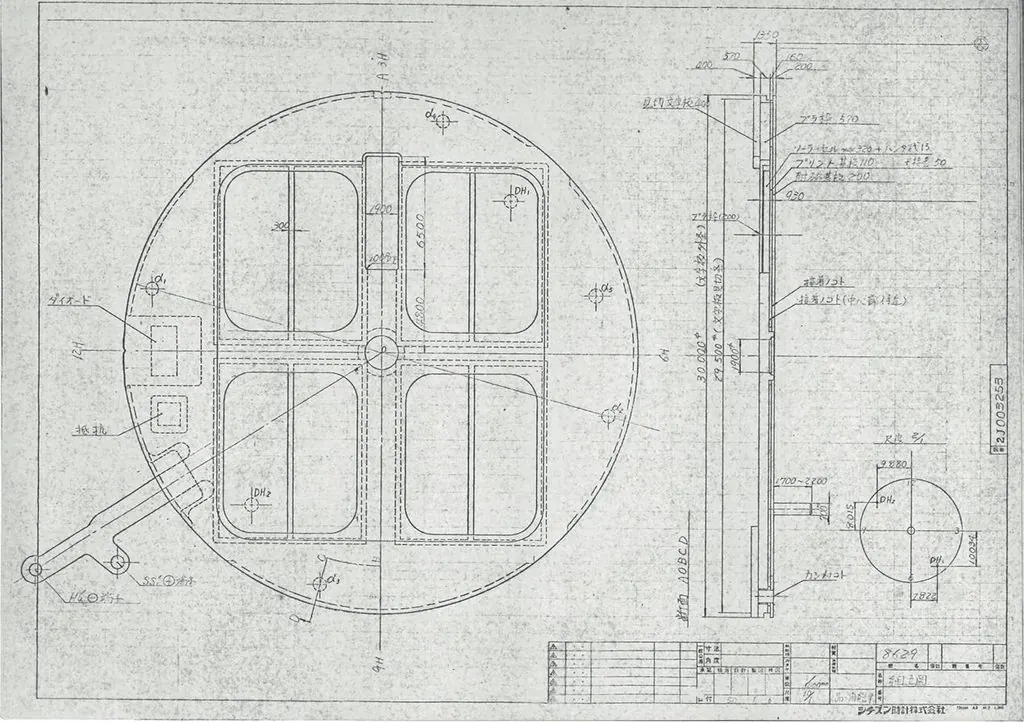
The idea sounds simple, but turning it into reality was a real challenge. The goal was to develop a watch able to convert light into electricity, then store it so the movement would keep running even in the dark. A first prototype appeared as early as 1974, fitted with five solar cells arranged around the dial. Still experimental and too expensive to sell, it nonetheless proved the concept was viable and paved the way for a new generation of timepieces.
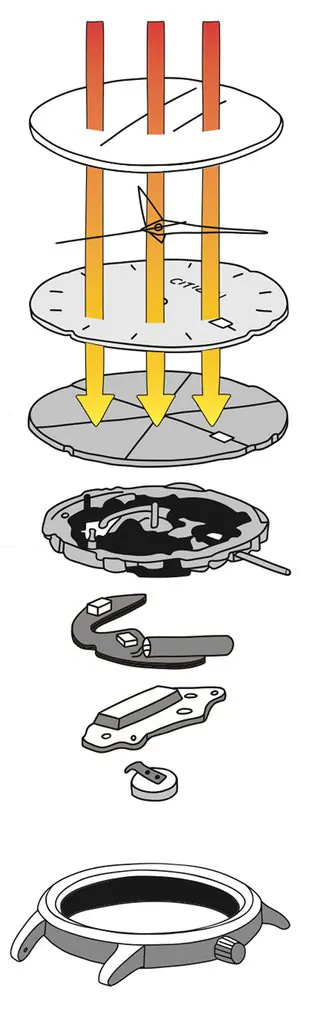
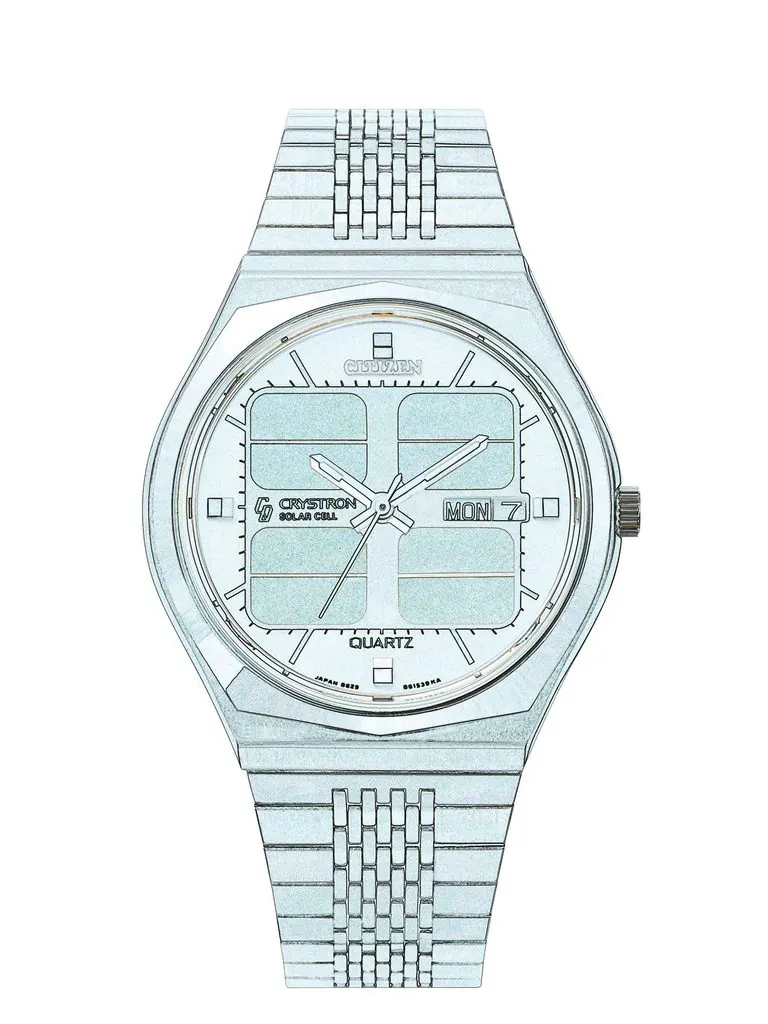
Two more years of research allowed Citizen to present the Crystron Solar Cell in 1976, the world’s first light-powered analogue watch. With its eight photovoltaic cells clearly visible on the dial, it proudly displayed its difference. Back then, there was no question of hiding the technology: it was precisely the main selling point of a watch with a resolutely futuristic design. A new chapter in watchmaking history had begun, even though the Eco-Drive name would only appear many years later.
Eco-Drive: technology serving creative freedom
Citizen’s real achievement does not lie solely in this world first. Above all, it lies in its ability to keep refining a technology whose potential was still largely untapped. Over the decades, photovoltaic cells became more efficient, electronic circuits consumed less power, and rechargeable cells delivered ever greater autonomy. In 1986, Citizen presented a solar watch able to run for more than eight days without any light, a considerable feat for the time.
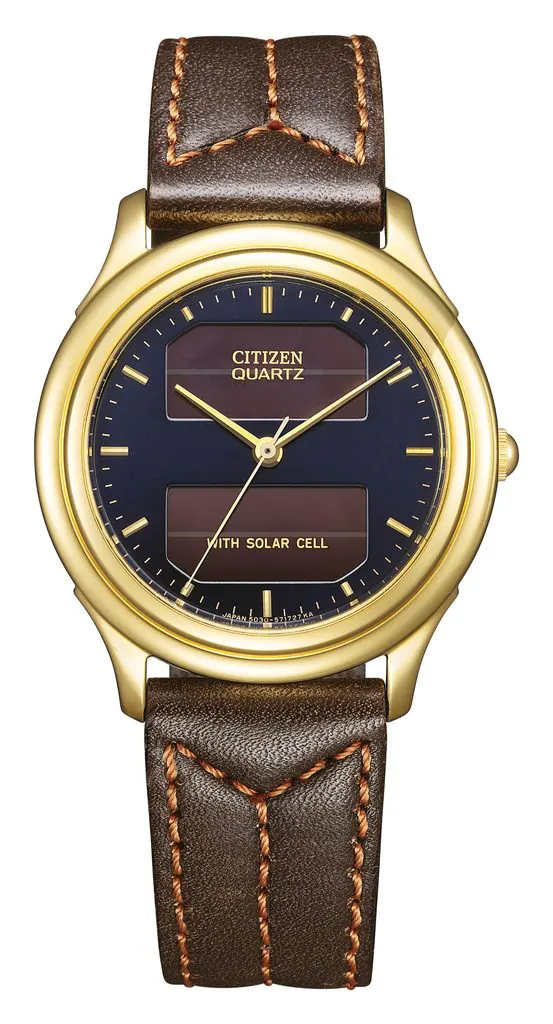
The mid-1990s marked another decisive step with the rise of Eco-Drive technology. Engineers managed to hide the photovoltaic cell beneath the dial, opening up new aesthetic possibilities. Watches no longer had to display their solar system conspicuously. This development, together with a power reserve of up to six months after a full charge, helped turn a technical innovation into a genuine watchmaking proposition for a wide audience.
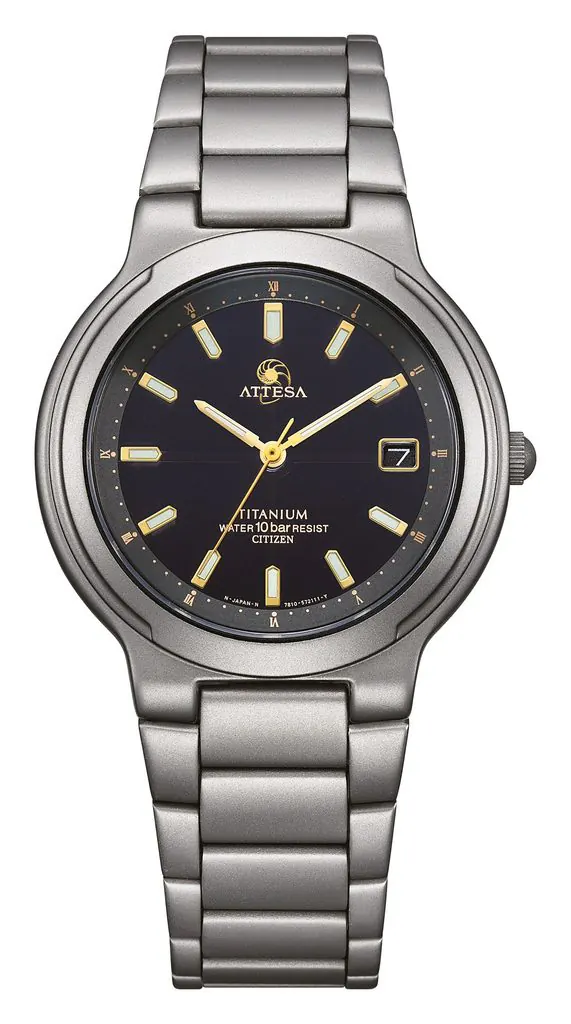
This search for balance between performance and aesthetics gradually became one of Citizen’s great strengths. Its engineers developed different solar cell architectures, some placed beneath translucent dials, others arranged around the periphery or designed to allow materials previously incompatible with the technology. The manufacture thus explored new creative avenues, from mother-of-pearl dials to pieces using Japanese washi paper, along with structural colour effects.
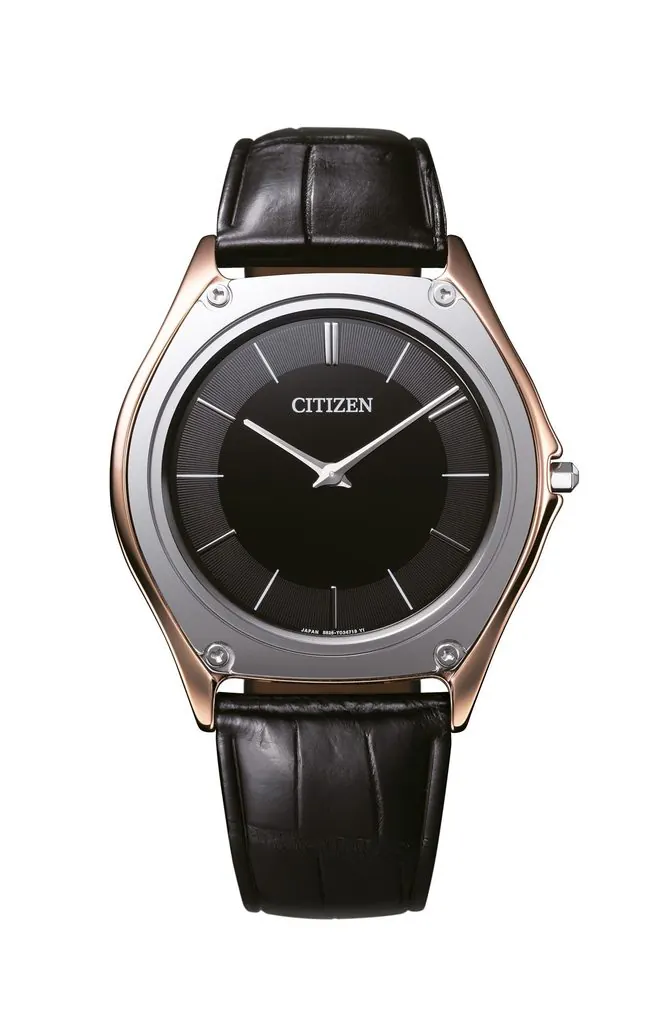
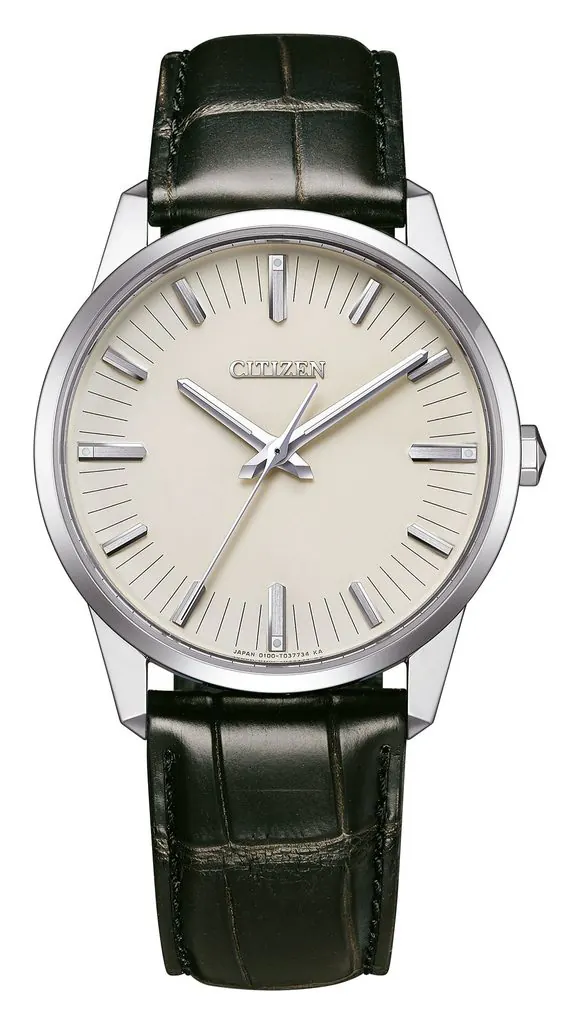
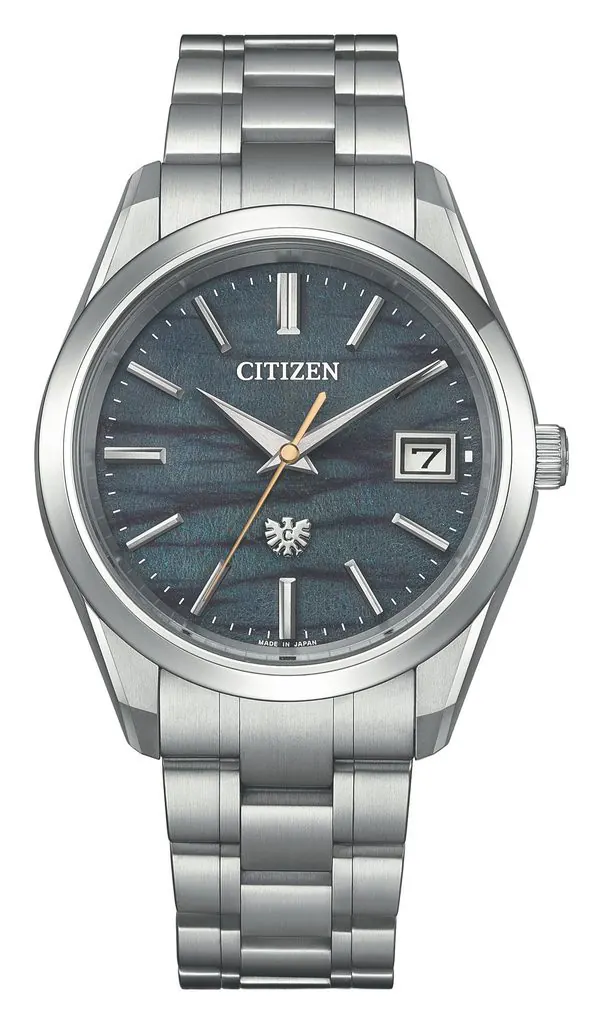
The pursuit of performance naturally went hand in hand with this evolution. In 2016, Citizen presented the Eco-Drive One, fitted with a movement just one millimetre thick. Three years later, calibre 0100 achieved a remarkable accuracy of ± 1 second per year, without any external synchronisation. In 2023, the Eco-Drive 365 went a step further, with a power reserve of up to a full year in darkness after a complete charge. Behind these achievements lies the same ambition: to use ever less energy while offering watches that are ever more accurate, autonomous and comfortable to wear.
Eco-Drive PHOTON: a celebration inspired by science
For its fiftieth anniversary, Citizen could simply have reinterpreted its historic 1976 model. Instead, the Japanese manufacture chose a bolder direction, with a creation that combines scientific research, technical innovation and contemporary design. With the Eco-Drive PHOTON, light is no longer just an invisible source of energy, but the true aesthetic subject of the watch.
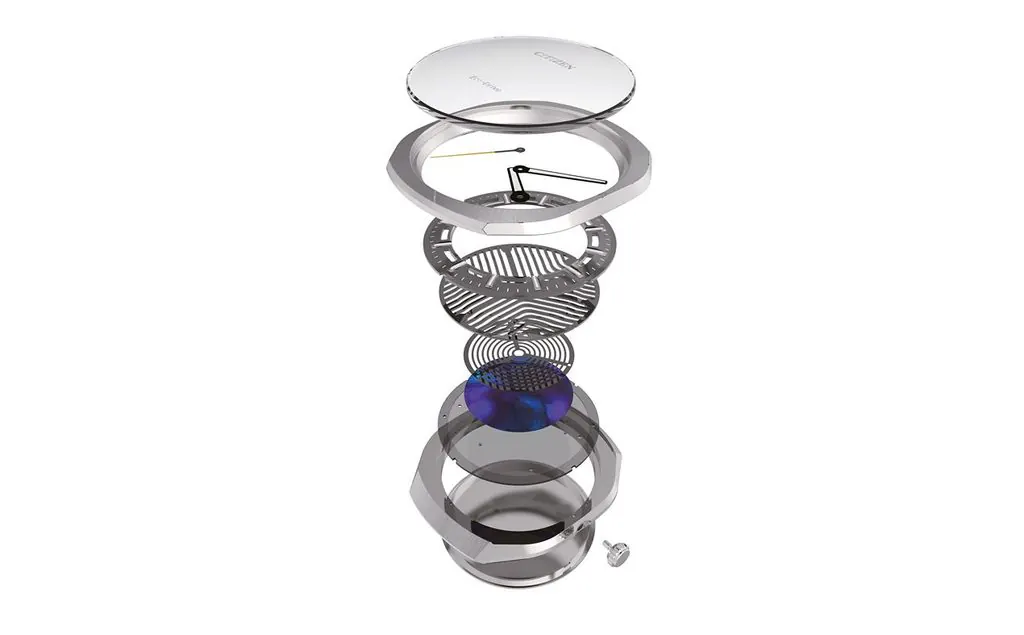
The project was entrusted to designer Shota Mimura, who focused on a fundamental question: how do you make visible the very light that powers the movement? To answer it, he looked to the history of physics, and more specifically to Young’s famous double-slit experiment. Carried out in the early 19th century by British scientist Thomas Young, it revealed the wave nature of light through the observation of interference patterns. This work, extended the following century by the development of quantum physics, shaped the aesthetic thinking behind PHOTON, whose name refers directly to the quantum of energy associated with light.
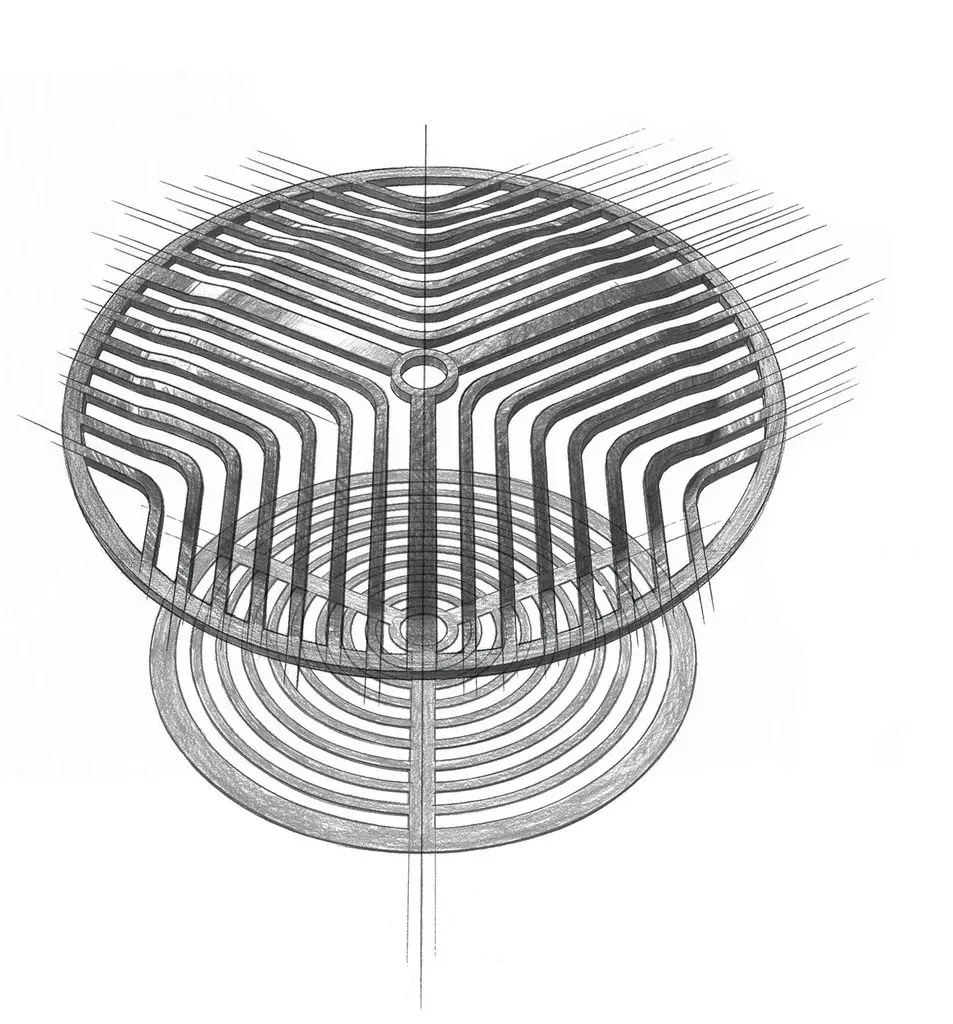
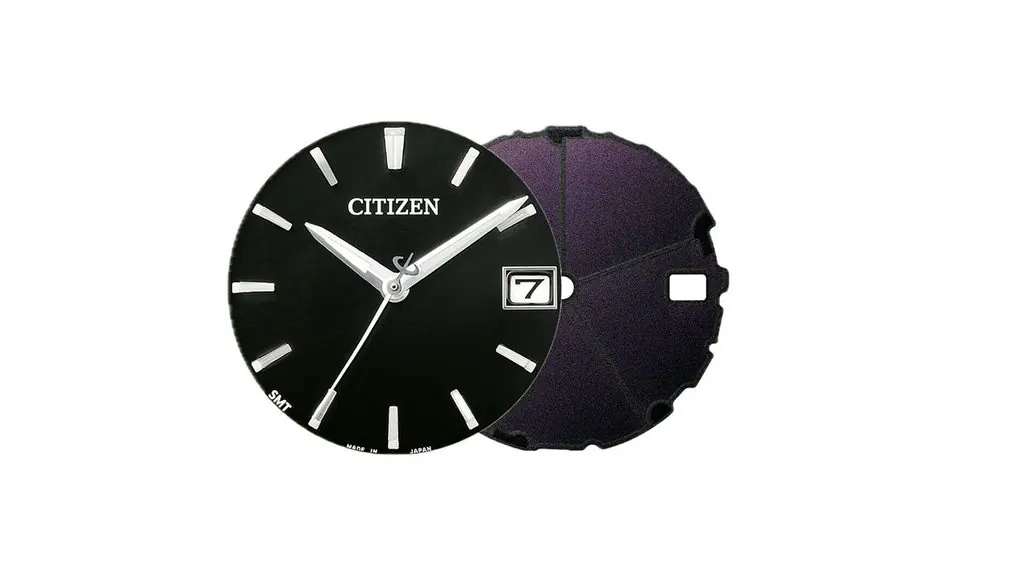
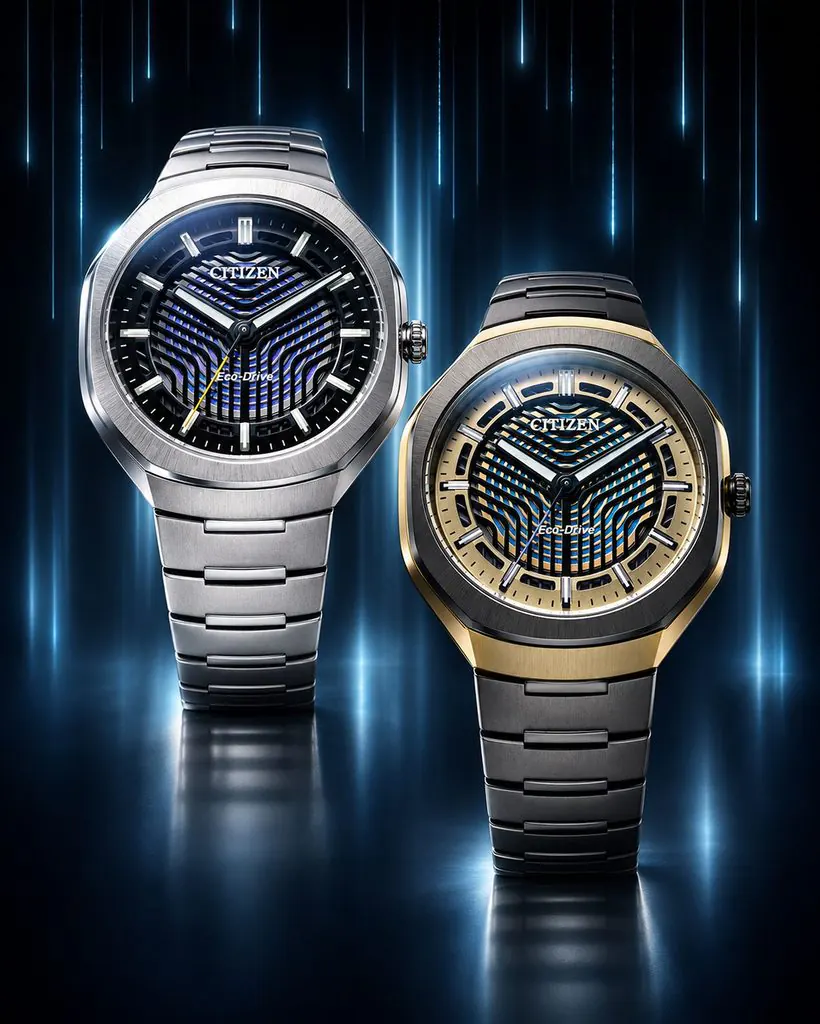
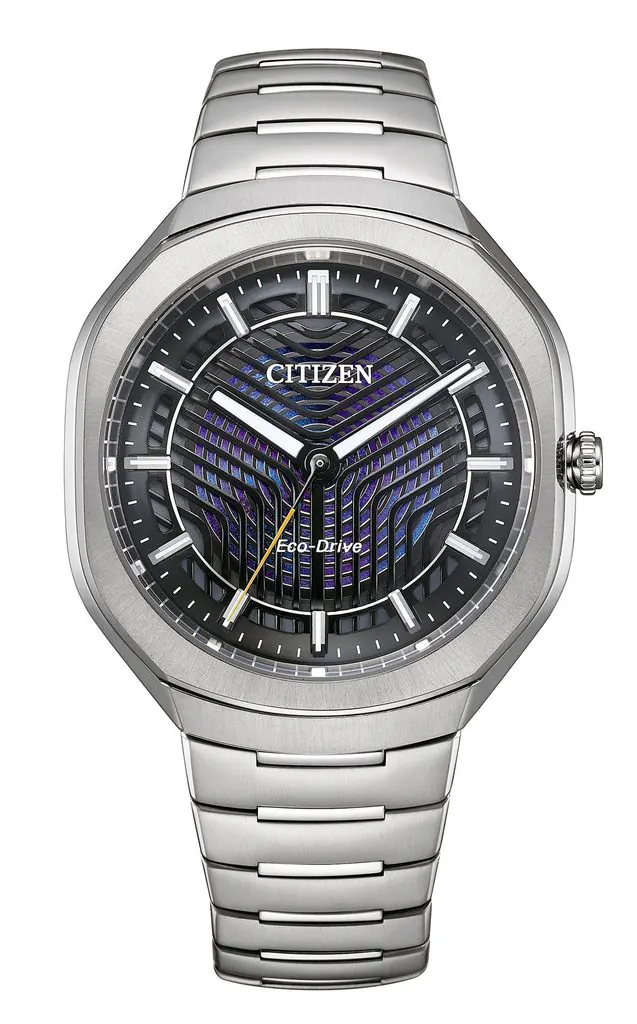
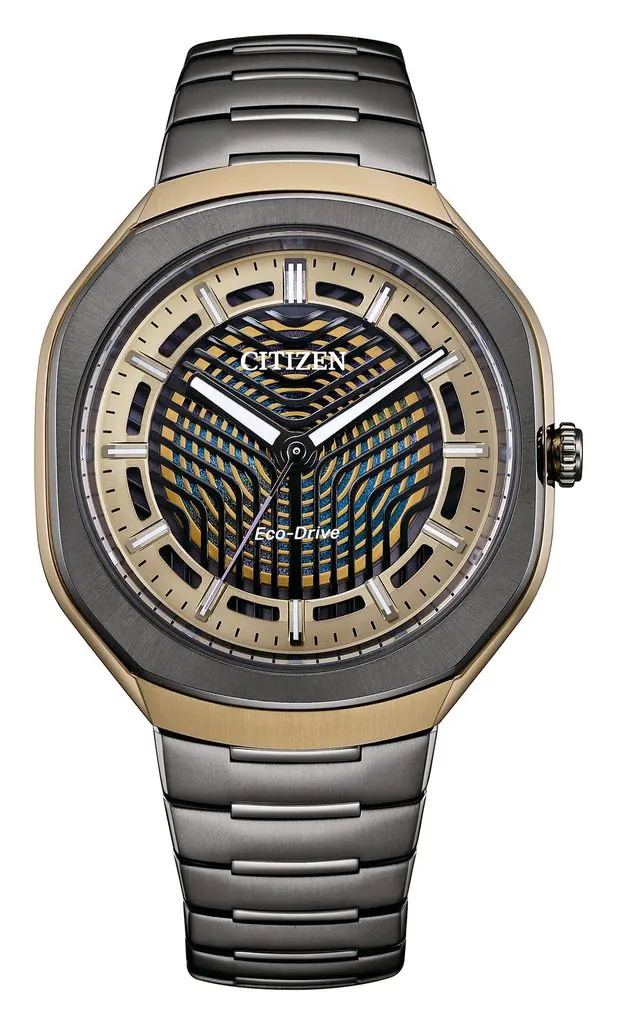
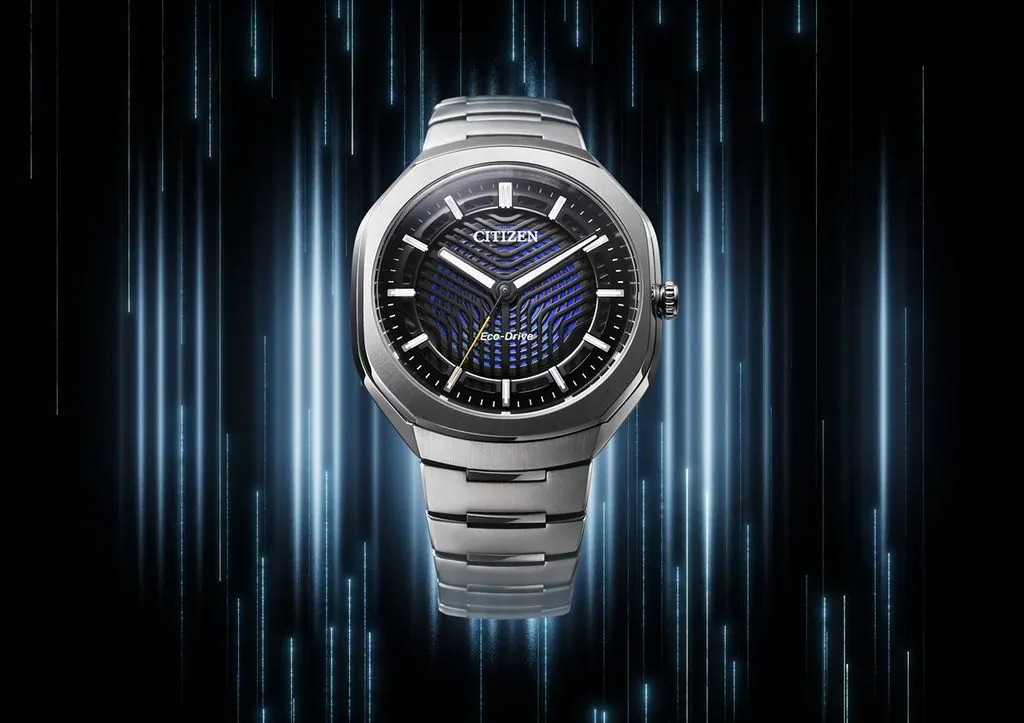
The dial is unquestionably the most remarkable element of this creation. Citizen has introduced a particularly original three-dimensional construction, called the « Double Slit Concept ». Two stacked metal discs feature openings that trace wave-like patterns. Together they produce a striking sense of depth, evoking the interference fringes seen in scientific experiments on light. A thin coloured film, placed between the discs and the solar cell, enriches the whole by creating colour variations depending on the viewing angle. The dial thus reveals shifting hues, moving between bluish, purplish and iridescent tones, as if the watch were subtly changing its appearance with every movement.
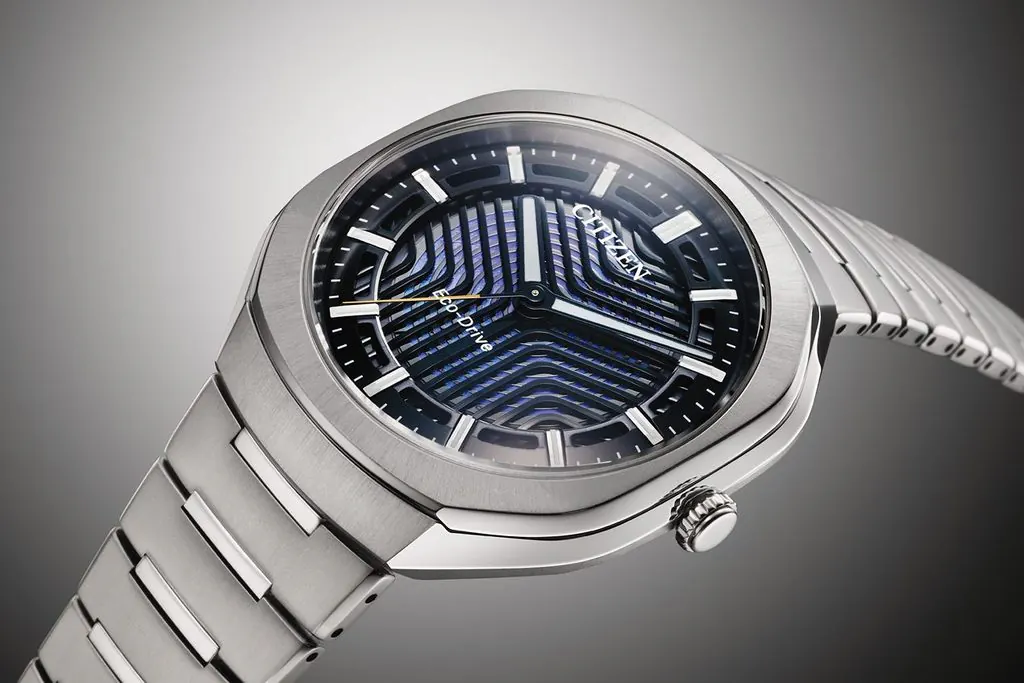
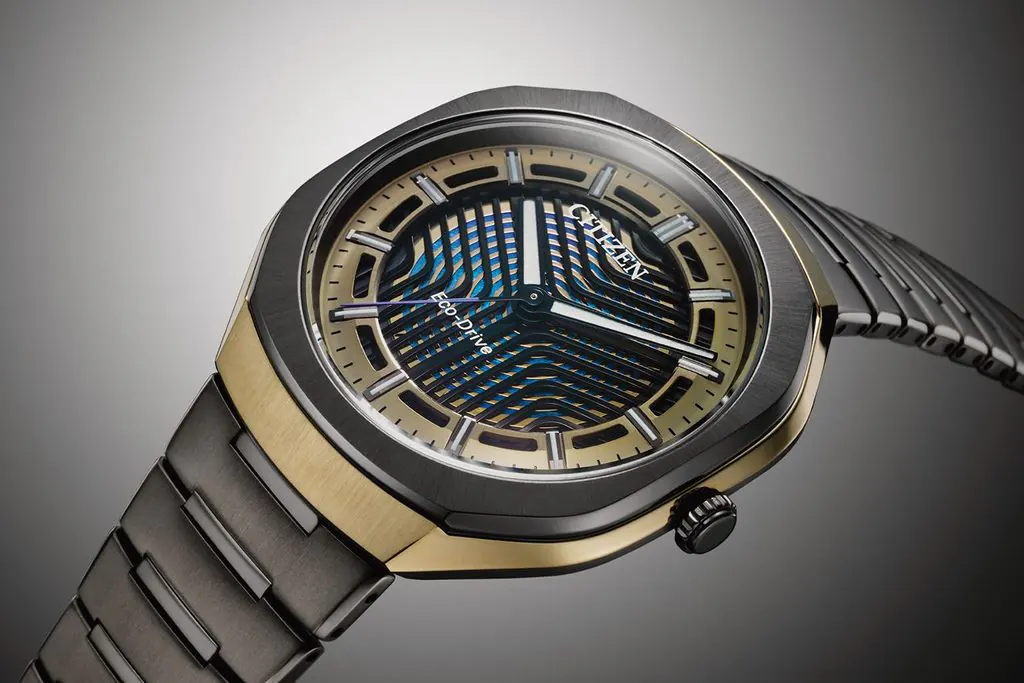
Beyond its aesthetic originality, this architecture is also a real technical challenge. Unlike the translucent dials usually found on Eco-Drive watches, metal discs do not naturally let light through. The engineers therefore had to design a structure open enough for light to reach the photovoltaic cell, while preserving the rigidity and visual quality of the whole. A particularly interesting exercise, showing how a technical constraint can become the starting point for creative innovation.
Calibre E036, at the heart of two limited editions
To power these new creations, Citizen developed calibre E036, a latest-generation light-powered quartz movement. Its distinctive feature is its ability to run on small amounts of light while offering a large energy reserve. Once fully charged, the watch can run for about a year in darkness, a particularly welcome performance for everyday wear. Like other Eco-Drive movements, it uses energy generated by a photovoltaic cell and stored in a rechargeable cell, avoiding regular replacement of disposable batteries. Its stated accuracy is ± 15 seconds per month.
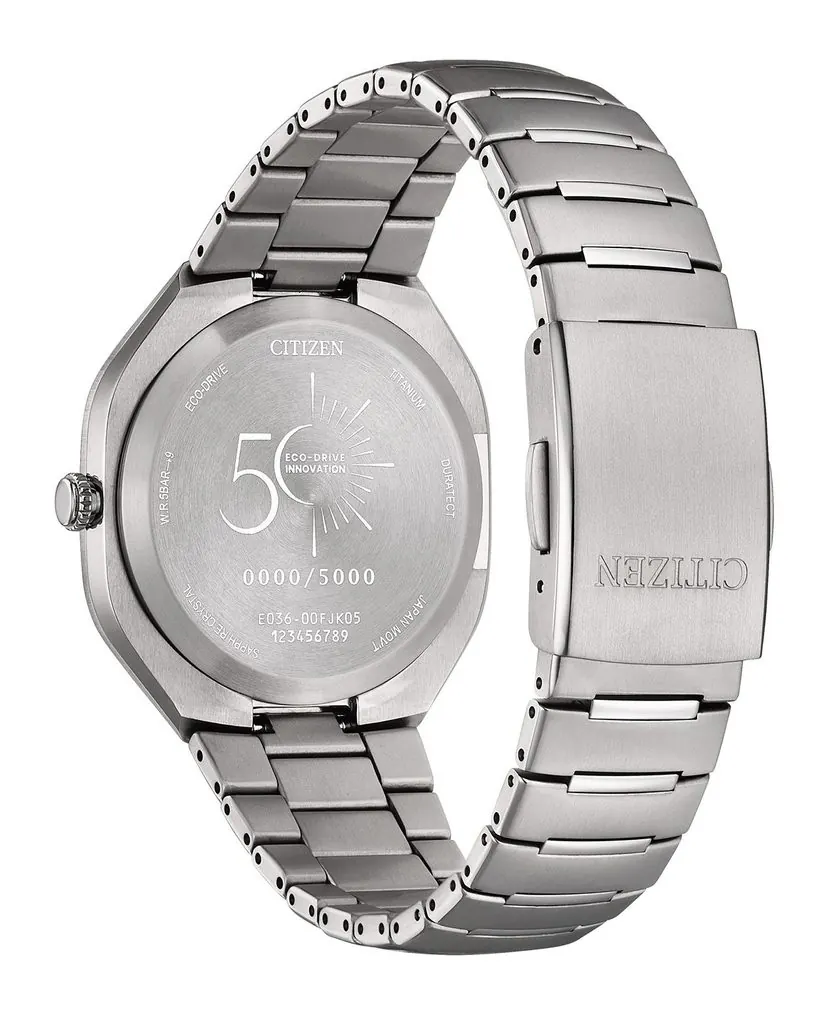
This energy efficiency also gave the designers greater freedom in creating the hands and the dial architecture. The result comes in two versions of the Eco-Drive PHOTON, which share the same construction but show noticeably different personalities.
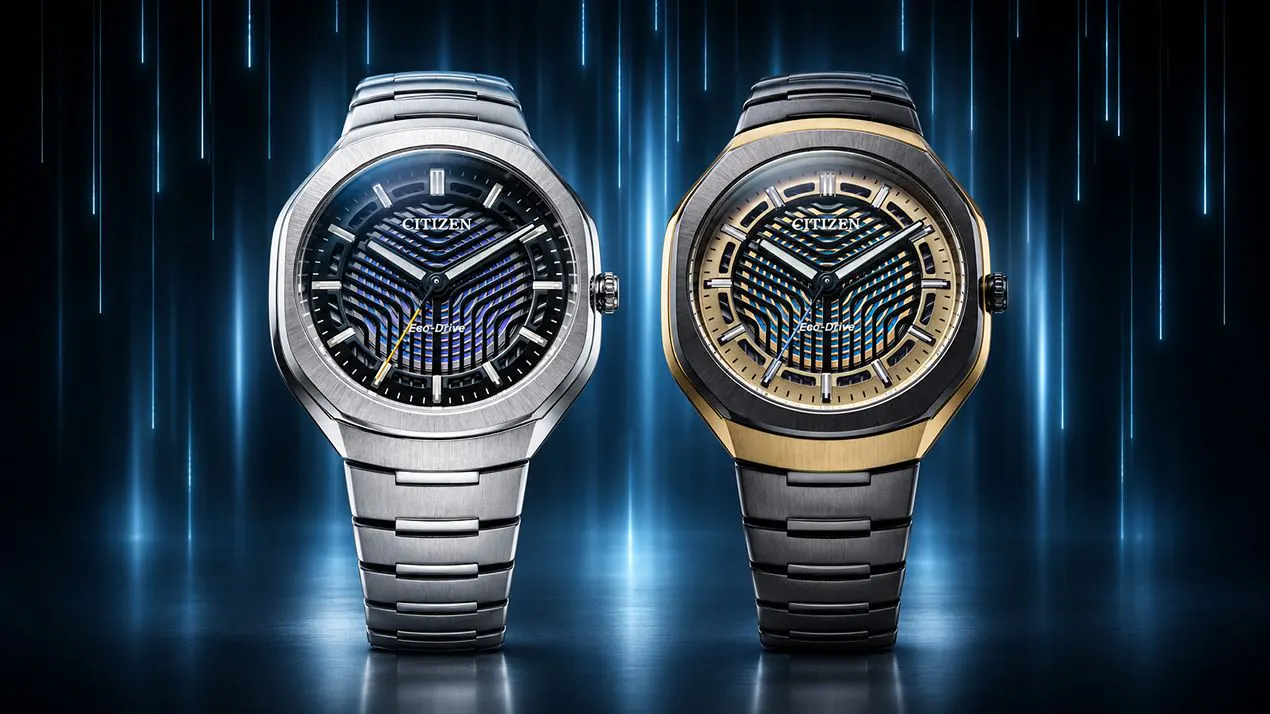
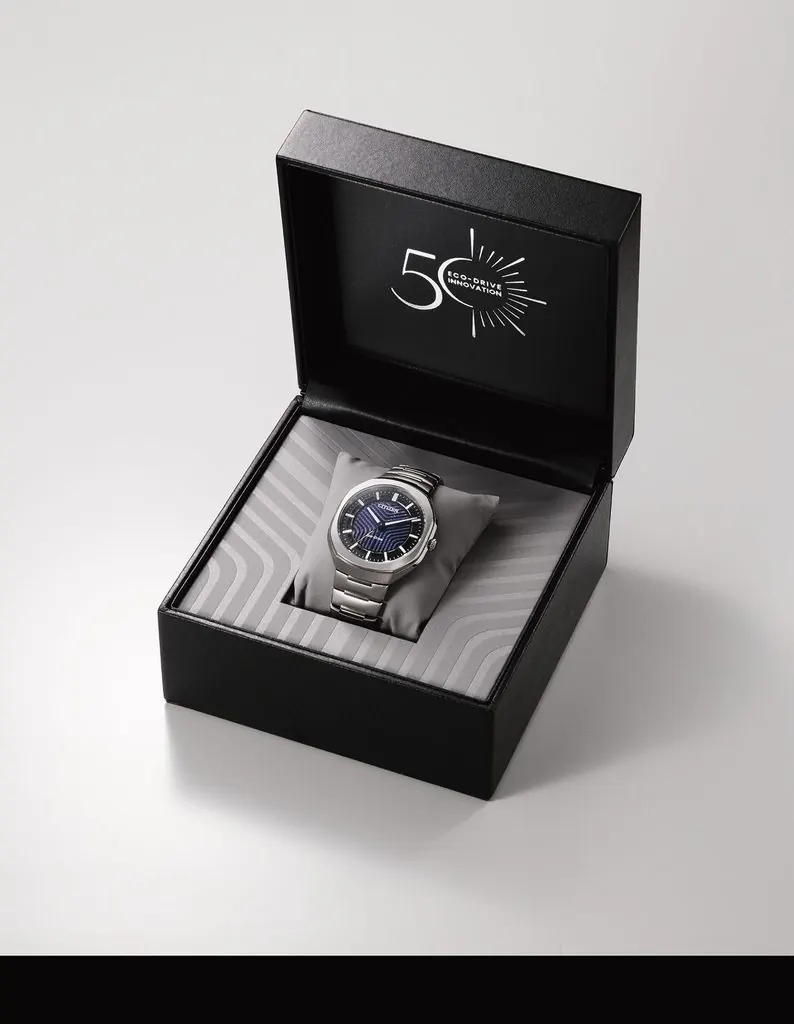
The first, reference BJ6560-53W, favours a bright, contemporary look. Its Super Titanium case and bracelet have a silver finish, paired with a dial whose blue and violet reflections create a particularly successful contrast. A yellow seconds hand adds a dynamic touch to an ensemble dominated by cool tones. Priced at 895 euros, this version has an allocation of 150 pieces for the French market.
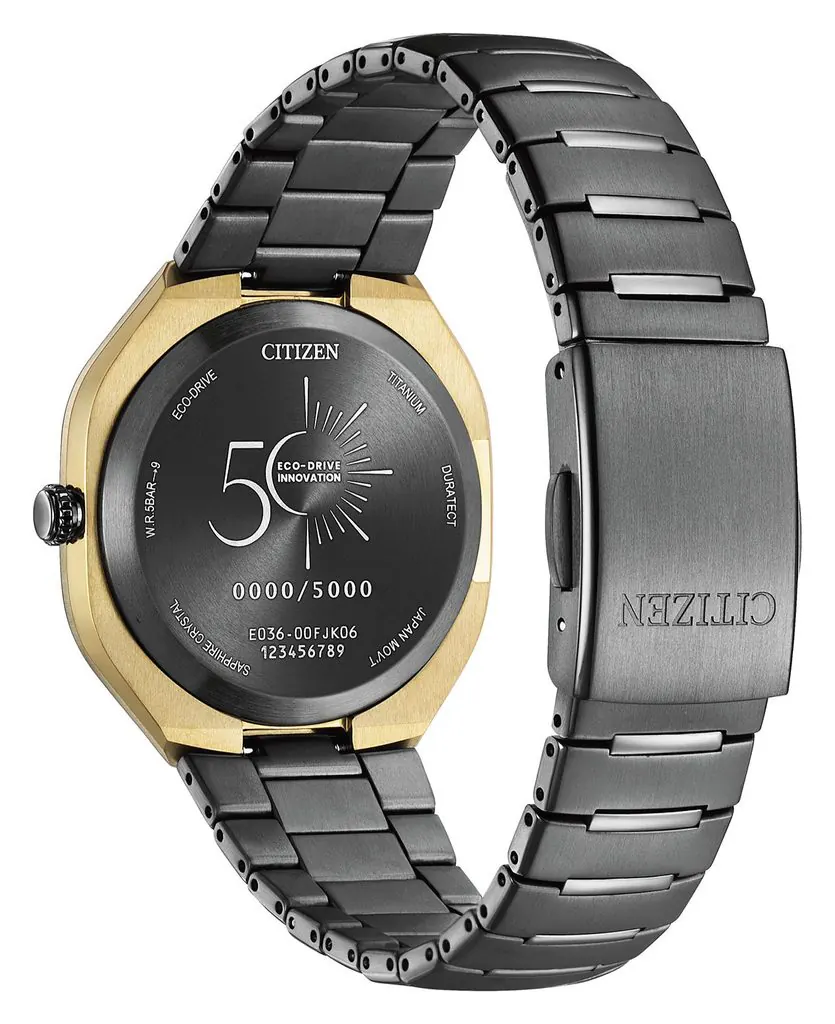
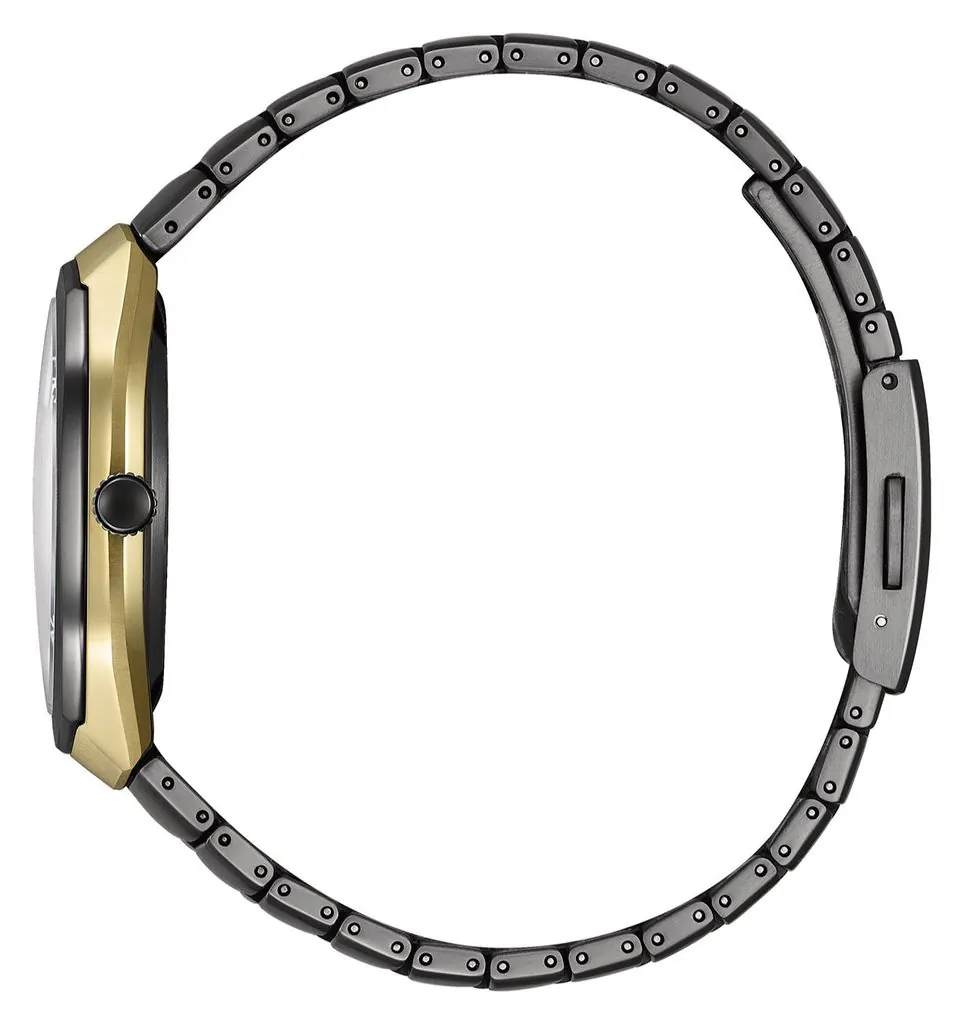
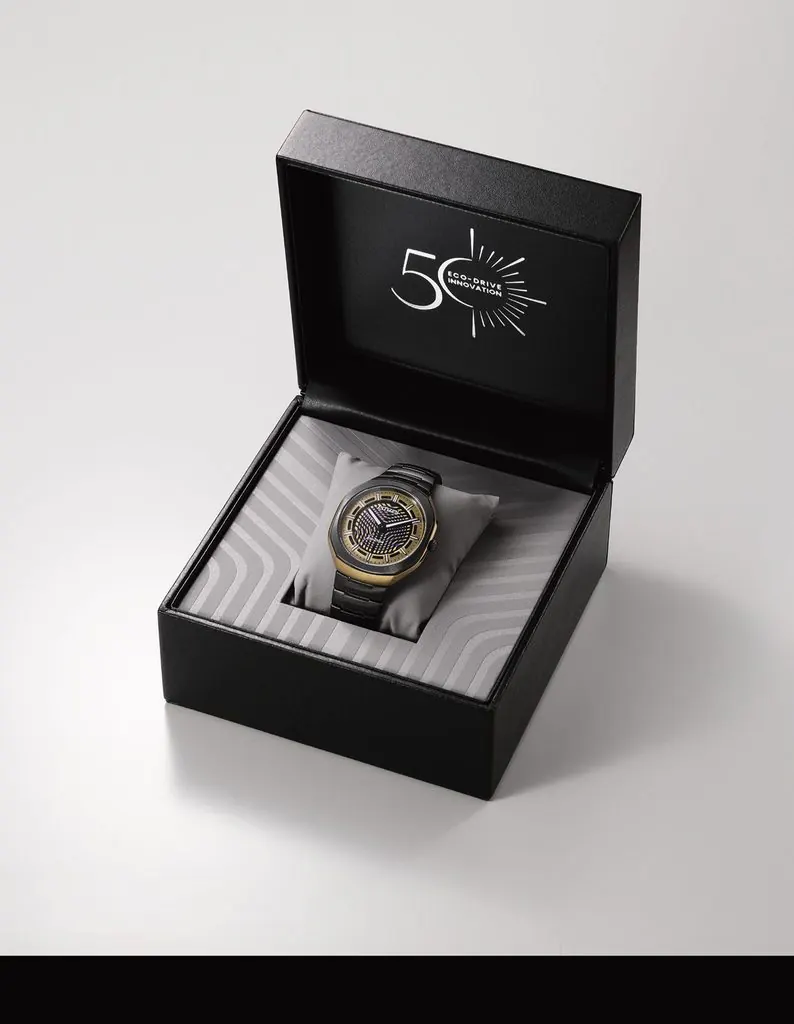
The second version, reference BJ6569-59X, has a bolder personality. Its exterior combines dark surfaces with golden accents, while the contrast between black, gold and the shifting colours of the dial reinforces its futuristic character. Priced at 995 euros, it also stands out for its rarity on the French market, with just 30 pieces allocated. Both references are part of limited editions of 5,000 pieces each worldwide.
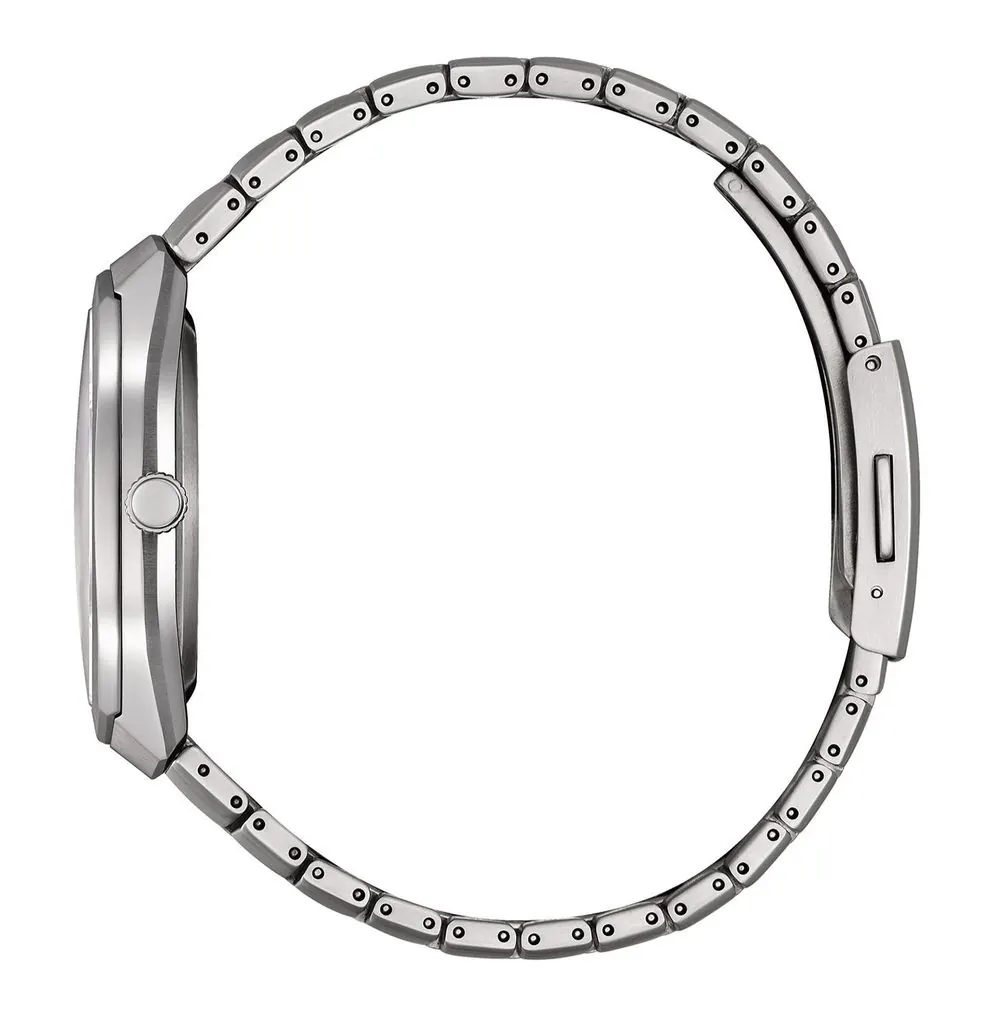
Beyond their aesthetic differences, both PHOTON models benefit from particularly careful work on the case and bracelet. Citizen chose its signature material, Super Titanium, which combines the lightness of titanium with surface treatments designed to improve scratch resistance. The case has a silhouette with subtly softened angles, its lines flowing naturally into those of the integrated bracelet. With a diameter of 39.6 mm and a thickness of just 9.9 mm, the proportions remain well balanced for a contemporary watch with such a strong personality. A sapphire crystal, luminescent hands and indices and 5 bar water resistance round out the specifications of these two creations, launched in October 2026.
Half a century of innovation, and still the same ambition
Fifty years after unveiling the Crystron Solar Cell, Citizen shows that watchmaking innovation is not just about new mechanical complications. Electronic watchmaking has its own great moments, technical challenges, inventions and landmark achievements. With Eco-Drive, the Japanese manufacture has profoundly changed the way we think about powering a watch, developing a technology that combines accuracy, autonomy and ease of use. It is also an approach that aims to limit the replacement of disposable batteries, a concern already present at the project’s origins in the 1970s.
With the new PHOTON, Citizen adds another dimension to this heritage, making its technology not merely a functional element but the true subject of its watchmaking creation. Fifty years ago, the first solar cells sat conspicuously on the dial. Engineers then spent decades making them disappear in favour of greater aesthetic freedom. Today, the manufacture chooses to celebrate light passing through the dial, with an architecture whose play of colour and depth becomes a signature in its own right.
A fine reminder that watchmaking history is also written by those who dare to take a different path. And that, after half a century of innovation, Citizen is clearly not done making light a source of inspiration.
The Citizen Eco-Drive PHOTON BJ6560-53W and BJ6569-59X are priced at 895 and 995 euros respectively, available from selected retailers and on the official Citizen France website.
Frequently asked questions
Eco-Drive is Citizen’s technology that converts light, natural or artificial, into electricity stored in a rechargeable cell, removing the need for regular replacement of disposable batteries. It descends from the 1976 Crystron Solar Cell, the world’s first light-powered analogue watch.
The Eco-Drive PHOTON is the creation celebrating 50 years of Citizen’s light-powered watch, designed by Shota Mimura and inspired by Young’s double-slit experiment. Its « Double Slit Concept » dial stacks two metal discs cut with wave-like patterns over a coloured film that produces bluish, purplish and iridescent reflections.
It is driven by calibre E036, a light-powered quartz movement able to run on small amounts of light. Once fully charged, the watch runs for about a year in darkness, with a stated accuracy of ± 15 seconds per month.
The case and integrated bracelet are made of Super Titanium, with a diameter of 39.6 mm and a thickness of 9.9 mm. The watch has a sapphire crystal, luminescent hands and indices and 5 bar water resistance.
The BJ6560-53W, in silver with a yellow seconds hand, is priced at 895 euros with 150 pieces for France, and the BJ6569-59X, in black and gold, at 995 euros with just 30 pieces for France. Both references are limited to 5,000 pieces each worldwide, launched in October 2026 at selected retailers and on the official Citizen France website.