

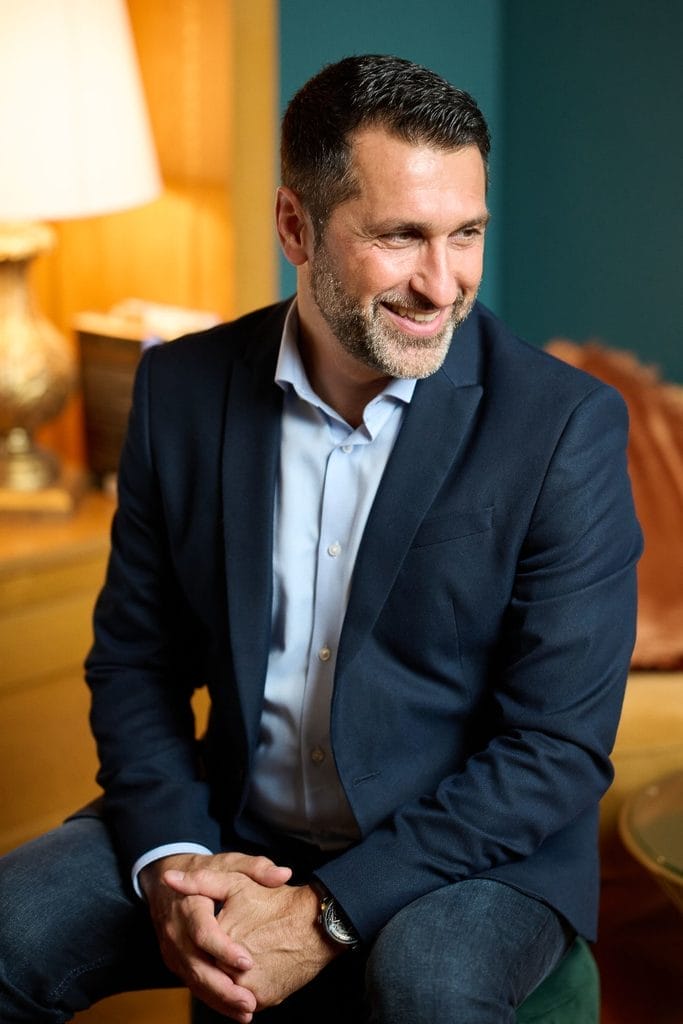
Thomas Baillod is a Swiss entrepreneur from La Chaux-de-Fonds (born in 1971) with some 20 years of experience in the watch industry. After starting his career at Publicitas, he spent nearly fifteen years working alongside independent watch brands before setting out to shake up the conventions of distribution. In October 2019, he launched BA111OD, first as an ideas lab that quickly grew into a fully fledged brand. His approach rests on what he calls “We-commerce”, a customer-centric model driven by a community he has named the “Afluendors”. Unlike traditional brands that look to cut production costs, or raise their prices to shore up margins and profits, Thomas Baillod chose to cut distribution costs and offer more accessible Swiss mechanical watchmaking. Even when it comes to complications such as the tourbillon. We met this entrepreneur and leader of people, who intends to shake up the Swiss watch industry’s business model without seeking to topple it.
On this page
- Which watch are you wearing as we speak?
- What is your finest watch acquisition?
- What is your favourite watch complication?
- What passions do you have besides watchmaking?
- What would be your dream car?
- What are your favourite dish and wine?
- How would you define luxury?
- Which brand (watch or otherwise) best embodies luxury in your view?
- Which figure (historical or contemporary) inspires you?
- Which quality do you value most in others, and which of your own flaws do you regret?
- Which quote do you particularly like?
- On Thomas Baillod time, what time is it?
Which watch are you wearing as we speak?
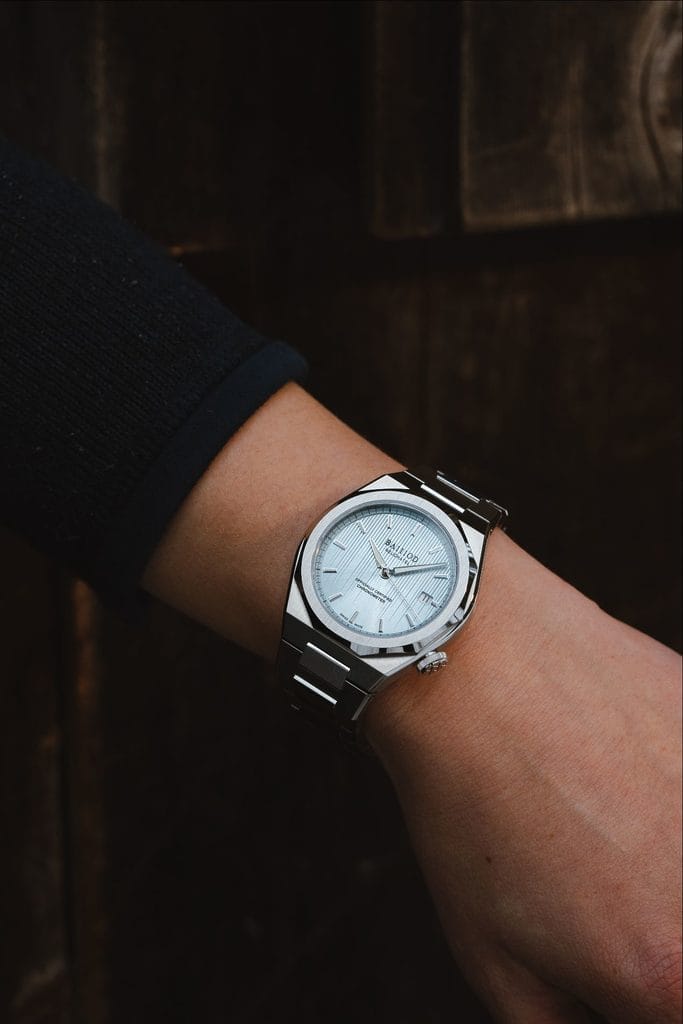
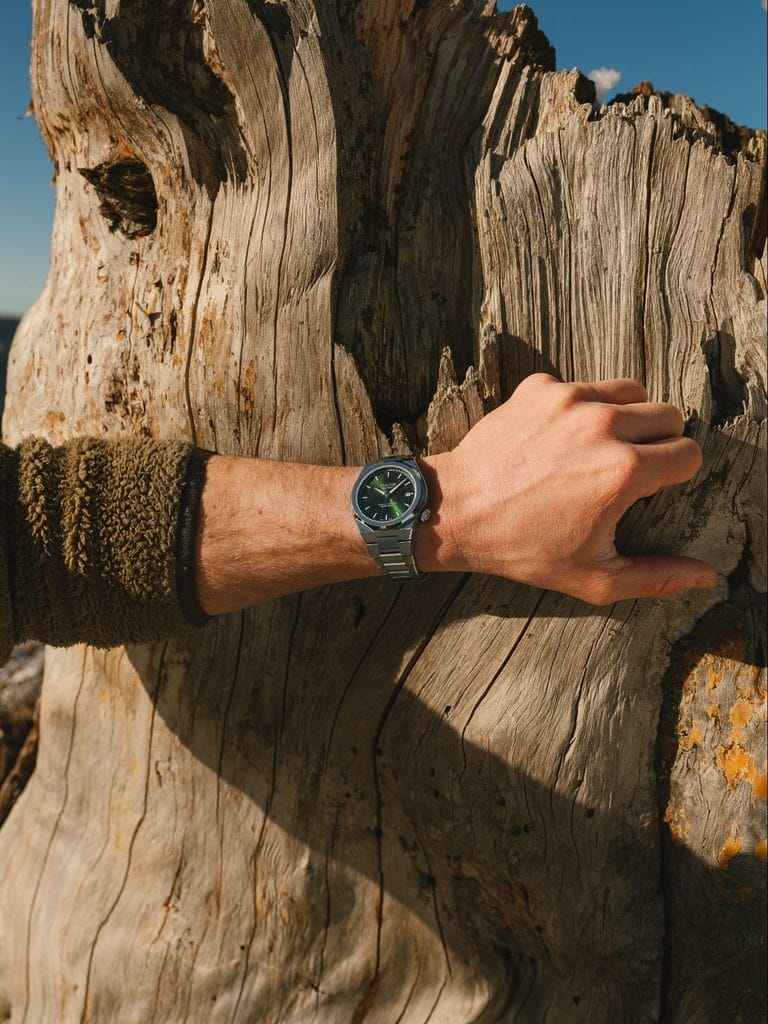
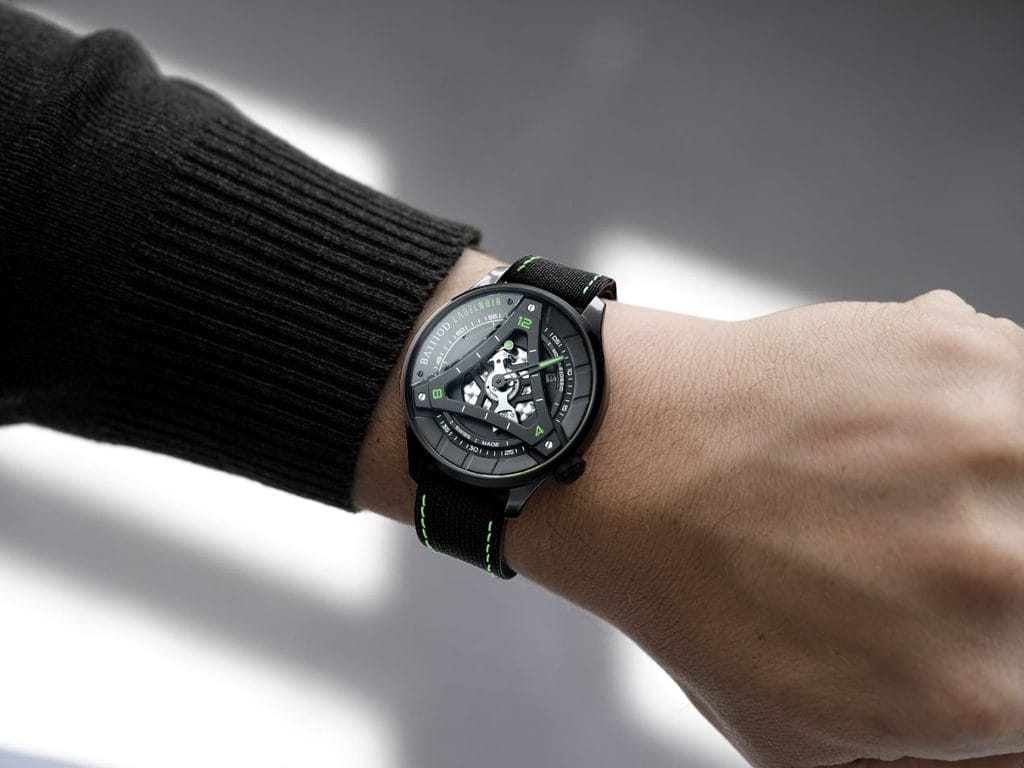
On my left wrist, I’m wearing a Chapter 7. It’s the weekend, so I naturally go for a piece that can do it all: a sporty chic side, yet elegant enough that I can go for a drink, see friends or head into town without a second thought. It’s a bit like my Swiss Army knife of a watch, I can live with it without having to baby it.
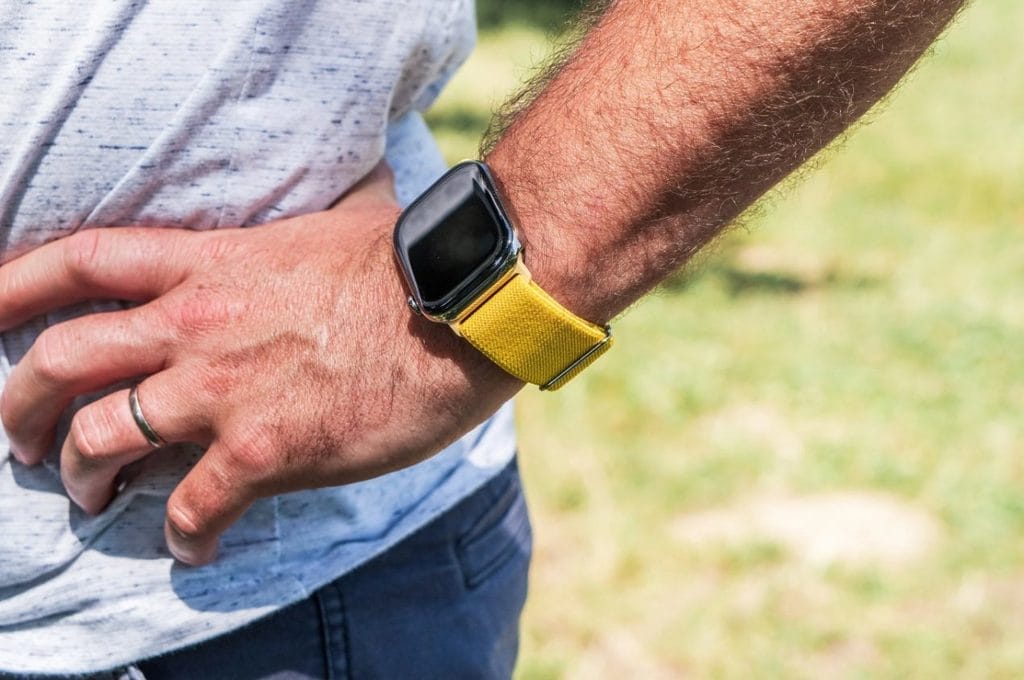
On my right wrist, I’m wearing an Apple Watch Series 11 that I’ve just bought. For me, it’s important to understand what is happening in the wrist ecosystem today. Saying the Apple Watch is no challenge to Swiss watchmaking is burying your head in the sand. When you see what they have built, the user experience, the way it fits into daily life, the health and notification features, I fully understand why they sell several times more than the entire Swiss watch industry combined.
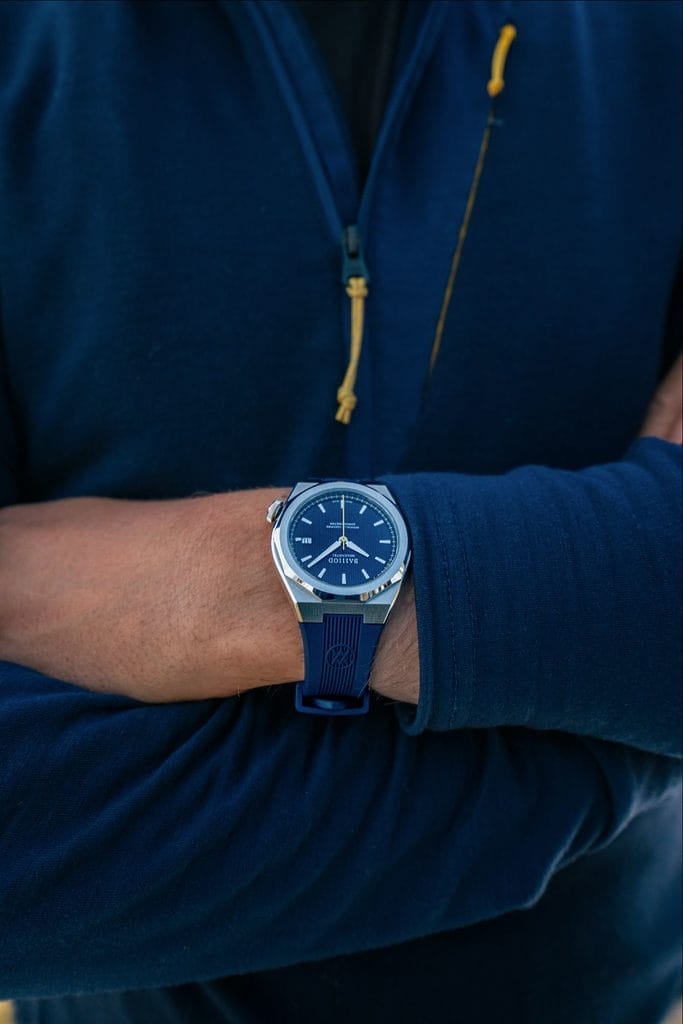
But having both on my wrists illustrates one thing clearly: they are not the same objects, nor do they stir the same emotion. To me, the Apple Watch is a tool on the wrist, a wrist tool. The Chapter 7 is a watch, an object of pleasure, style and mechanics that tells a story and expresses craftsmanship. Both have their place, but not for the same reasons.
What is your finest watch acquisition?
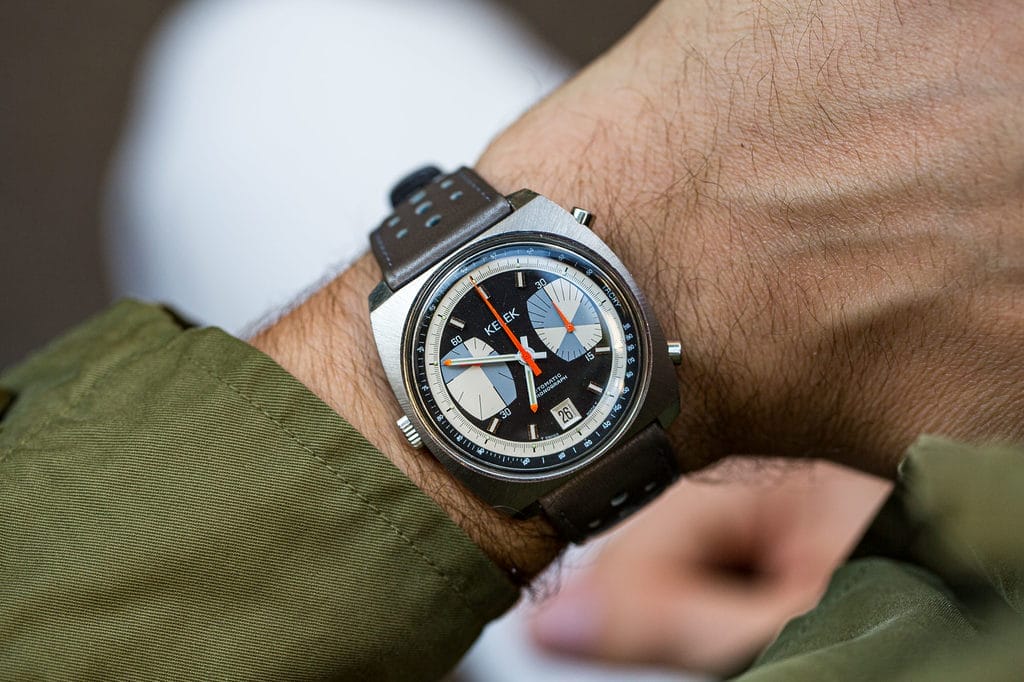
Emotionally, the finest is a Kelek my father gave me when I finished my studies. No complication can match the emotional weight of an object handed down by someone you love.
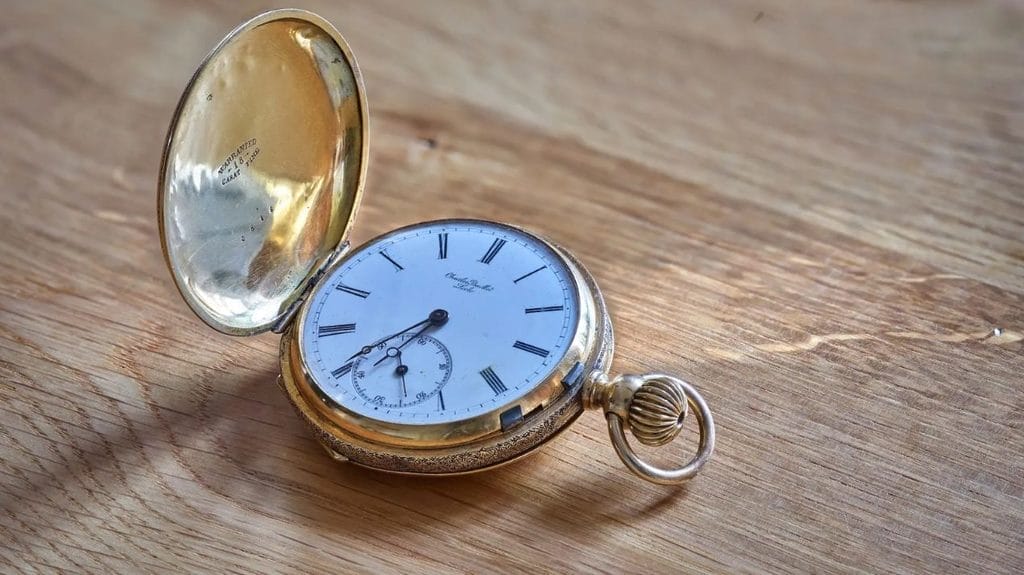
If we’re talking about acquisitions in the strict sense, there is a BA111OD pocket watch that resurfaced in California last year. It was in gold, and we tracked it down and bought it for 5,000 dollars. Paradoxically, it is one of the few watches I have actually paid for out of my own pocket, even though I have worked in watchmaking for years. This piece is a bridge between the family’s past and present, a fragment of history that crossed time and oceans to come back to us. There is almost a treasure hunt feel to this kind of rediscovery.
What is your favourite watch complication?
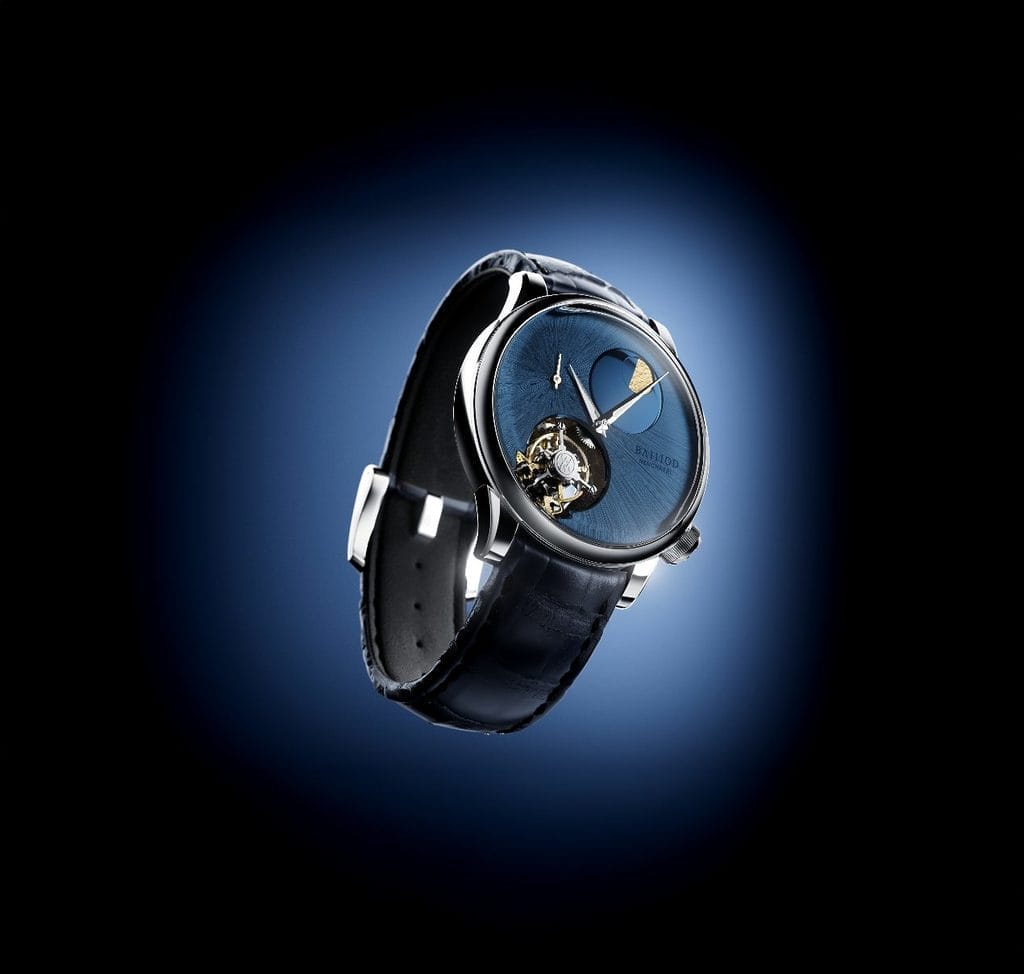
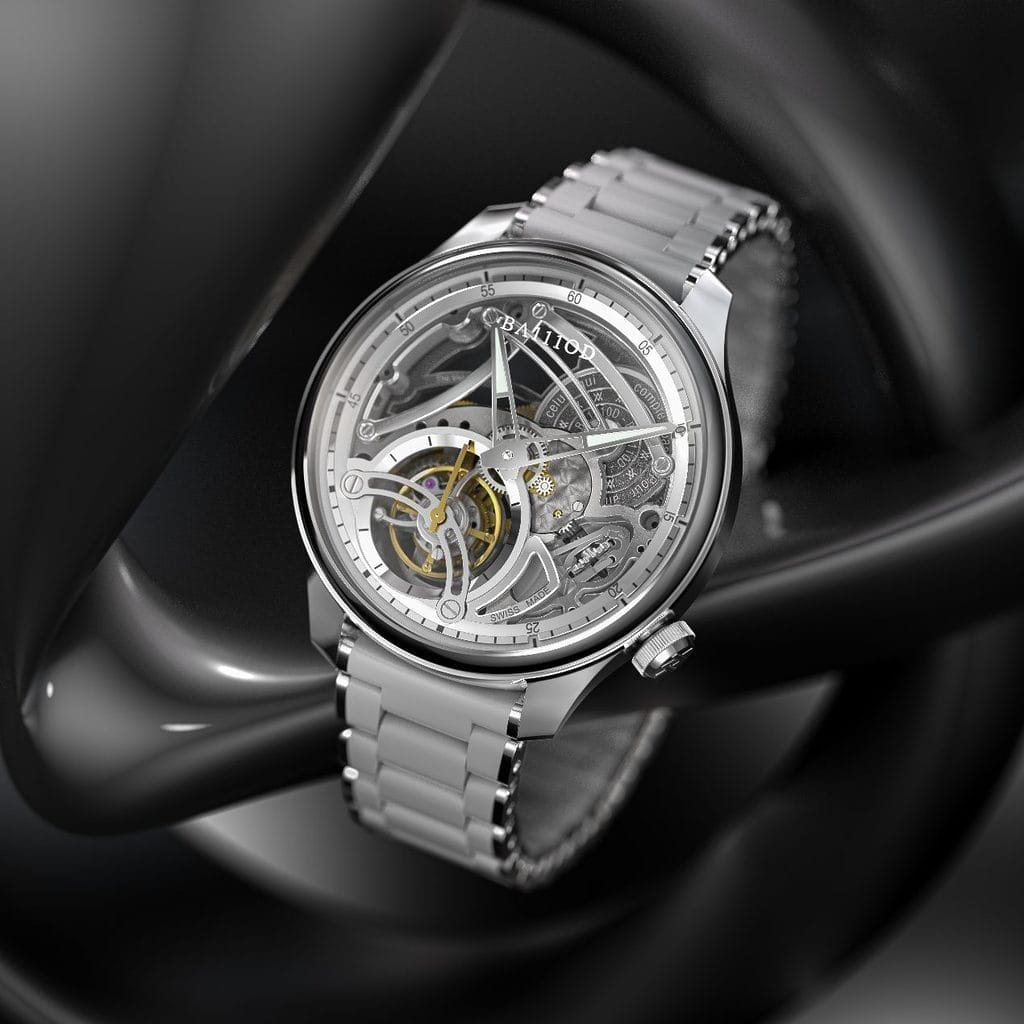
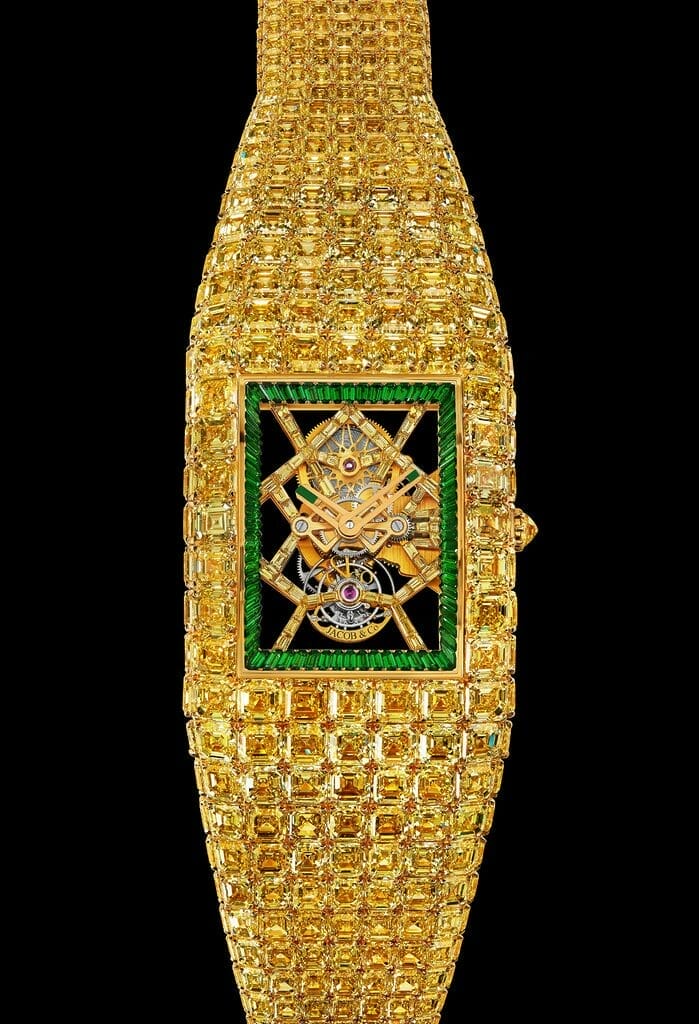
The tourbillon, without hesitation. First, because it is a complication that speaks to the heart as much as to the head. You can explain it through technique, through its original role of compensating for gravity, but in reality what moves us is the hypnotic ballet of the rotating cage. You can spend several minutes gazing at it without noticing the time go by.
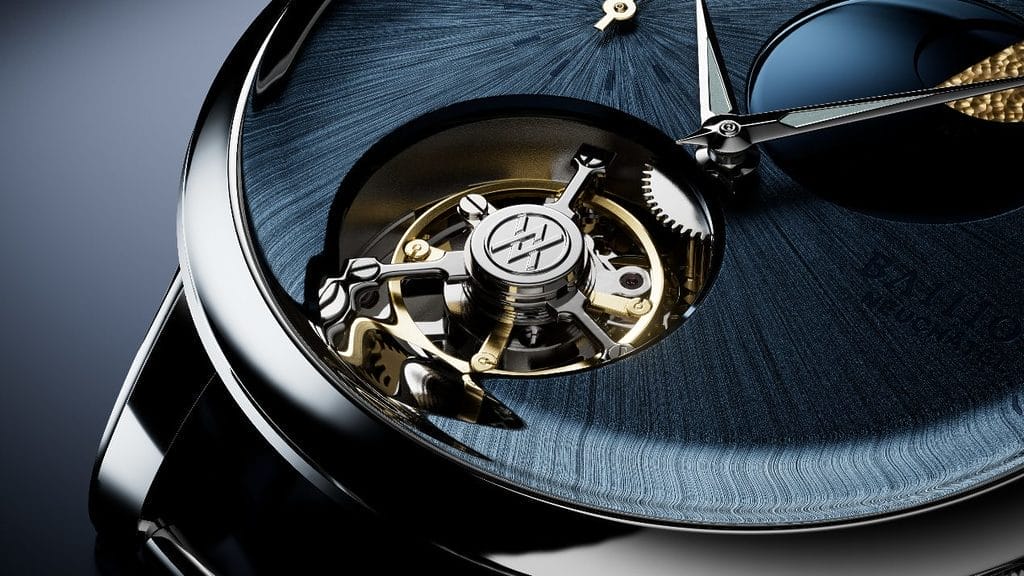
And for me, the tourbillon is also a beautiful metaphor for life. Everything spins a little in every direction, there is apparent chaos, constant movement, but behind it there is a logic, an architecture, a mechanical plan that holds everything together. Today, a tourbillon is also a deliberate way of making life complicated for the sheer beauty of the exercise. It is no longer necessary, and that is precisely what makes it fascinating.
What passions do you have besides watchmaking?
I could name many, but two of them have taken on a special place in my life here, in the canton of Neuchâtel.
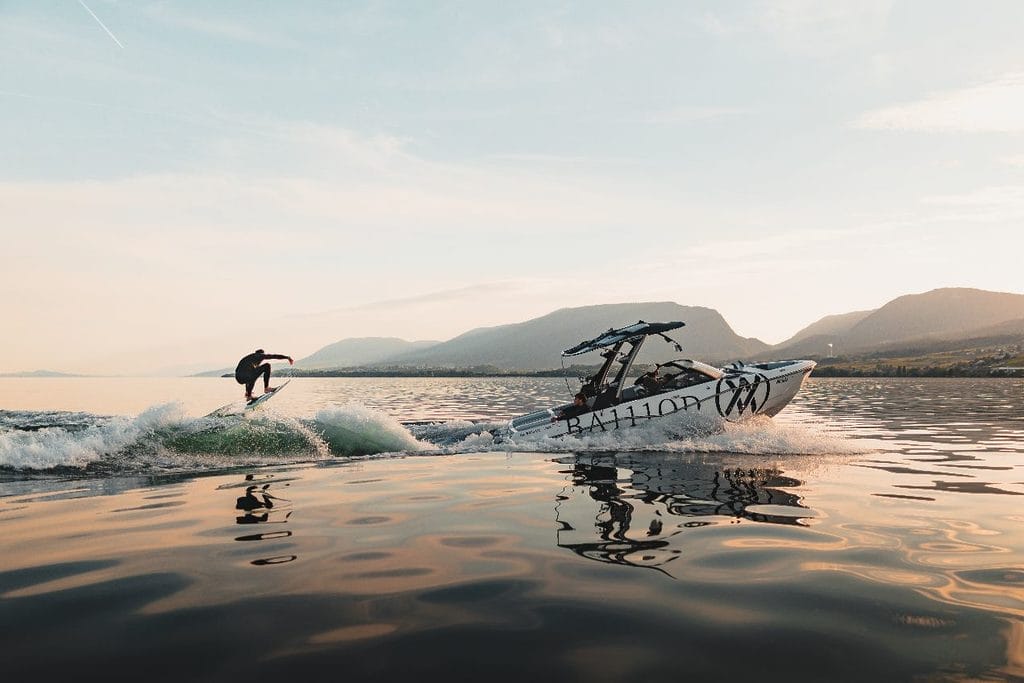
The first, a very recent one, is wake surfing. We became sponsors of the Water Ski Club this year and, over time, I got hooked. It’s an incredible feeling of freedom, out on the water, with that mix of focus and letting go. You have to be present, here and now, or you fall. It’s very close to what I love about watchmaking: that point of balance between control and flow.
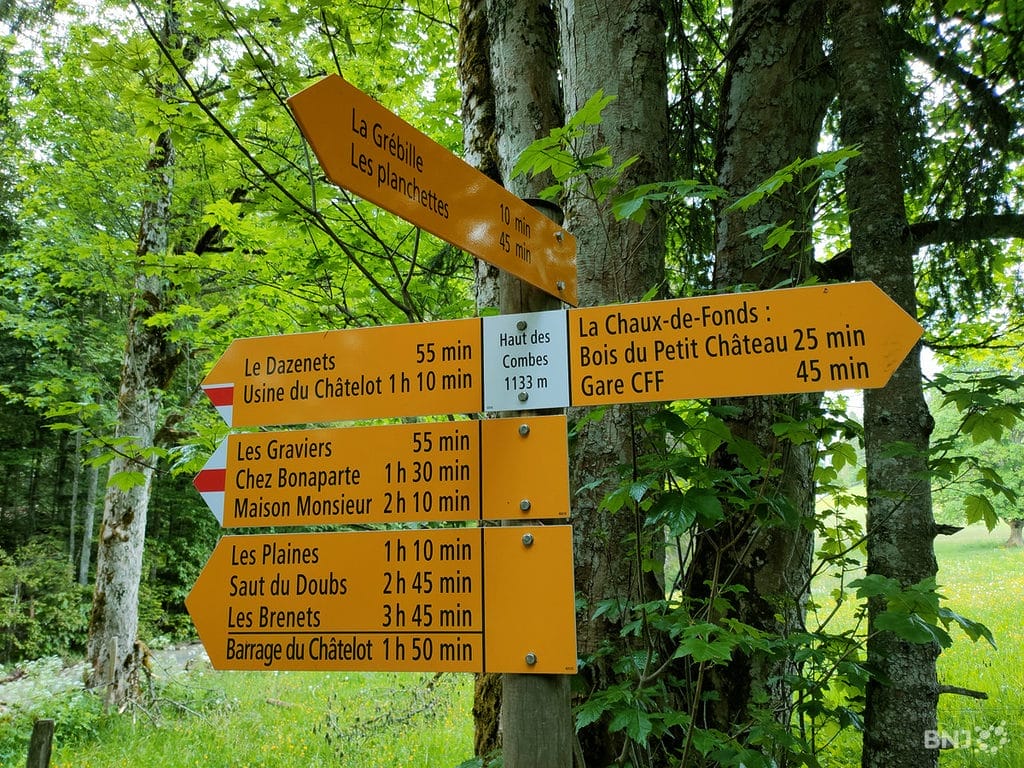
The second, a longer-standing one, is hiking. I deeply love that slow time. It’s a physical effort, but without violence. You walk, you breathe, you look around. It’s a moment when everything settles a little: sometimes you talk with the person beside you, sometimes you fall silent and let nature do the talking. It’s a form of meditation in motion.
What would be your dream car?
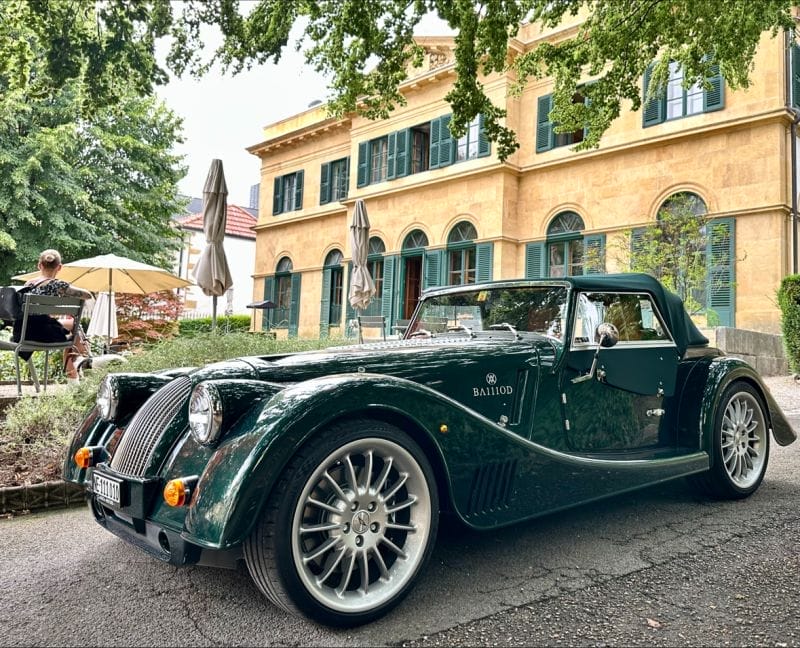
I could talk about spectacular, very powerful cars, but the truth is I have already owned my dream car: a Morgan. It was a car with tremendous charm, that famous British phlegm. It had class without being ostentatious… It evoked the 1940s and 1950s, those cars that were beautiful before being efficient, where the lines counted as much as the performance.
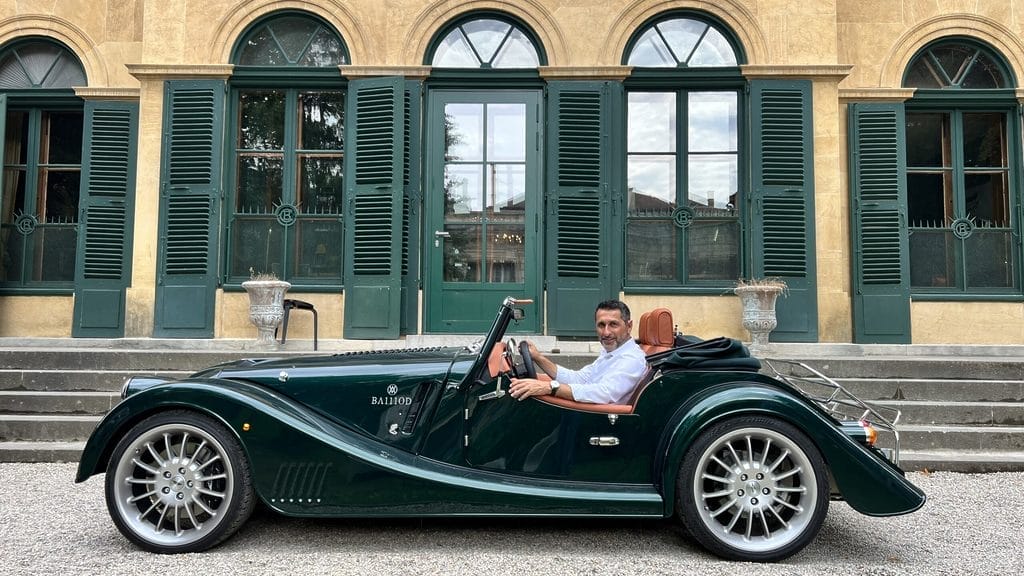
I loved it so much that one day I lent it to one of our best customers. There was then what we’ll kindly call a “minor accident”, which brought our story with that car to a somewhat premature end. The dream was cut short, but that is also part of its legend. For me, that Morgan remains tied to a period, to a feeling of freedom, to drives made for pleasure rather than efficiency. Exactly like a beautiful mechanical watch: it’s not the most rational option, but it’s surely one of the most delightful.
What are your favourite dish and wine?
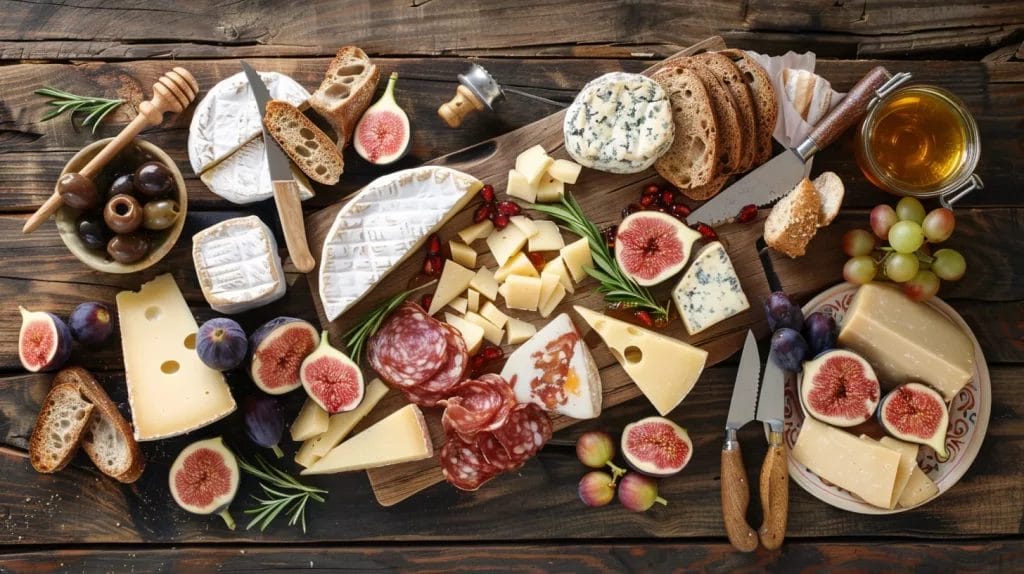
When people talk to me about wine, I immediately think of a cheese board with a good saucisson. It’s something very convivial, very simple, but it can be a moment of pure happiness if you choose the products well. You open a good bottle, you chat, you cut a piece, you help yourself to another, and you never look at your watch.
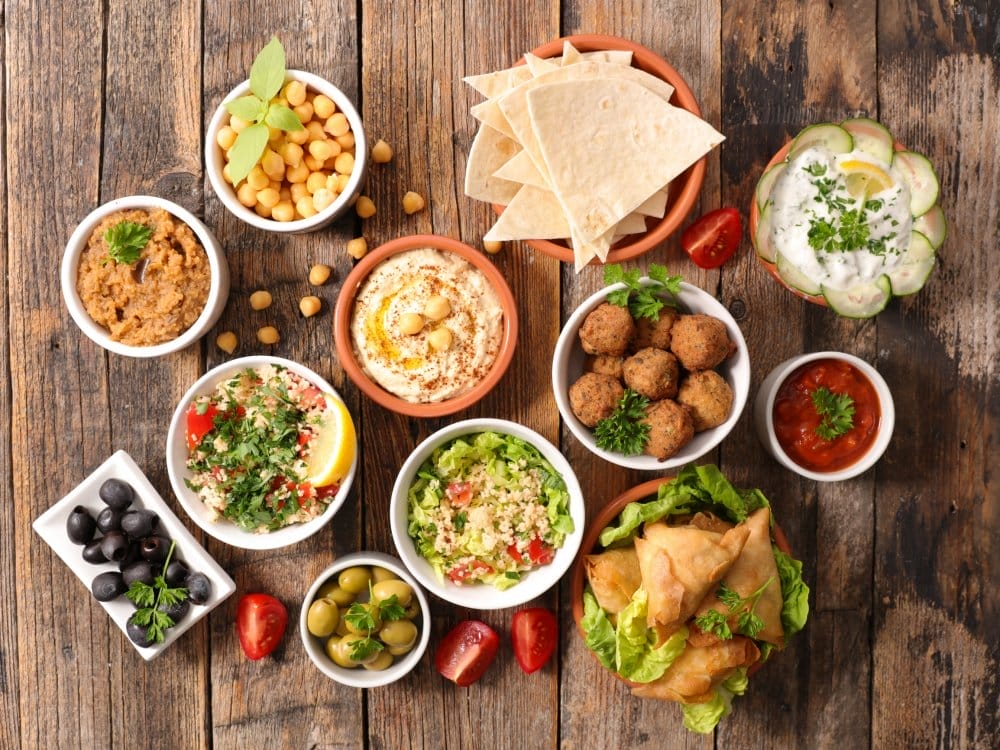
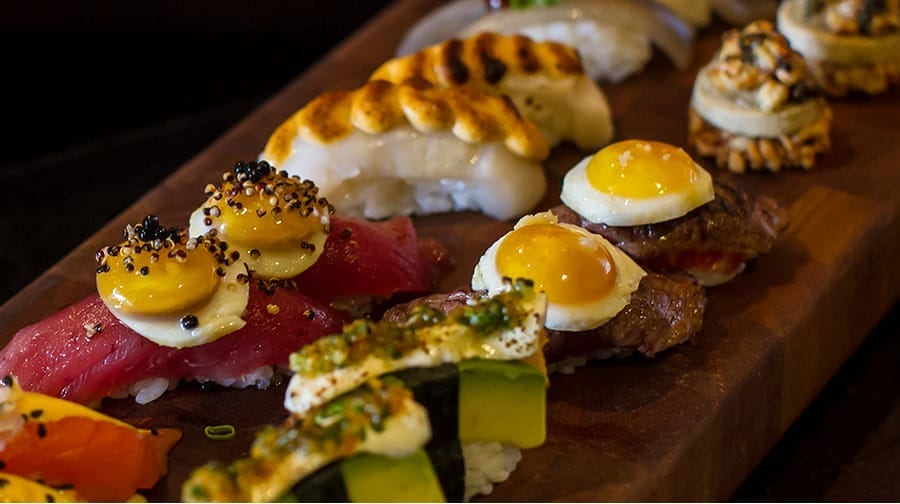
I also have a very strong connection with world cuisines, because I have travelled a lot and lived abroad. In the Middle East, I fell in love with Lebanese food. It’s generous, built around small plates to share. It isn’t one dish, it’s twenty dishes arriving at the table. You nibble, you taste, you share. It’s a very social experience.
In South America, I discovered Peruvian cuisine and Peruvian Japanese fusion. That blend of culinary cultures, those flavours coming together, is something I really enjoy. If I had to sum it up, I’d say I love cuisines that combine generosity, sharing and discovery. More than any particular dish or wine, what I love most is the moment you create around the table.
How would you define luxury?
For me, luxury is first and foremost something that makes you dream but remains within reach. It’s not only about price. Luxury is an object or an experience that has a soul, that is made with genuine quality, and that respects the person who will wear it, consume it or live it.
I am very wary of a certain exclusionary luxury, the kind that tells you: “this isn’t for you”. That isn’t my vision. I like the idea of inclusive luxury, which uplifts without looking down on anyone. It can be a very simple object, but designed with care and honesty. It can also be a very simple moment: a fondue you make at the top of a mountain after carrying your caquelon up in your backpack. It’s the same fondue as down below, but the setting, the view and the effort it took to get there change everything. Luxury is that small shift from the everyday to the exceptional.

Which brand (watch or otherwise) best embodies luxury in your view?
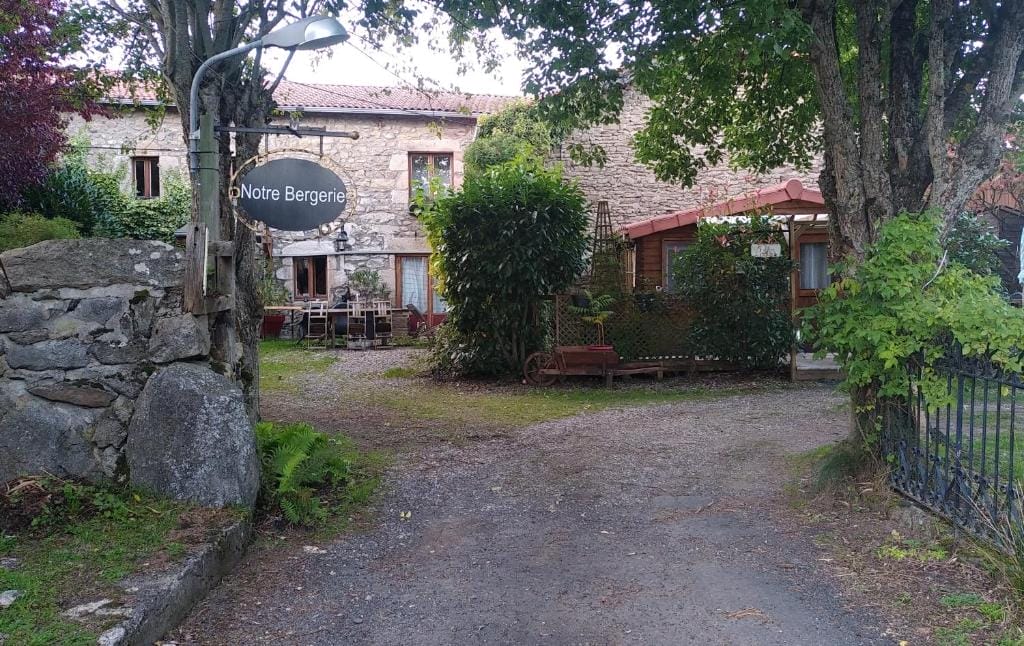
No big brand springs to mind, because I see luxury above all as an experience rather than a logo. For me, luxury can be a small boutique hotel, almost hidden away, where you return a year later and they remember you, your room, the way you take your coffee. That attention to detail, that warmth, is worth all the marble and gilding in the world.
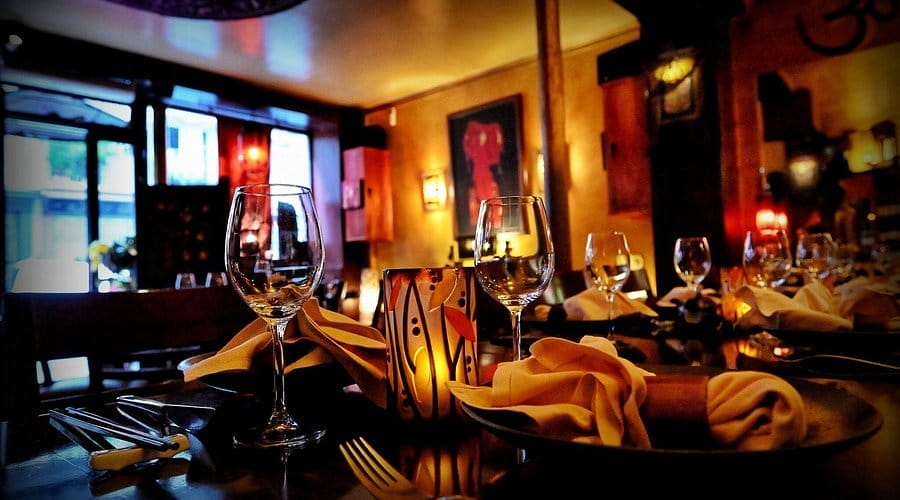
It can also be a pastry shop where the chef recognises you and lets you taste a creation before it goes on the menu. Or that little restaurant where they give you your favourite table without you having to ask. It’s these very personal “little extras” that, for me, best embody luxury: something simple that makes you feel unique.
Which figure (historical or contemporary) inspires you?
One name that often comes up for me is Albert Jacquard. He was a physicist and a humanist, a popular science communicator of a rare kind, somewhat in the vein of Hubert Reeves. He made a huge impression on me as a teenager. I listened to his lectures and read his books. He talked about physics, determinism, society and human dignity in simple words and with incredible depth.
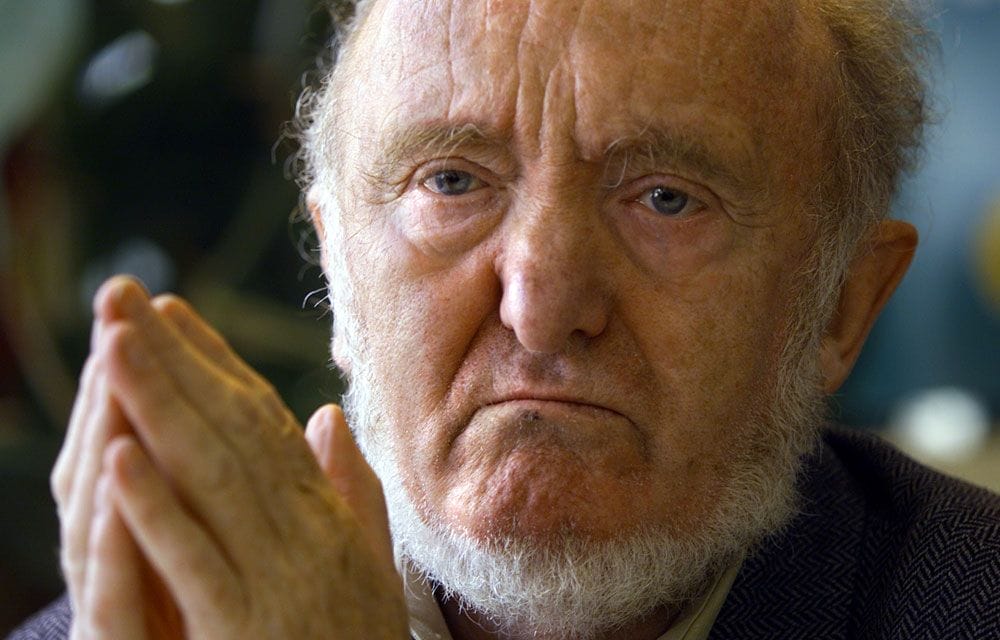
One day, I wrote to him. He took the time to reply and to come and give a lecture at my school. That gesture, that generosity with his time, touched me deeply. He embodied the combination of scientific rigour and immense humanity. His humility, his sense of sharing and his way of making the infinitely complex understandable without betraying it are qualities that still inspire me today.
Which quality do you value most in others, and which of your own flaws do you regret?
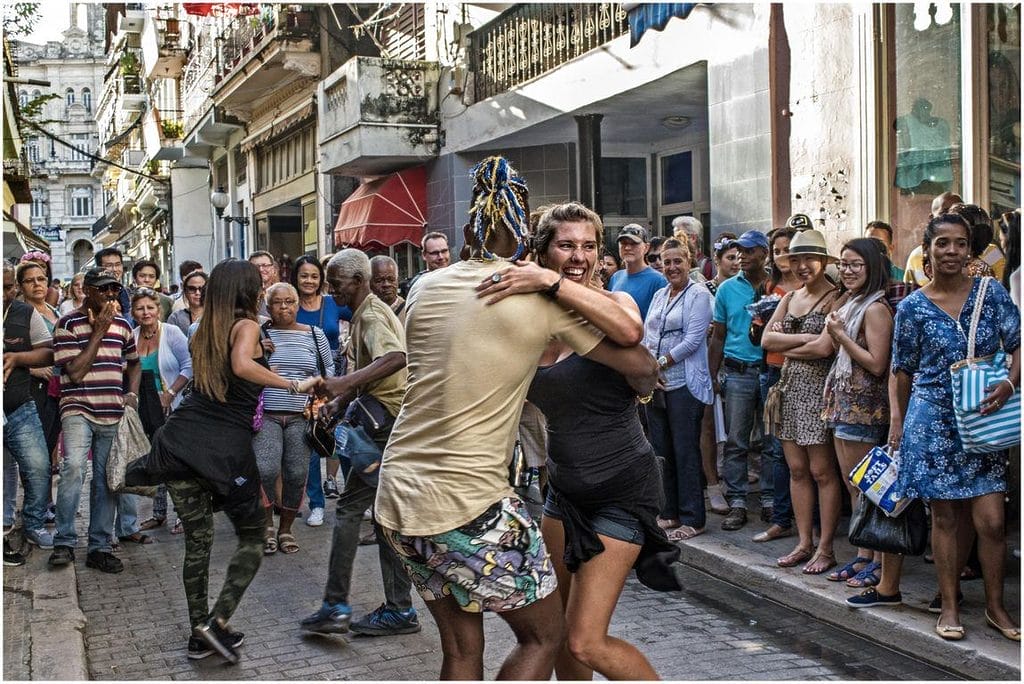
In others, I admire the ability to let go. That capacity to say to yourself: “It’ll be fine, we’ll find a solution”. It’s a quality I truly learned in Latin America, especially in Cuba, where I lived. Life there isn’t easy, but people have a way of dealing with constraints that commands admiration. They dance with whatever comes their way, literally and figuratively. It helped me put a lot of things into perspective.
My flaw is probably impatience, or impulsiveness. I tend to want things to move fast, sometimes too fast. It can be a strength when it comes to launching projects and shifting the lines, but it can also make me too demanding, of myself and of others. I’m working on turning that energy into a driving force rather than a source of tension.

Which quote do you particularly like?
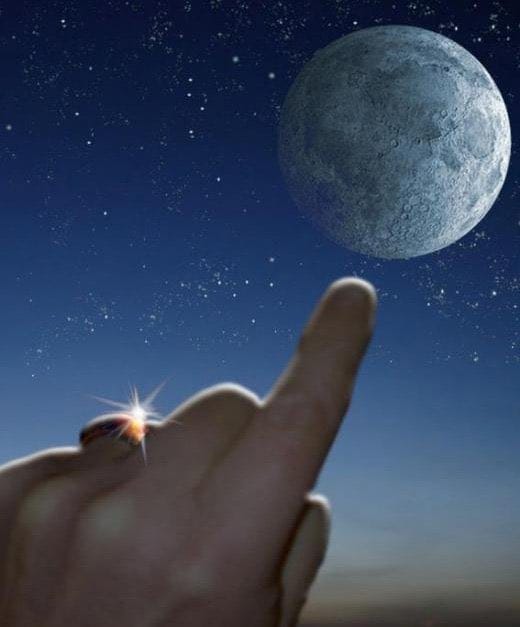
A quote that has stayed with me for a long time is: “When the wise man points at the stars, the fool looks at the finger.”
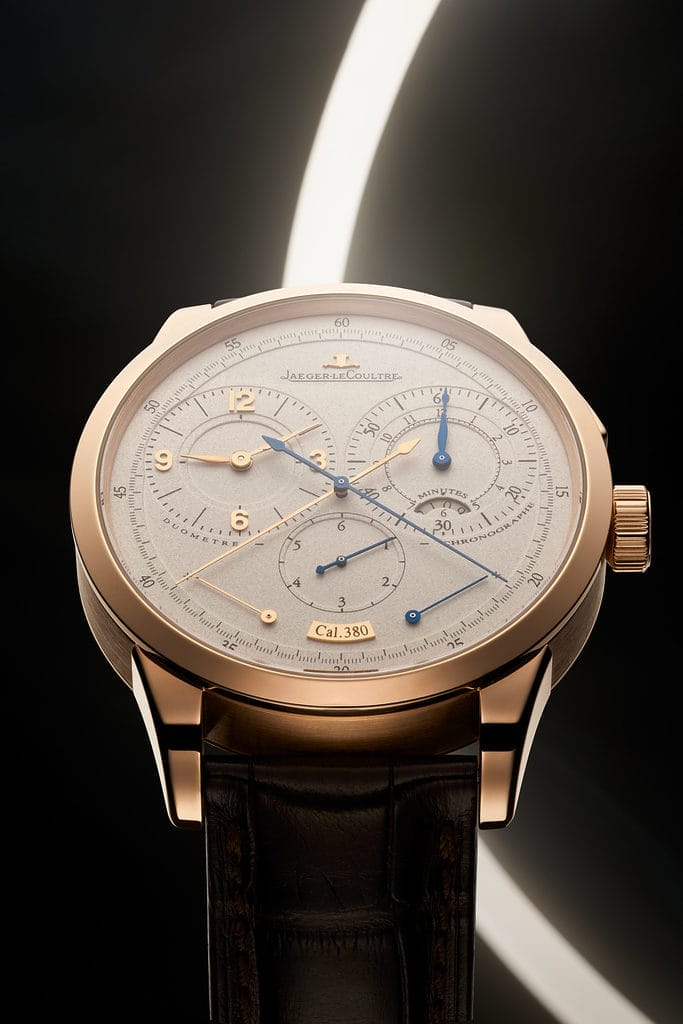
On Thomas Baillod time, what time is it?

Leave a Reply