Chantal Gemayel: the luxury of human connections
Chantal Gemayel, founder of Blackdress, opens up about her career, her convictions and the luxury of time.
In the watch world, some personalities work far from the spotlight, yet play an essential role in raising the profile of the great houses and passing on their stories. They create encounters, build relationships and bridge the gap between brands and the media. Chantal Gemayel is one of them.
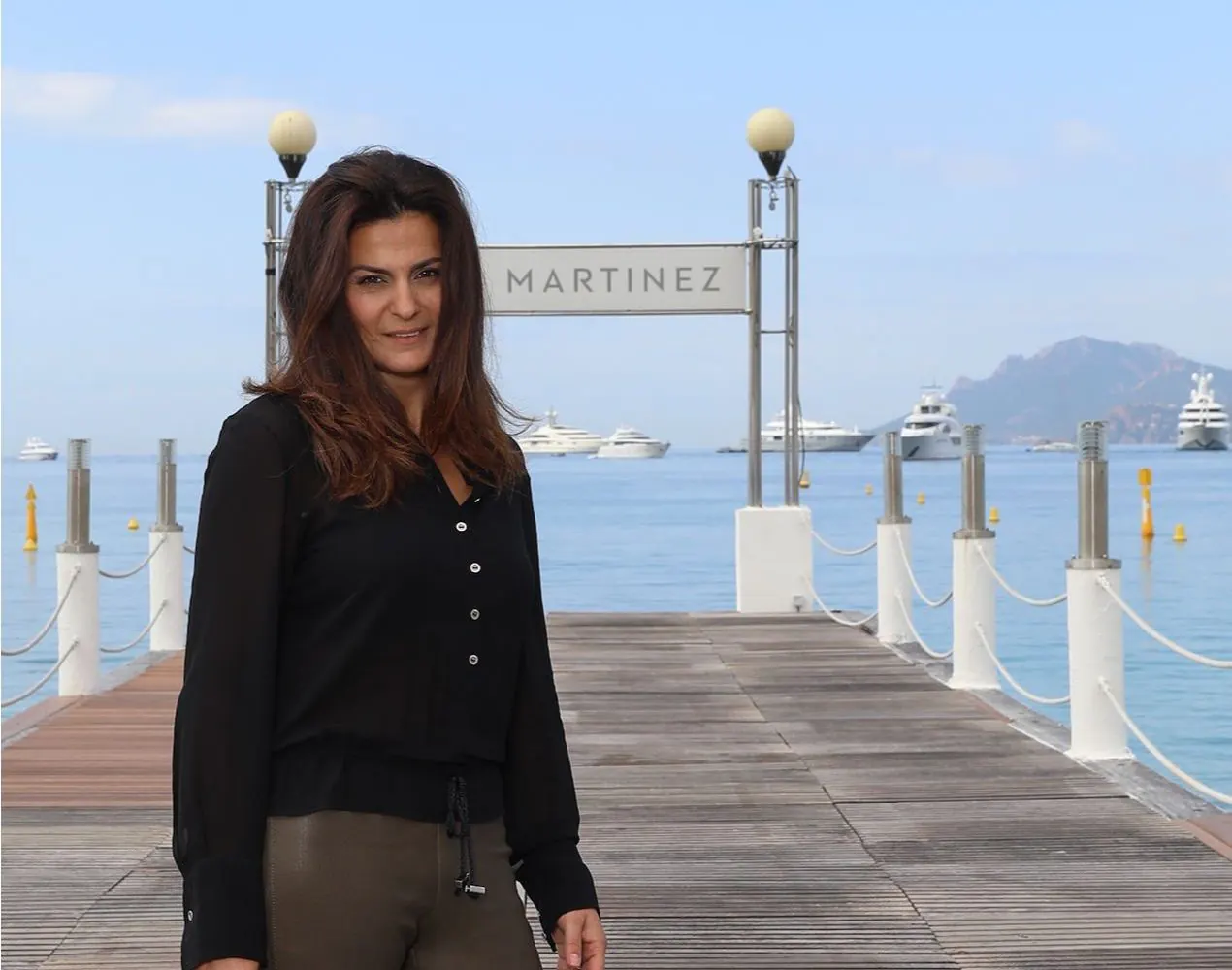
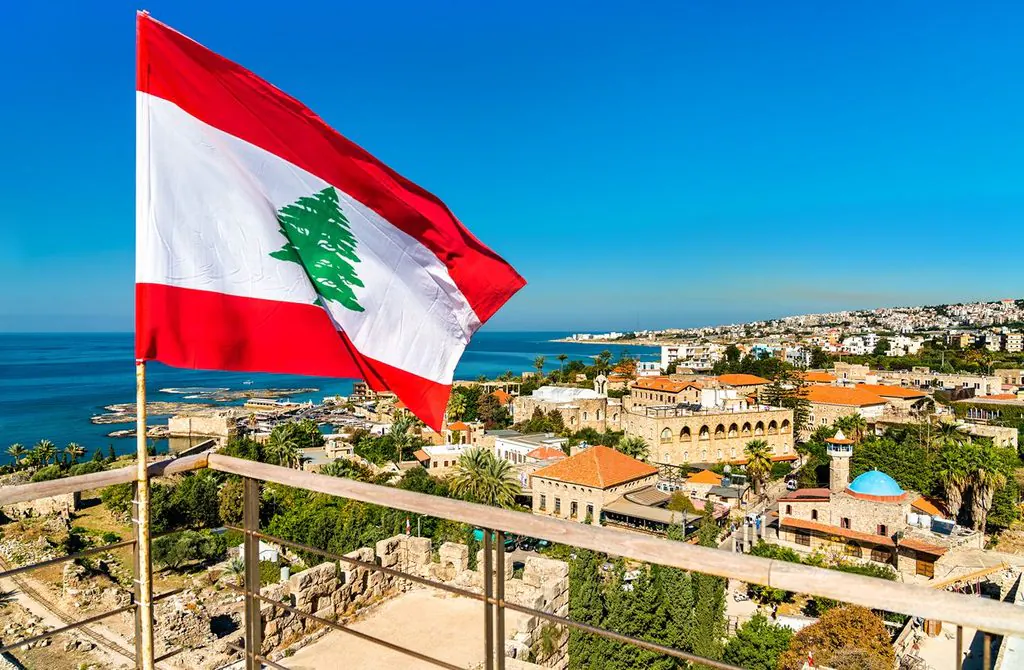
Born in Lebanon during the war and brought to France at a very young age, Chantal Gemayel has built a career in which high standards and determination go hand in hand with a deep curiosity about people. After a first experience with the American edition of ELLE magazine, she joined Omega, where she discovered the many facets of watch marketing, before becoming head of communications at Swarovski. Two houses that opened the doors to worlds as fascinating as watchmaking, jewellery, fashion and luxury.
In 2009, she decided to give her career a new direction by founding Blackdress L’Agence, an agency specialising in communications and press relations. Working between Paris and Geneva, she has supported prestigious houses for many years, guided by one conviction: behind every brand, every craft and every success, there are first and foremost people.
For this new edition of our Who’s Who, Passion Horlogère wanted to turn the tables and give the floor to the woman who usually helps others get talked about.
From her Lebanese childhood to her entrepreneurial adventure, from behind the scenes of the luxury industry to her personal commitments, Chantal Gemayel speaks with candour, sensitivity and humour. A conversation that is very much about watchmaking, of course, but above all about emotions, convictions and that most precious thing no one can buy: time.
Who’s Who: the Chantal Gemayel interview
1. Tradition demands we start with a watch question: which watch are you wearing as we speak? And what is your personal relationship with watches?
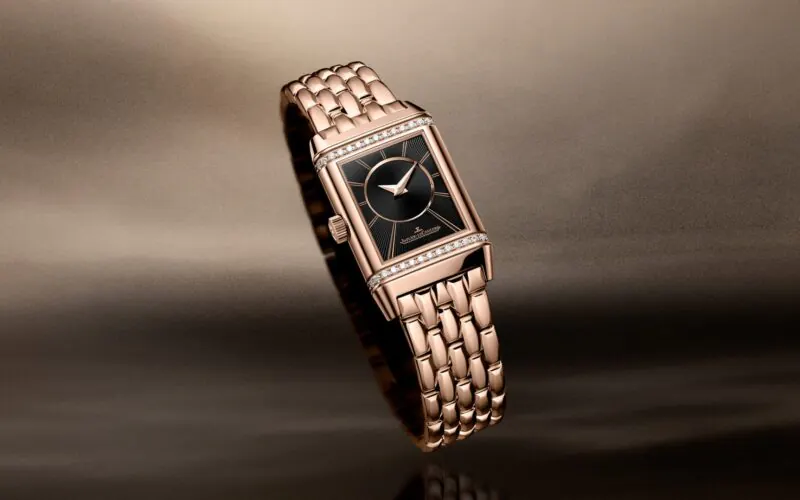
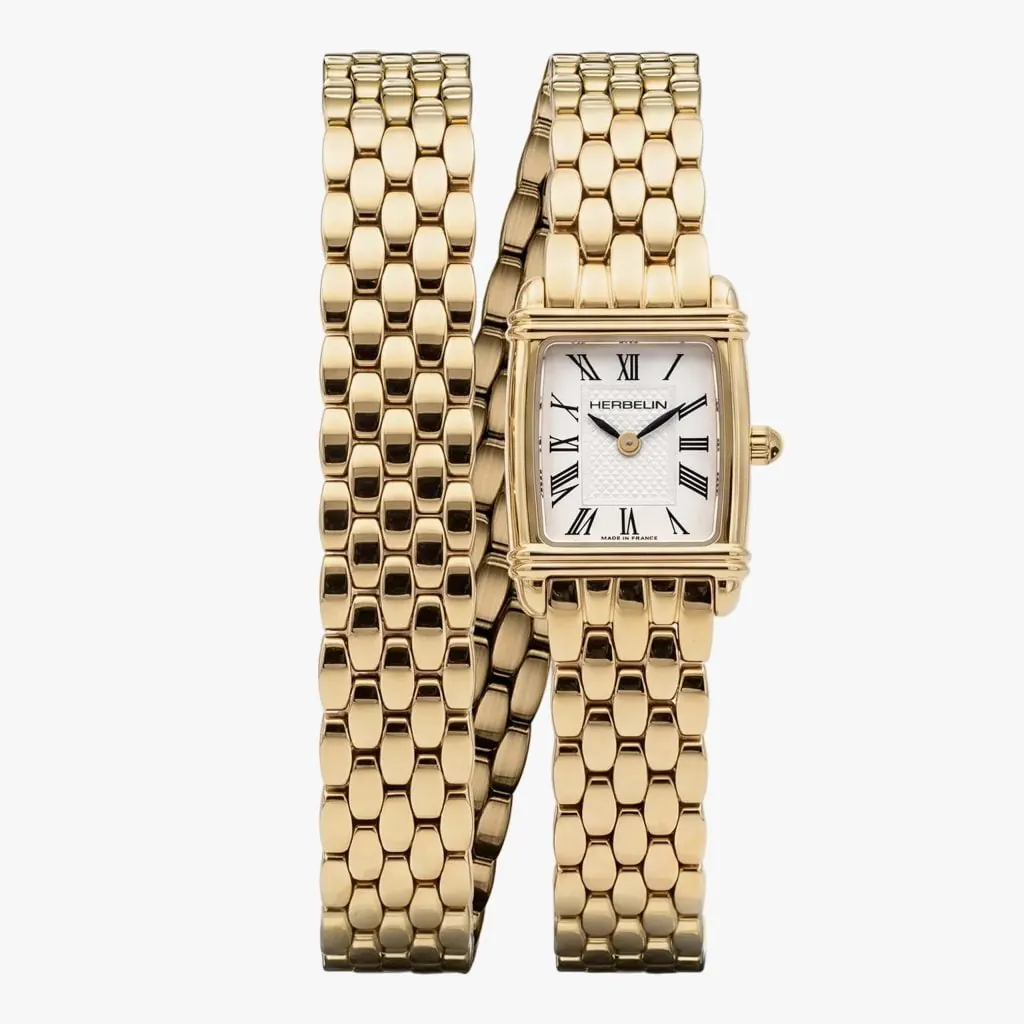
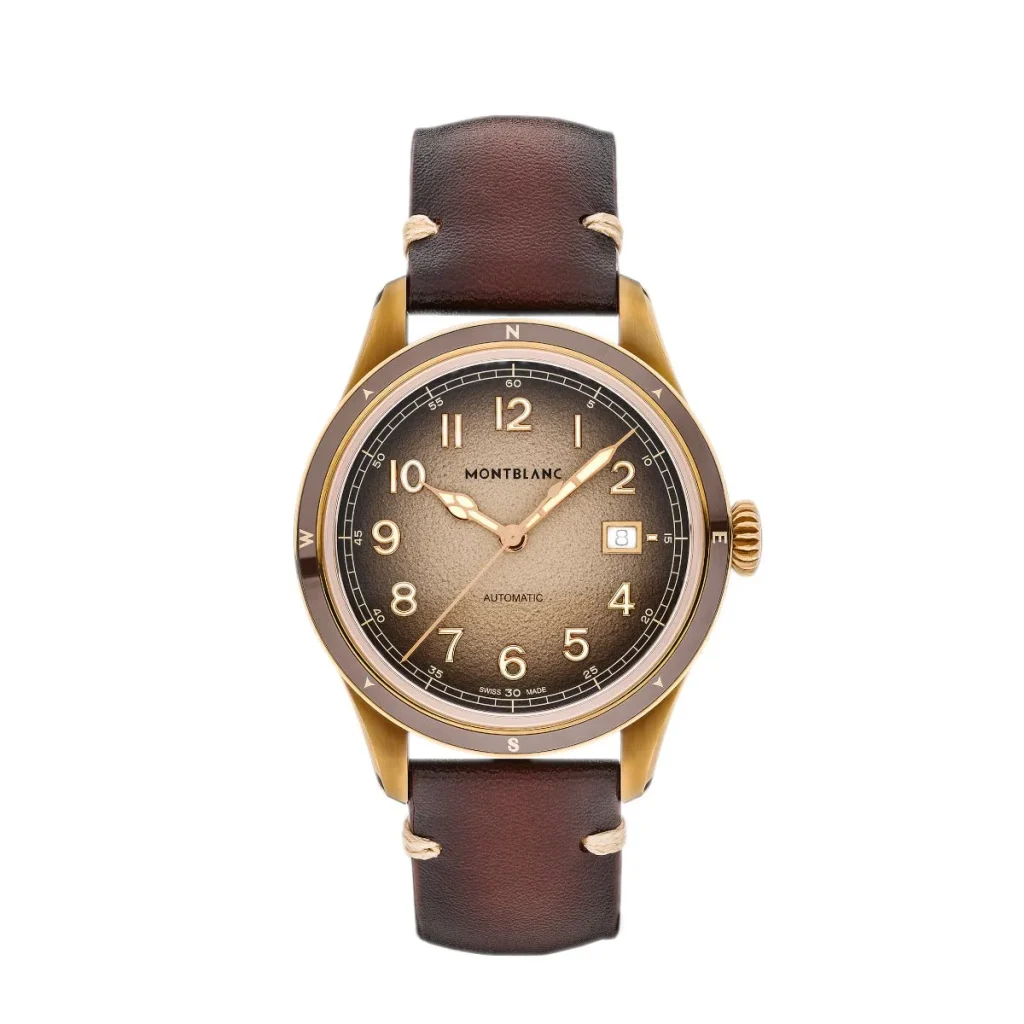
I have press collections from the houses I represent, for media shoots. So I have fun wearing a Herbelin Art Déco Double Tour and a Montblanc Auto Date 0 Oxygen, which are my favourite pieces this season. You are likely to see me with a different watch every day, depending on my outfit.
Today I have a rather special watch on my wrist: an Omega Speedmaster that belonged to my father. The anniversary of his death is coming up, and wearing it is my way of feeling connected to him at this time of year.
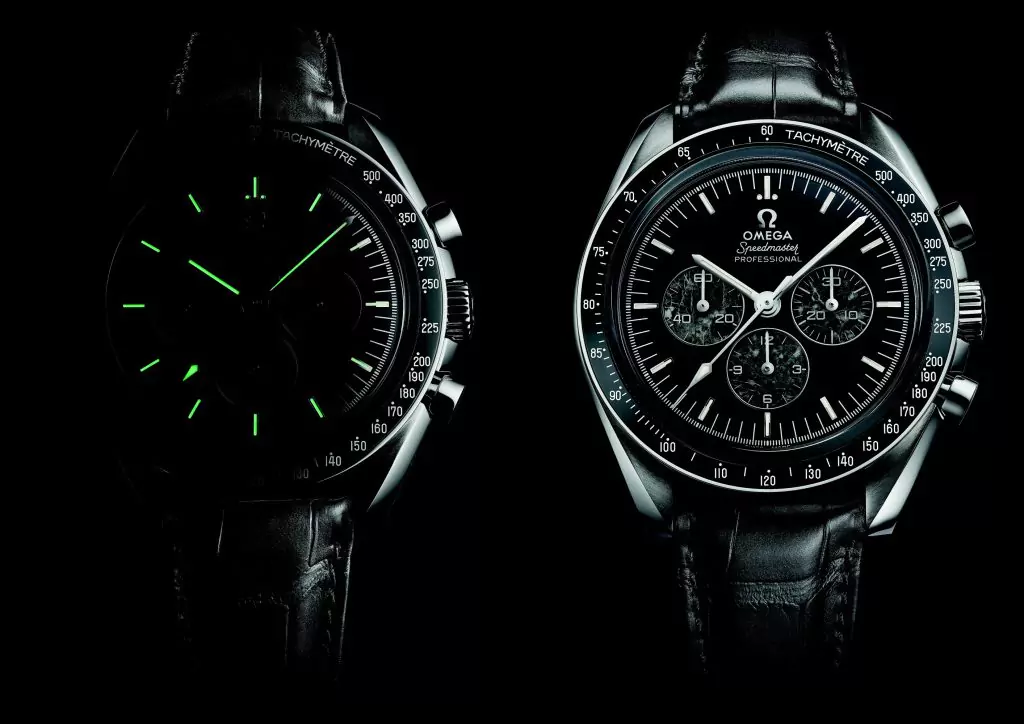
That is the power of these objects too: they connect us to moments we have lived, to emotions…
2. In a previous interview, you mentioned your childhood in Lebanon and your family’s arrival in France. Looking back, what has this personal history taught you about life and about other people?
You have done your homework! I was born in a Lebanon at war and came to France very young. When you are born in a country at war, you get used to living in a state of emergency, and that mindset trained me to always have a fallback plan. It becomes second nature.
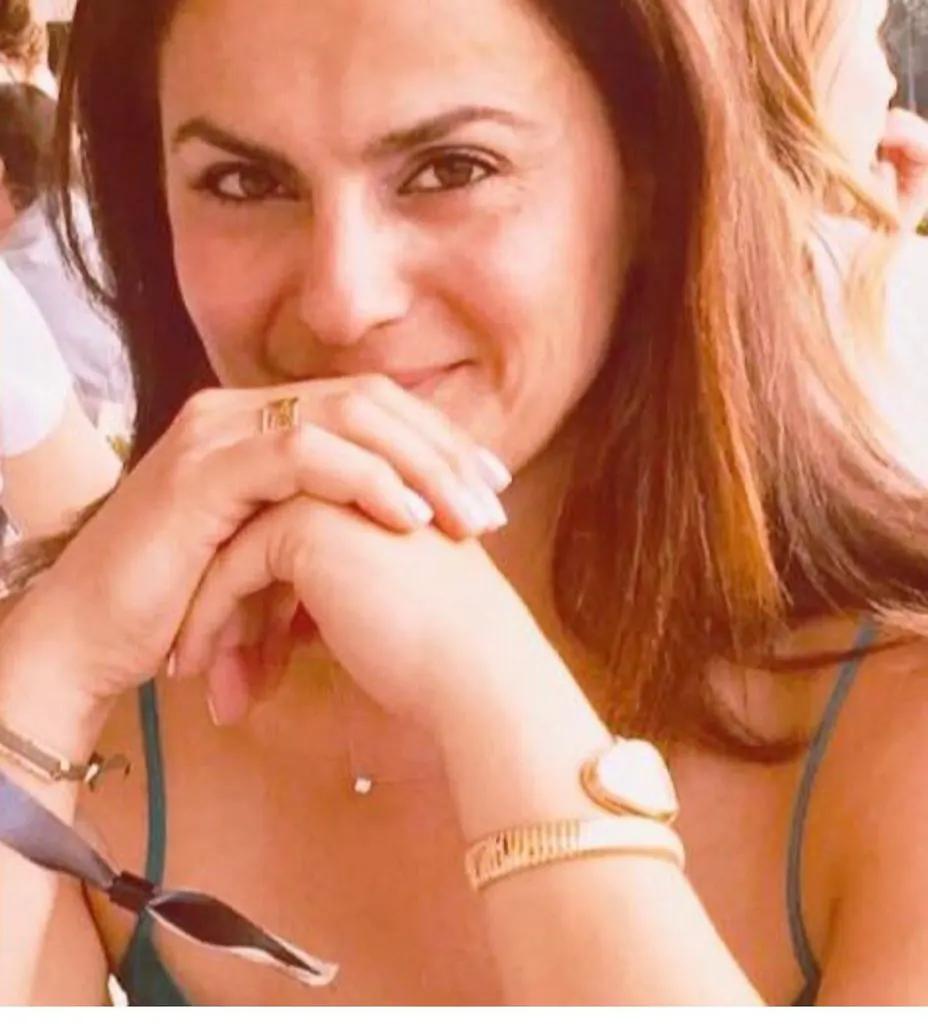
At one point in my career, I did a personality assessment to find out what I needed to work on to be the best version of myself… And the result was quite surprising: apparently I am an organised person who anticipates projects, in other words someone proactive. In my line of work, those are essential qualities. As for what it taught me about others, it is this desire to meet people, to share moments, to collect memories. I live in the present moment and see it as a gift.
3. Your career took you from ELLE magazine to major houses such as Omega and Swarovski. Which memory, encounter or experience truly shaped your calling for communications?
Discovering the media through that assignment for the American ELLE opened the doors to a world that fascinated me straight away. I wanted to learn everything. In marketing at Omega, I learned so much about watchmaking and jewellery from wonderful people, and above all from one person who was a role model for me: Madame Florence Ollivier. A woman with an iron fist who overcame so many obstacles and paved the way for women in a watch industry that was exclusively male at the time. She taught me to say NO, and at 23, that is a lot…
For personal reasons, I stepped away from watchmaking for a while to run communications at Swarovski, where I learned so much about the B2C side (jewellery) and the B2B side (components). That took me backstage at fashion shows by houses using the crystals, onto red carpets with celebrity placements, and into many other fascinating situations and events.
4. In 2009, you decided to strike out on your own by founding Blackdress. What pushed you to take the leap into entrepreneurship? And if you had to do it all over again, would you make the same decision today?
When I set up as an entrepreneur, I had three handicaps: being a woman, being a mother of two (I was pregnant at the time) and having no guarantee of success. But I had one great asset: an unshakeable will, and people around me who encouraged me and believed in me. That is reassuring, because the early days are full of doubts. I am also convinced that some women, myself included, because they want it all, a career and a family, develop rock-solid organisation, a strong ability to adapt and a knack for optimising everything. I wanted to find a job I loved enough that life would not only begin at the weekend, on holiday or in retirement…
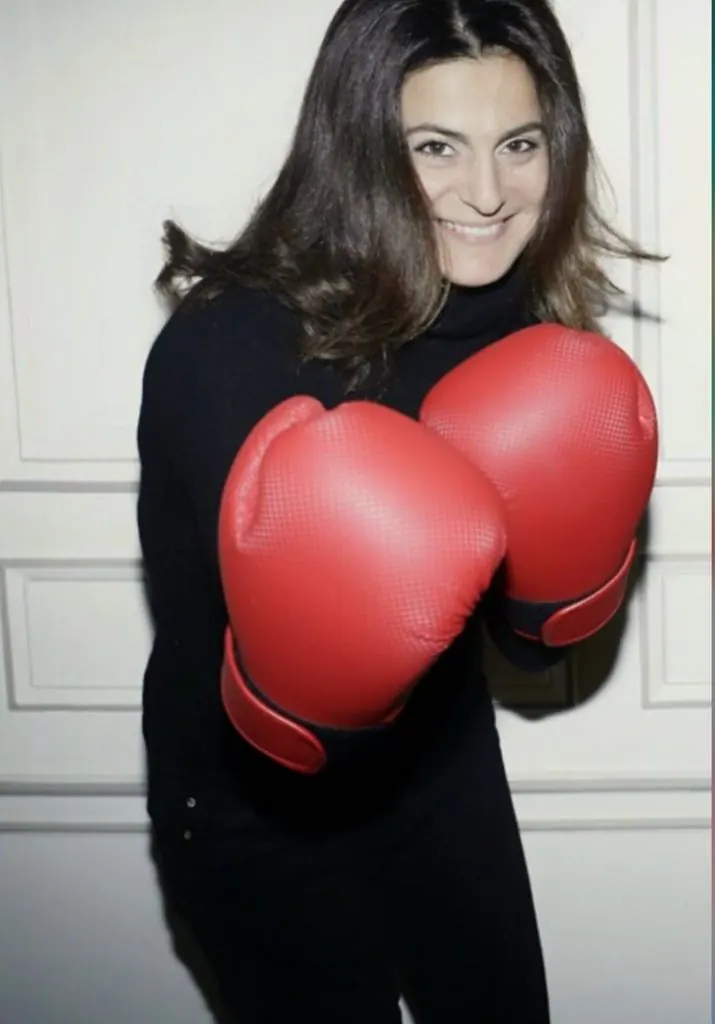
I needed to find meaning in my work in order to grow, flourish and be happy, and for that happiness not to depend on a boss. They say the early bird catches the worm; well, believe me, early risers get up because they cannot wait to start a new day full of encounters, discoveries and all the little pleasures of entrepreneurial life. Or to save their business, that is true too… Because with the last few years we have been through, this adventure has been a little complicated. And yet I would do it again and again, because it has given me so many enriching experiences.
5. The role of press officer is essential to our world, yet remains relatively unknown to the general public. How would you define it today?
I came to this field out of passion and learned over time. Going from business school to marketing, then to communications before landing in PR, is an unusual path to say the least. But this job has many facets and cannot be summed up in a few words. Supporting luxury companies in developing and implementing their marketing strategies and campaigns is fascinating. The PR professional is an essential link in the brand strategy chain. He or she puts in place, on an operational level, a house’s visibility and reach, by telling its story and showcasing its craftsmanship.
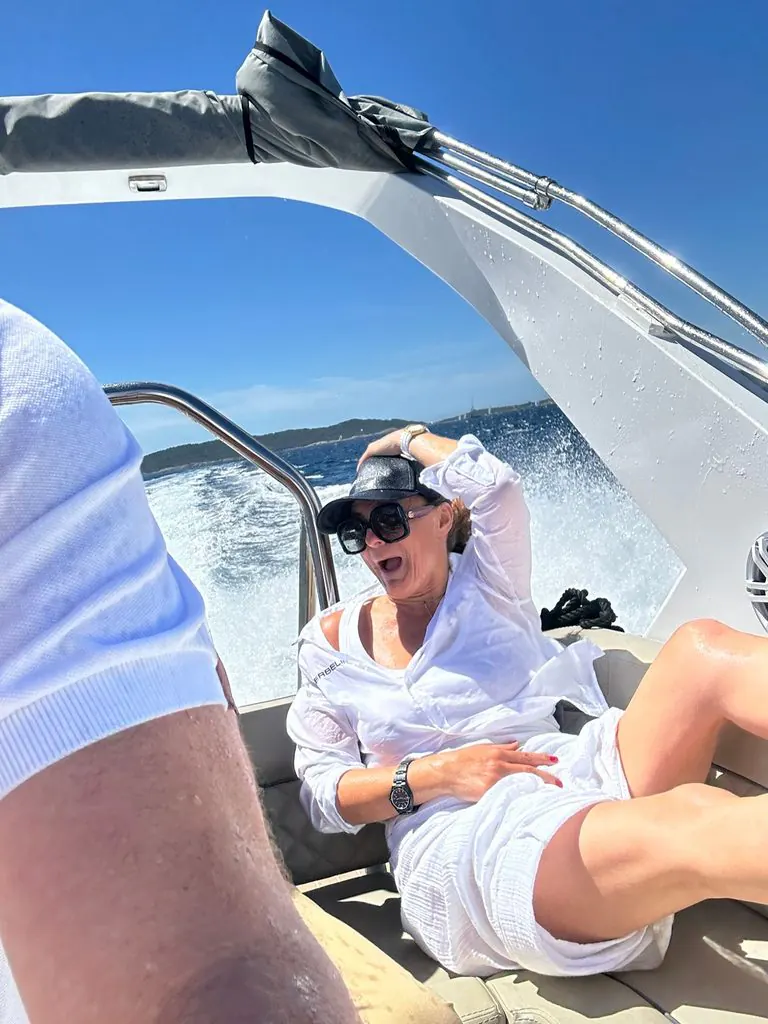
He or she knows the difference between visibility and influence, and builds an action plan suited to each brand’s positioning. He or she looks for the right levers to get audiences interested in the brand and extend its reach. That can be through tailored communication tools, an immersive experience, ambassadors or any other means that respects the brand’s codes.
6. You stand at the crossroads between brands and journalists. What qualities do you expect from each? And how do you see your profession evolving in the age of social media, influencers and artificial intelligence?
The press officer’s job keeps evolving with the arrival of new players and new tools. The key to lasting, in my view, is knowing how to adapt and never stop learning, while keeping a 360-degree vision. In watchmaking and jewellery, we work with journalists and content creators who are as passionate as we are, so the exchange comes easily.
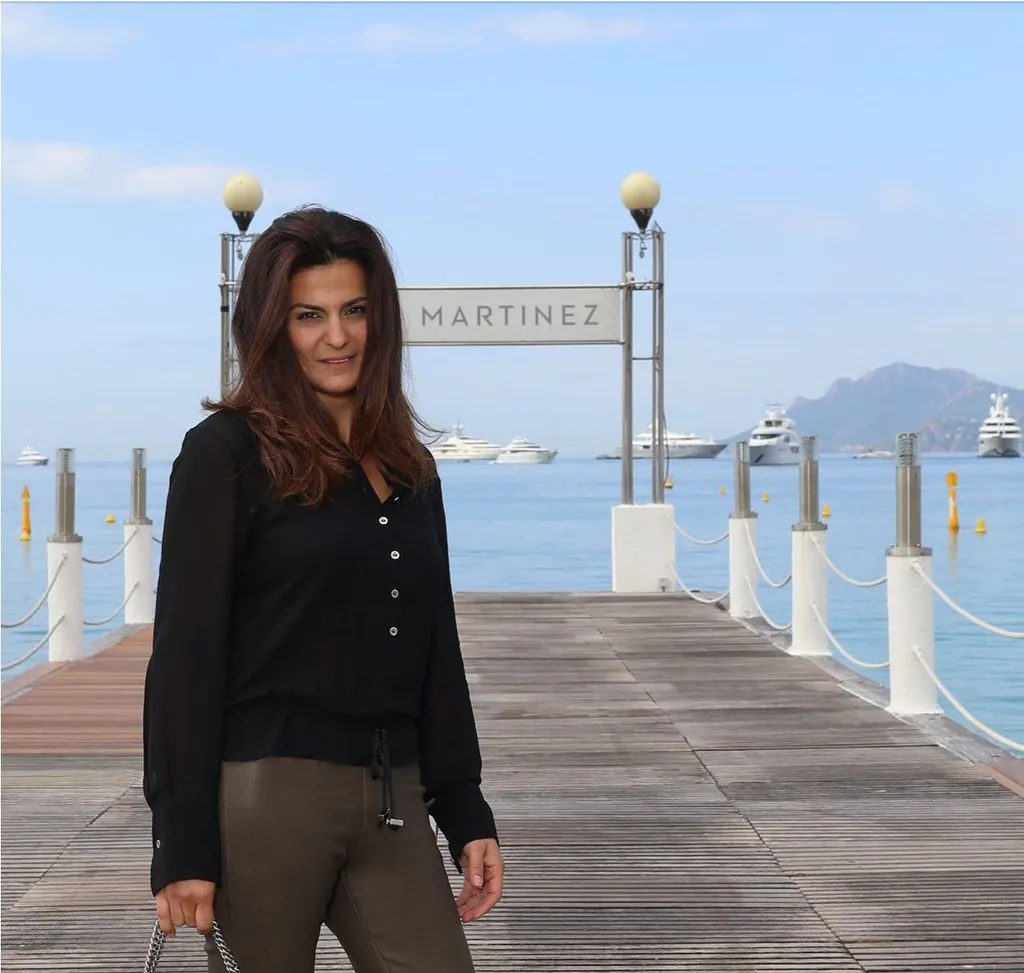
The hardest part today would be bringing AI into professions where craftsmanship and human exchange still hold an essential place. I remain confident, though, because the watch industry has always known how to handle change, and that is precisely why there are still manufactures more than two centuries old today, something you rarely find in other sectors.
7. Over all these years in the luxury world, you must have experienced some extraordinary situations. Which encounter, anecdote or professional moment has left the deepest mark on you, on a human level?
That is a question I cannot answer with complete transparency, out of discretion for the people and houses involved…
But some encounters with celebrities did leave their mark on me, like Pierce Brosnan, during the promotion of a James Bond film, who finished the official launch dinner and then hurried back to his wife, who was unwell and had stayed at the hotel… We love that…
Or Cindy Crawford, who stayed professional right down to the tips of her stilettos at a press conference, even though she had just received bad news that would have devastated anyone… Respect…
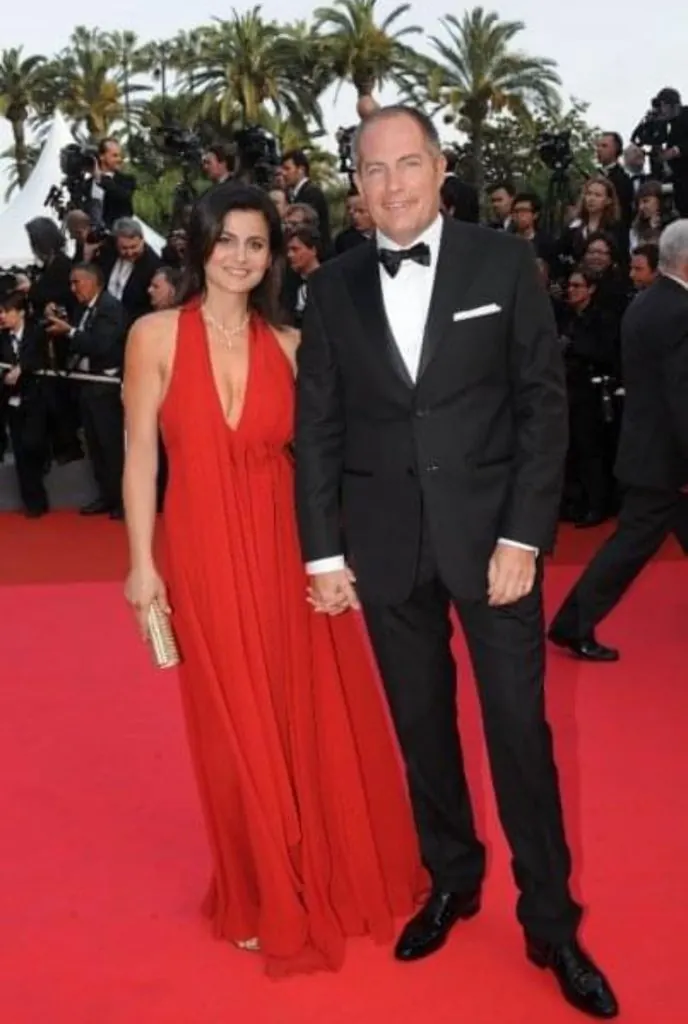
Or Rihanna, whose contract stipulated that our guests could only film the first ten minutes of her showcase… Imagine asking every guest to put their phone down without offending them… That was quite a workout!
With everything I have experienced, I will write a book one day, a collection of anecdotes from my job. And that one may well be unfiltered!
8. Let us leave the professional world for a moment. What are your passions outside luxury and watchmaking? And how do you like to spend the rare moments when your phone stops ringing?
Our relationship with time is very particular, even more so for someone who works with watches! It is the most precious thing I have to give; it is the one thing you can never get back. My most precious moments are the ones I devote to my loved ones: my husband, my mother and my two wonderful daughters, for whom I make time. Being there for the moments when they need me to take their first steps in this world, going away often, even for a few days, together to collect memories, insisting on gathering around a meal as often as possible, even when our schedules differ: that is vital.

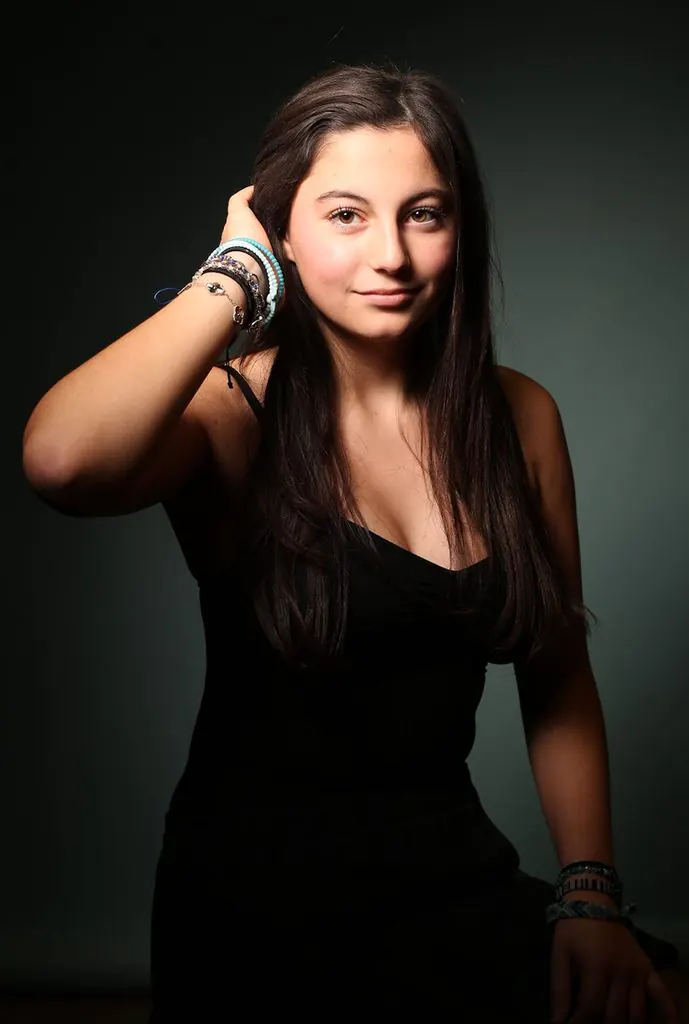
This balance is my foundation and it gives meaning to my life, just as much as the time I devote to the HOPE association, which gives me the feeling of being useful to others.
9. A more indulgent question: what are your favourite dish and wine? And is there a restaurant, in France or elsewhere, that you are particularly attached to?
I love good food and good produce: quality, well-sourced ingredients change the way you perceive taste, and a simple dish shared with the right people becomes the best meal in the world. I have cravings and favourite dishes in every cuisine: French, Lebanese, Italian, Greek or Thai, all the way to Swiss fondue…
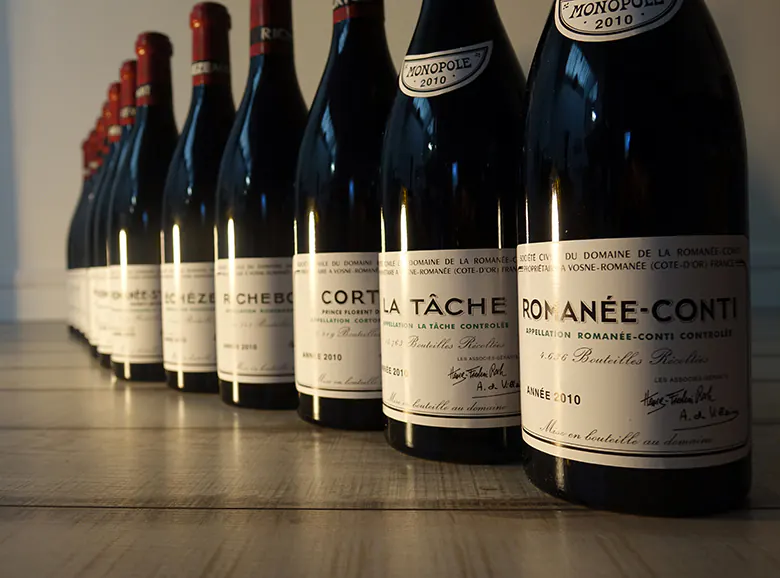
When it comes to wine, I am lucky to have a husband who is passionate about it and introduces me to wonders, to the point that when we have friends over, I plan the menu around the wines he wants to serve… I admit to a preference for Burgundy wines, but I am far from having discovered them all. I drink in great moderation, and there are so many estates…
A few addresses:
- Lebanese: Rimal, 22 avenue George-V or 94 boulevard Malesherbes, in Paris.
- French fine dining: Pur’, by chef Rouquette, at the Park Hyatt, rue de la Paix, in Paris.
- Swiss: the restaurant Le Creux de Genthod, in Geneva, overlooking Lake Geneva.
10. You have worked in the luxury world for many years. But in the end, how would you personally define luxury? And which house, watchmaking or otherwise, embodies it best in your eyes?
Being particularly sensitive to aesthetics, I would define luxury as a set of codes of refinement, a pursuit of excellence and craftsmanship, high quality standards and experiences. Luxury goes far beyond the idea of a product or a high price; it is a combination of skills that create a beauty which stirs emotion. It can take shape in many fields, even if, in my entirely subjective opinion, watchmaking and jewellery excel at it.
Admiring a watch complication and imagining the hours of research, work and finishing, down to the tiniest detail, still moves me as much as ever. I will not name a house, as that would be unfair to the others… High jewellery and couture, with the creative aesthetic that defines them and their search for new techniques, materials and creations, move me just as much.
11. Which figure, historical or contemporary, particularly inspires you? And on a more personal level, which quality do you value most in others, and which flaw are you happy to admit to?
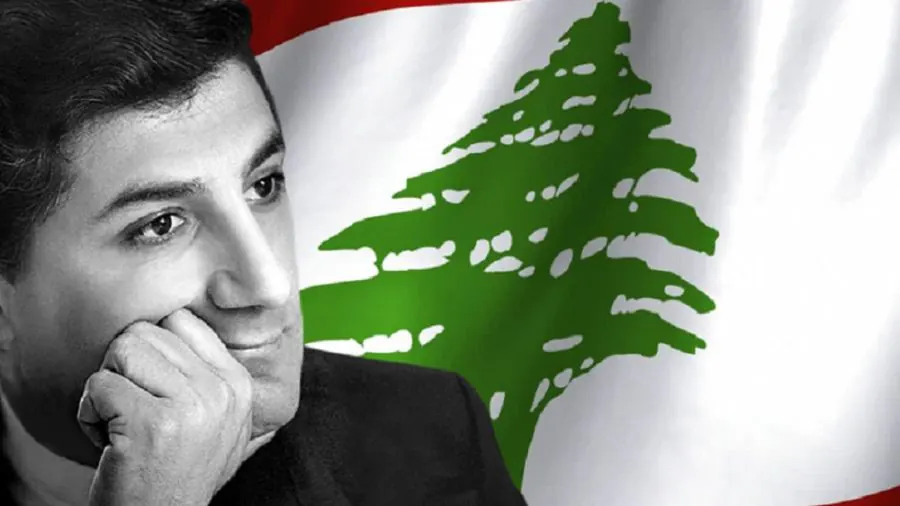
I have always been fascinated by people who follow their convictions all the way, who fight for their cause and dare to stand up and change the world around them, despite the pressure. Rosa Parks refusing the established order, or Simone Veil’s fight for women, for example: I admire them deeply… Or, closer to home, Bachir Gemayel (elected president of the Lebanese Republic, assassinated).
As for my flaws, I admit I am a perfectionist, and sometimes my attention to detail can put pressure on my team. I want the result to live up to our clients’ expectations. I am also very demanding and I do not like mediocrity. I hate sloppy work. Whether you like a task or not, you do it well and you finish it. And if you do not succeed, you start again… I am also very, too independent. It is pressure I put on myself, because if I do not know how to do something, I set about learning it so I can do it on my own. But my tenacity balances out this flaw, because I never give up in the face of difficulty.
12. Finally, true to the tradition of our Who’s Who: what time is it? And if you could treat yourself to a little more time, what would you like to devote it to?
My daughters are growing up and already need me less and less… My ultimate dream would be to work full time for a foundation dedicated to contributing to the well-being of our modern society. To say our world is in a bad way is an understatement… Ideally, initiatives focused on children, to have an impact on the generations of tomorrow.
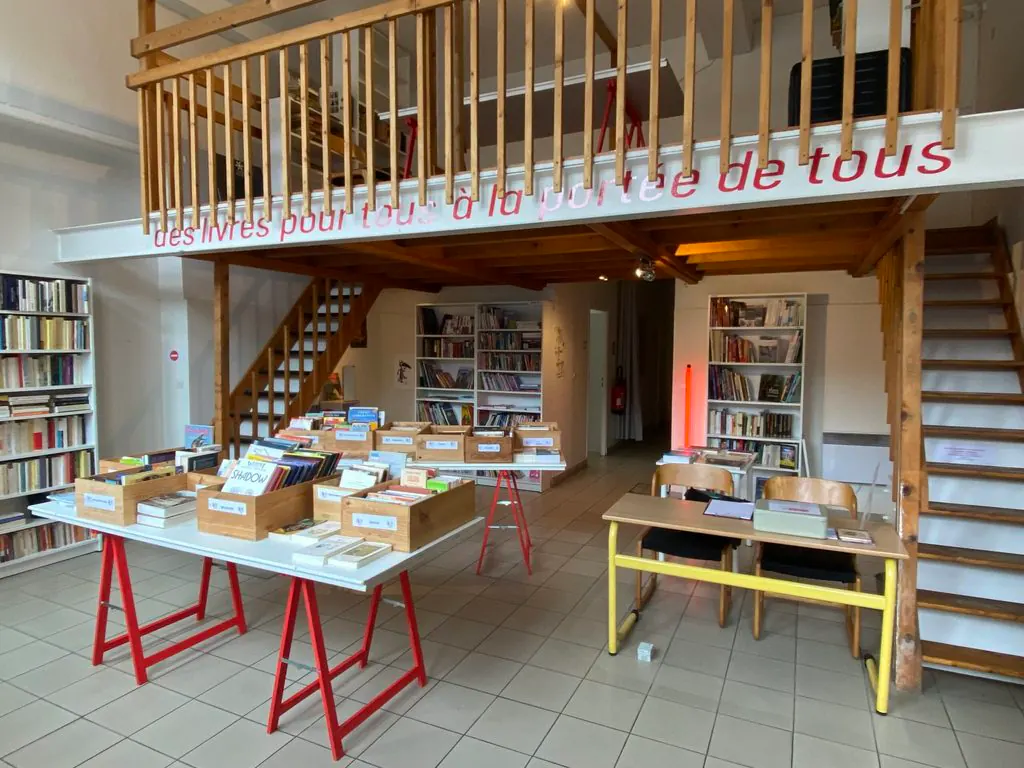
During my studies, I had already launched a project sponsored by UNESCO: together with other students, we managed to collect old books from publishing houses that had brought out updated editions, and through a partnership with a shipping company we sent them by container to the most remote places in the world. That is how the solidarity libraries project came to life. I believe that by educating young people, we can change the future.
But philanthropy requires the luxury of having time…