

The quartz watch has long been reduced to a “practical” alternative to mechanical watchmaking. Yet a technical revolution was carried by this small crystal: formidable accuracy, great everyday reliability, and an unprecedented democratization of the timepiece. This educational article, drawn from the work of students at ISG Luxury Management (Paris) and supplemented by horological resources, aims to provide a clear and solid foundation for understanding what a quartz watch is, how it works, and why it remains central today.
On this page
- What is a quartz watch?
- Why quartz? The role of piezoelectricity
- How a quartz movement works
- Accuracy: why quartz outperforms mechanical
- Battery life and servicing
- The seconds hand that ticks
- The quartz crisis explained
- Can quartz be luxury?
- Advantages and limitations
- Quartz or mechanical: how to choose
- Frequently asked questions
1) What is a quartz watch?
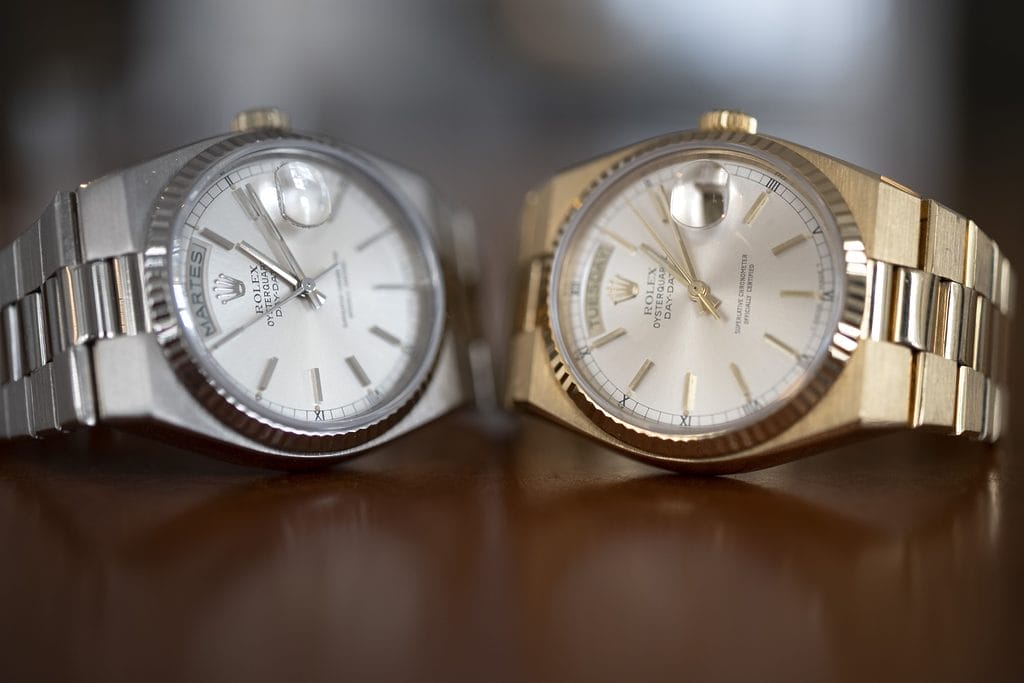
A quartz watch is a watch whose timekeeping is regulated by the vibrations of a quartz crystal, sustained by the energy of a battery. An electrical voltage makes the quartz vibrate at very high frequency, and this frequency is then converted into regular pulses that drive the display.
One essential point must be made from the outset: a quartz watch is electric, but it is not necessarily “digital.” A hand-based display is very common (and works perfectly with a quartz movement).
2) Why quartz? The role of piezoelectricity
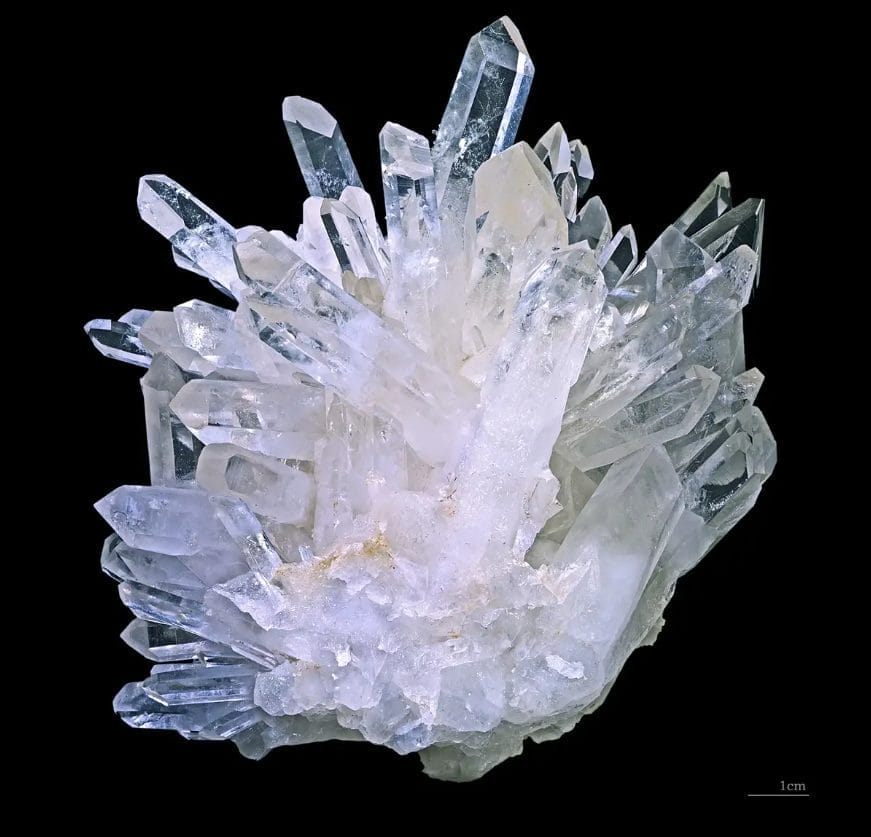
Quartz is used because it has piezoelectric properties: when a voltage is applied, a deformation and then a vibration can be induced. It is this very stable vibration that serves as the reference for measuring time.
For teaching purposes, quartz can be compared to an “electronic metronome”: it imposes an extremely regular rhythm, to which the entire movement aligns itself.
3) How a quartz movement works (step by step)
How it works can be understood by following a simple chain, from the “current” to the “display”:
- The battery supplies the energy.
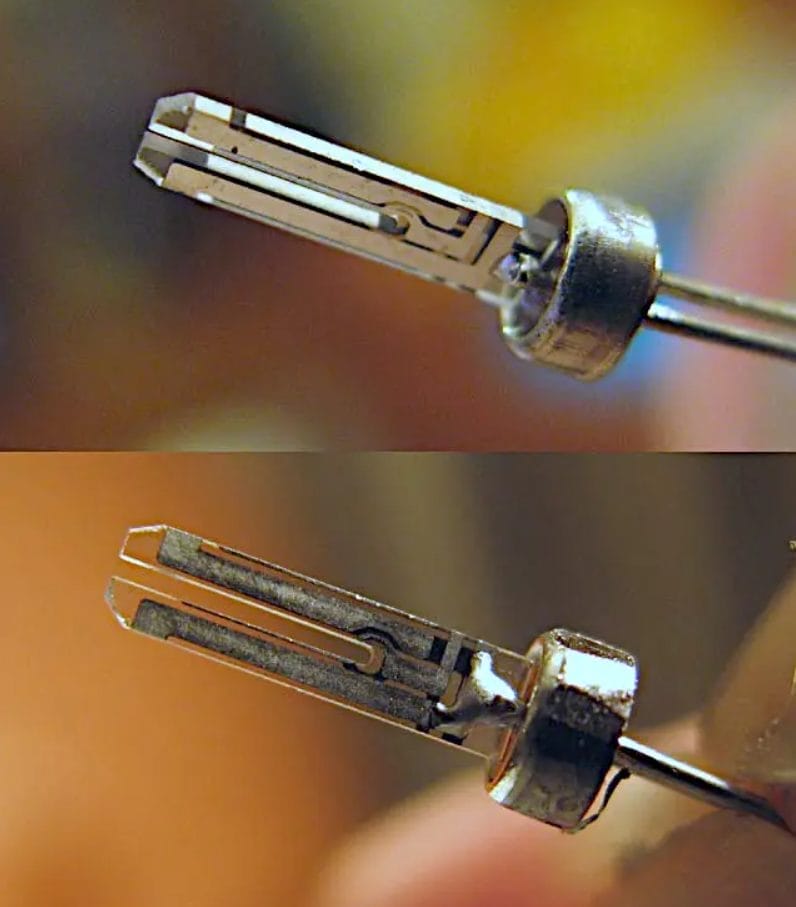
- The quartz (often shaped like a tuning fork) is set into vibration.
- The electronic circuit counts these vibrations and converts them into regular time pulses.
- The most common “standard” frequency is 32,768 Hz, that is 32,768 vibrations per second.
- A frequency divider then halves this value, 15 times in a row, until obtaining a signal of one pulse per second (1 Hz).
- A stepper motor finally converts this electrical pulse into mechanical motion, which advances the hands via a gear train, or drives a digital display.
Two main families of display exist:
- Analog: hands are driven, generally via a stepper motor.
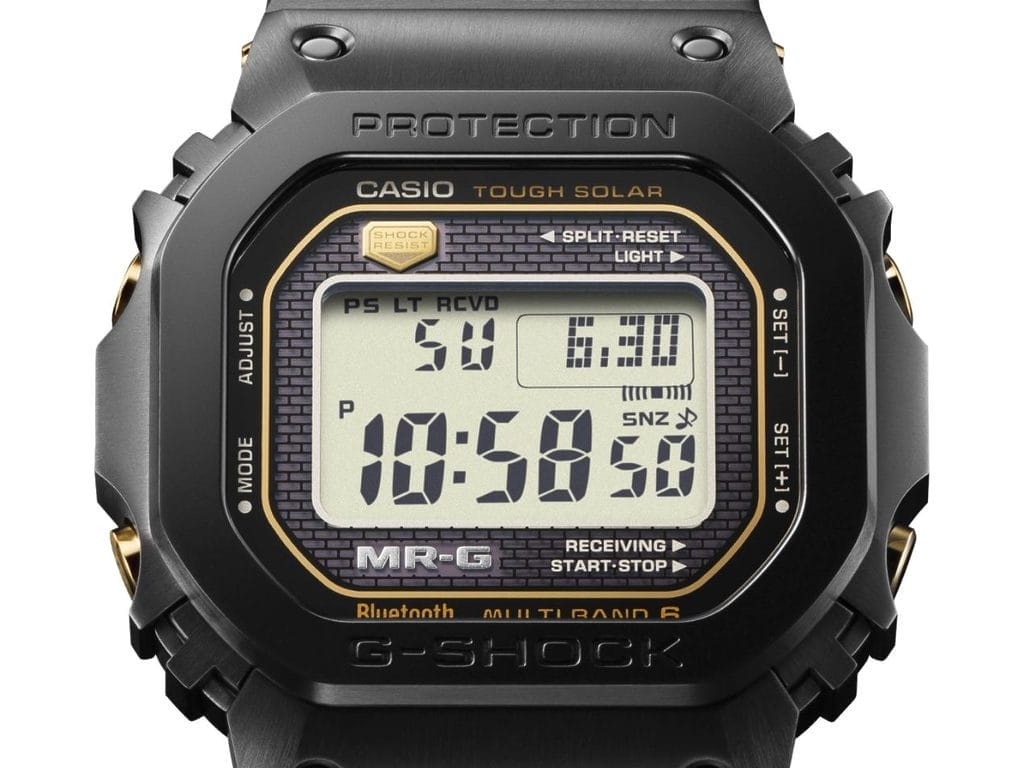
- Digital: an LCD display receives the necessary pulses directly.
4) Accuracy: why quartz “outperforms” mechanical
A quartz movement is reputed to be more accurate because its oscillator vibrates at a very high frequency (32,768 vibrations per second), which stabilizes timekeeping. In everyday use, a drift of a few seconds per month is common.
Two factors must nonetheless be kept in mind:
- Temperature can influence the rate (a quartz watch can run fast or slow depending on conditions), hence the value of compensated solutions.
- The quality of the caliber (and its tolerances) affects real-world performance.
It is at this level that more advanced variants appear:
- Thermocompensated quartz: temperature stability is improved to gain even more accuracy.
- Radio-controlled quartz: regular synchronization with a very precise reference is used.

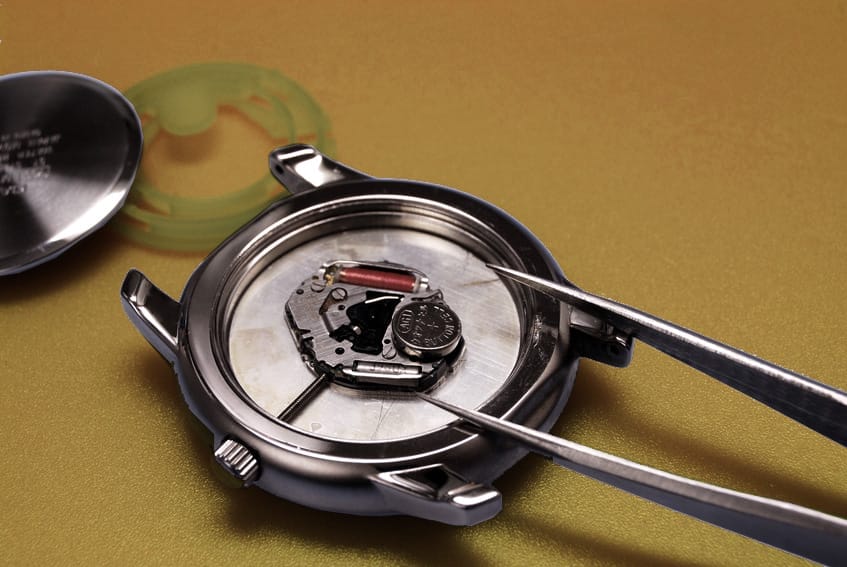
5) Battery life and servicing: what you need to know (without the clichés)
One of the advantages of quartz is its low energy consumption. A battery can last several years, because the quartz oscillator consumes little power and the system does not need a mechanical escapement.
In practice, the battery must be replaced periodically (often between 1 and 5 years depending on the watch, its functions and use).
One point of caution is essential: replacing the battery is not a neutral operation, because water resistance can be impaired if the gaskets are not checked and replaced when necessary. A visit to a watchmaker is generally recommended, especially for watches designed to resist water.
6) The seconds hand that “ticks”: a detail that says a lot
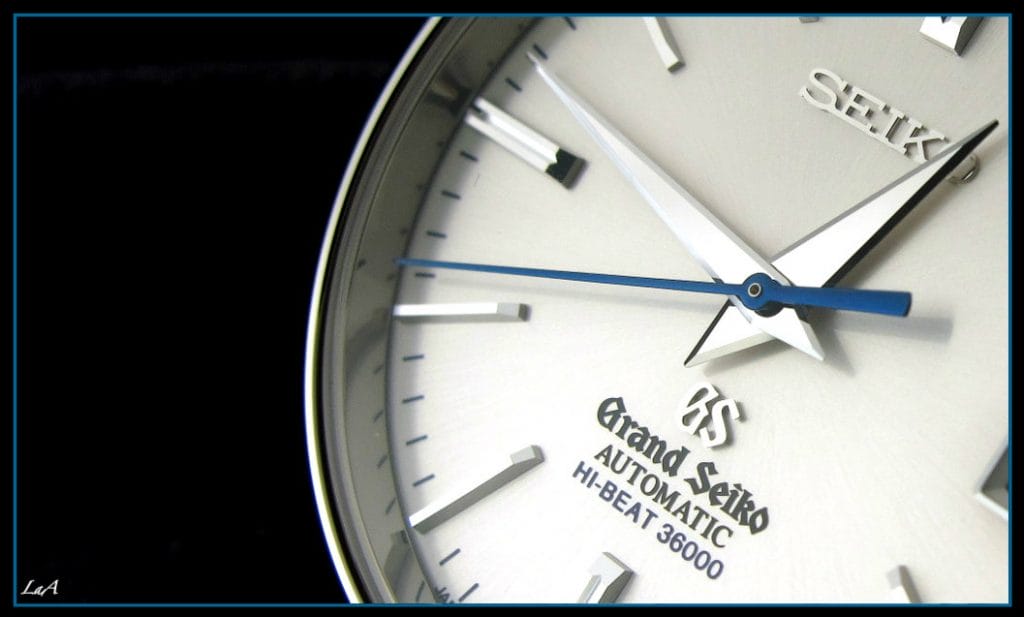
On a large share of hand-based quartz watches, the seconds hand advances in one-second jumps: this is the direct consequence of the 1 Hz signal sent to the stepper motor. This detail is useful for understanding the logic of quartz: time is first “counted” as pulses, then transformed into a display.

Conversely, the smoother gliding of a mechanical seconds hand comes from an escapement system and a different oscillation frequency, expressed in beats per hour.
7) An industrial revolution: the “quartz crisis” explained simply
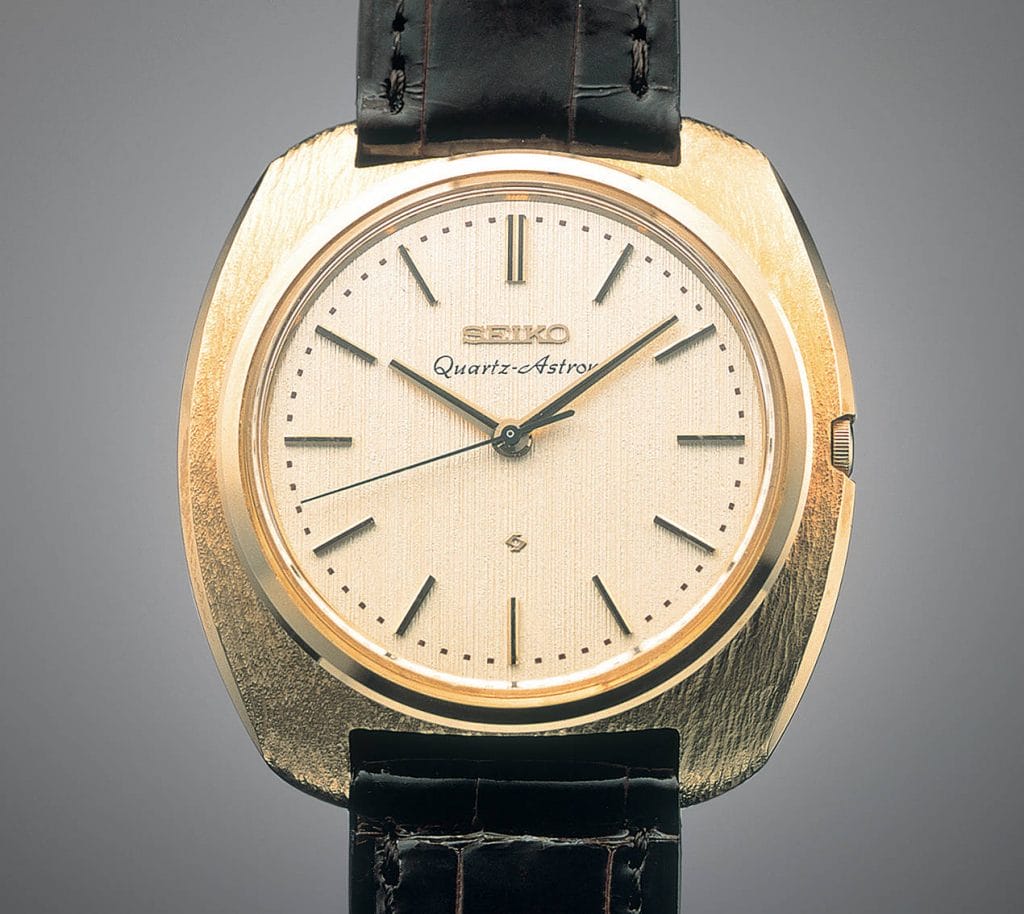
Quartz transformed watchmaking in the 20th century, particularly when the technology was miniaturized for the wrist and industrialized on a large scale. More accurate and often less expensive to produce, quartz caused a major shock for a Swiss industry historically centered on mechanical watchmaking: this is commonly referred to as the “quartz crisis.”
Beyond the figures, the cultural consequence is major: reliable and accurate timekeeping became accessible to the greatest number. And it is to Seiko, first and foremost, that we owe this horological revolution, with the launch of the Astron on December 25, 1969.
8) Can quartz be “luxury”? Yes, and it is often misunderstood
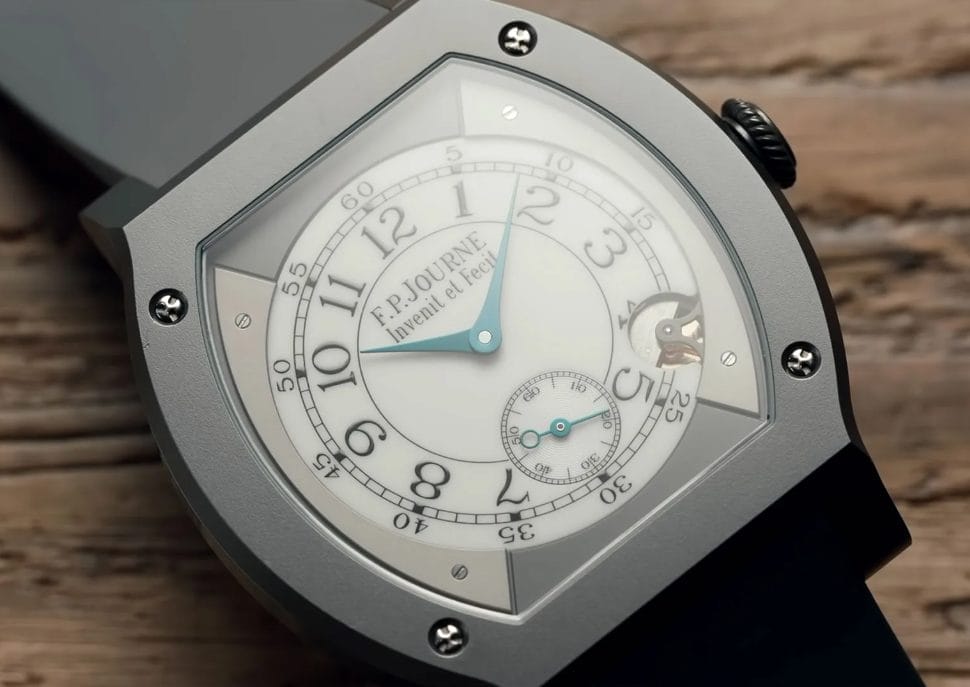
Quartz is sometimes reduced to a “cheap” technology. Yet there are high-end quartz watches, and significant work can be invested in the design of the caliber, its stability, its thermal compensation, its assembly quality and its finishing.
In other words: the presence of electronics prevents neither quality, nor exacting standards, nor horological legitimacy. Everything depends on the movement’s level of development, the objectives pursued and the watch’s positioning.
9) Advantages and limitations: the honest assessment (and useful for choosing)
Frequently cited advantages:
- High accuracy (often expressed in seconds per month)
- Robustness and easier everyday use
- Possible slimness (compact architecture, relevant for certain dress watches)
- Practicality (fewer constraints if the watch is not worn for several days)
Limitations to factor in:
- Battery to replace (with the risk of forgetting)
- Repairability varies depending on the failure (sometimes module replacement)
- Perceived as “less emotional” by some enthusiasts, compared with traditional mechanical watchmaking
10) Quartz or mechanical: how to choose, in practice?
The choice is not only technical: it depends on use and expectation.
- For a watch worn as a “tool” (work, sport, travel, rotating between watches), quartz is often relevant for its accuracy, robustness and simplicity.
- For a more “heritage” relationship (tradition, transmission, servicing, fascination with the movement), mechanical retains a particular appeal, provided you accept a servicing constraint and more variable accuracy.
- For a mixed collection, quartz can play a balancing role: a reliable watch, always on time, always immediately available within a rotation of timepieces.
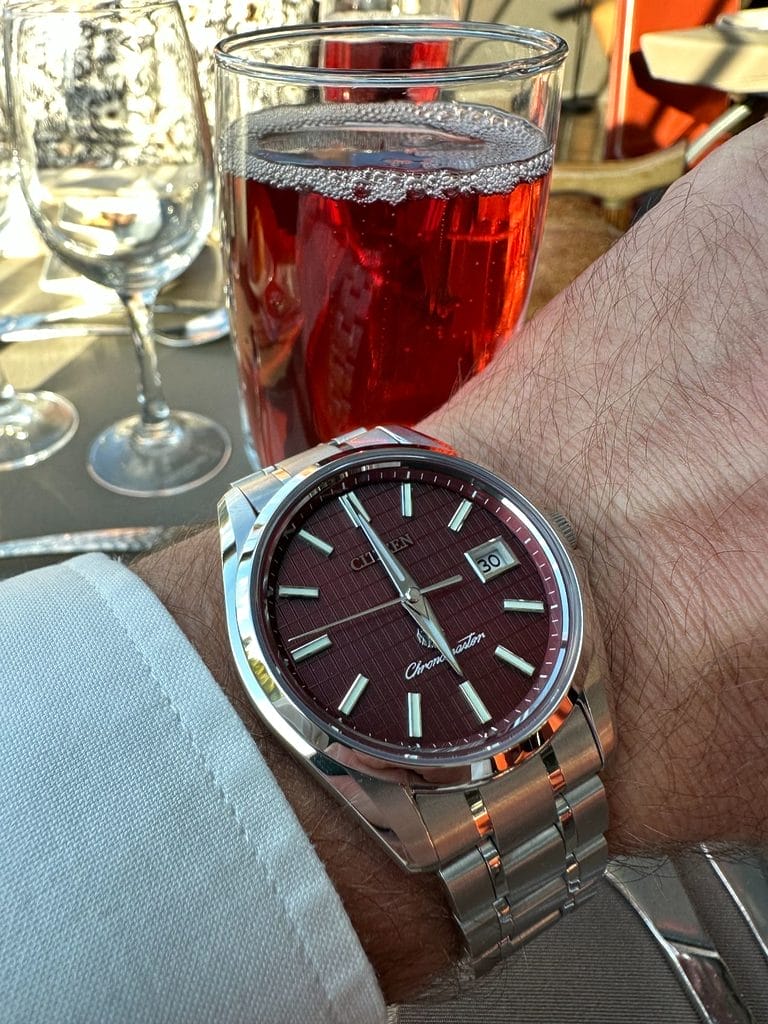
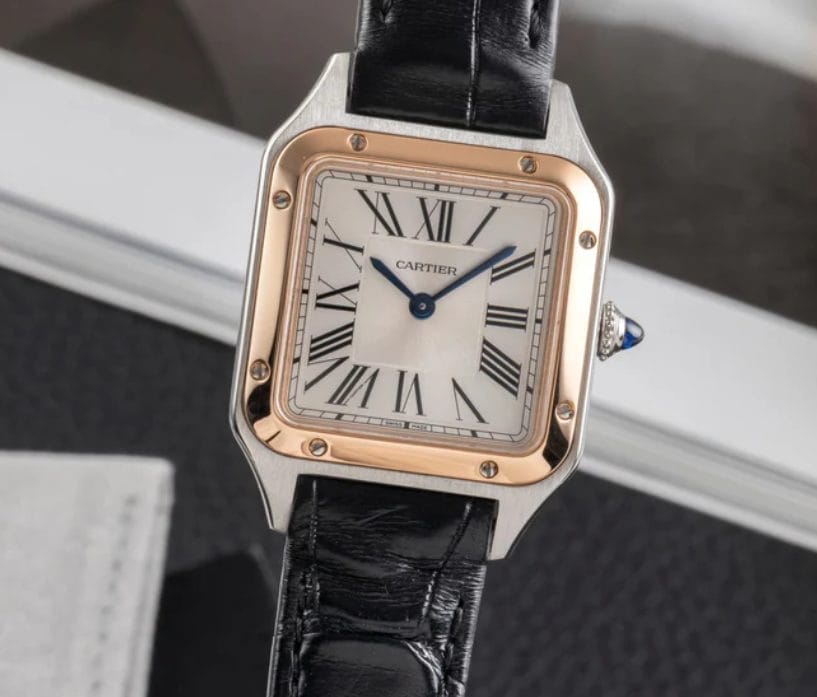
A quartz watch is neither merely a “battery watch” nor a “soulless” watch. A very elegant engineering solution is at work: a stable crystal, a high frequency, a precise division, then a rigorously controlled display. Quartz transformed the watchmaking industry, spread access to accuracy, and continues to exist at every level, including in high-end expressions, as FP Journe, Patek Philippe, Cartier, Grand Seiko, or The Citizen can attest.
Frequently asked questions
A quartz movement is an electric movement whose timekeeping is regulated by the vibrations of a quartz crystal, powered by a battery. The crystal usually vibrates at 32,768 Hz, and this signal is divided to drive the display.
The quartz watch runs thanks to a high-frequency electronic oscillator powered by a battery, while the mechanical watch is driven by a mainspring that transmits its energy to a balance wheel via an escapement. Quartz is more accurate; mechanical is more heritage-oriented and requires regular servicing.
The first quartz wristwatch is the Seiko Astron, launched on December 25, 1969. This Japanese innovation marked the start of a worldwide horological revolution.
The quartz crisis refers to the shock suffered by the Swiss watchmaking industry from the 1970s onward, when quartz technology, more accurate and less expensive to produce, democratized access to the timepiece and upended an industry historically centered on mechanical watchmaking.
No, quartz is sometimes wrongly reduced to a “cheap” technology. Brands such as FP Journe, Patek Philippe, Cartier, Grand Seiko or The Citizen produce high-end quartz watches with elaborate calibers, thermal compensation, finishing and exceptional assembly.
The battery of a quartz watch generally lasts between 1 and 5 years depending on the caliber, its functions and use. Replacement should ideally be carried out by a watchmaker to preserve water resistance (gasket inspection).
In everyday use, a quartz watch drifts by a few seconds per month. Thermocompensated versions such as the Grand Seiko 9F85 caliber display a claimed accuracy of ± 10 seconds per year, far superior to a standard mechanical watch.
As part of our series of educational articles published with the help of students from ISG Luxury Management in Paris, find presentations of the Fondation de la Haute Horlogerie, by Amandine Saez, and of automatic-winding mechanical watches, by Eden Chastres.
