The Oyster by Rolex has, from its very origins, been a watch of superlative performance. The notion of the Superlative Chronometer, formulated since the late 1950s and inscribed today on the dial of every Oyster, is now reinforced through a Rolex certification that is more demanding than watchmaking standards and applied to 100% of the brand’s watches.
On this page
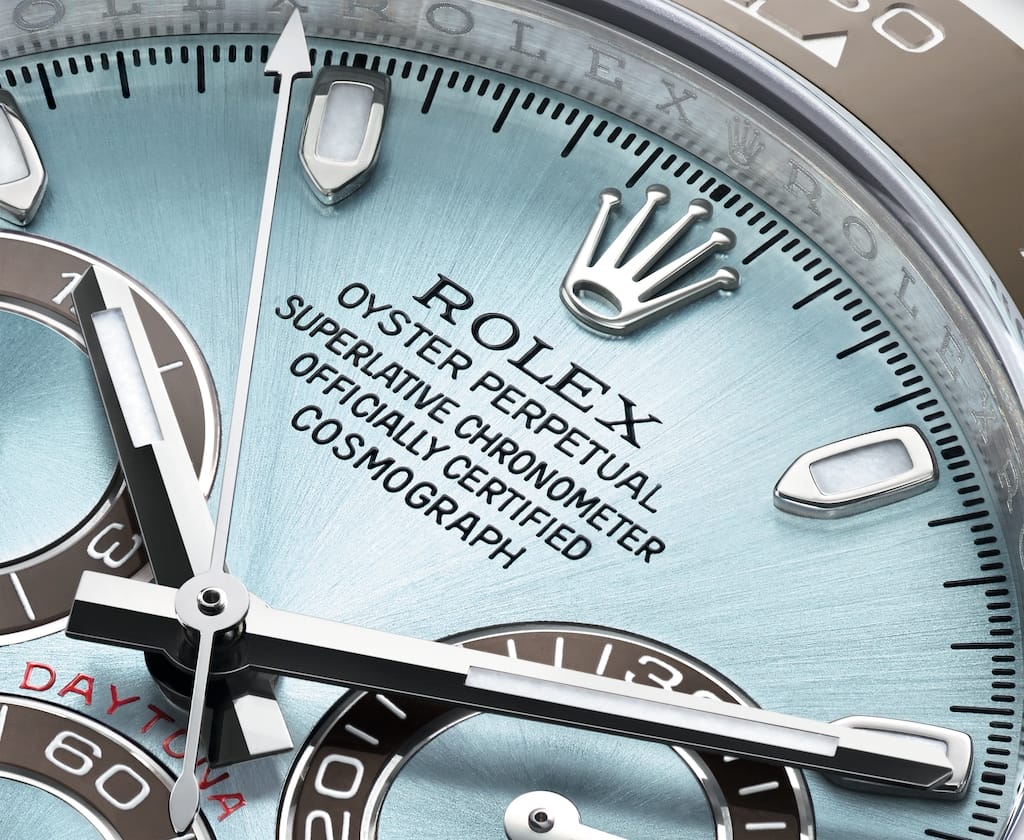
The criteria that have made Rolex watches “Superlative Chronometers” since the late 1950s were reinforced in 2015 to establish a new standard of excellence in mechanical watchmaking. Rolex developed unrivalled testing methodologies and new high-technology equipment to certify all of its watches and award them Superlative Chronometer status. This exclusive title attests that each watch has successfully undergone a series of specific final controls carried out by Rolex in its own laboratories and according to its own criteria, more demanding than watchmaking standards, in addition to the official COSC certification of its movement.
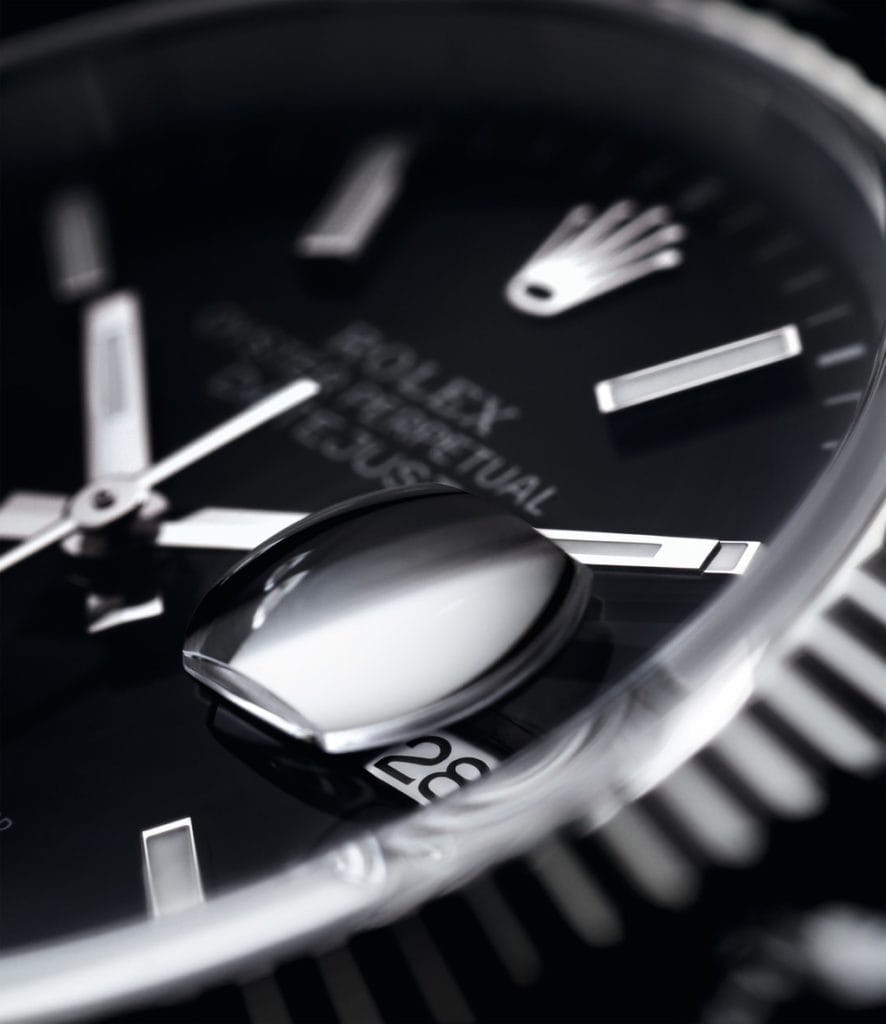
This certification covers the watch as a whole, once the movement is cased, in order to guarantee superlative performance on the wrist in terms of precision, water resistance, self-winding and autonomy. The on-the-wrist precision of a Rolex Superlative Chronometer is thus on the order of –2/+2 seconds per day, more than twice that required of an official Chronometer. Moreover, this precision is tested by Rolex according to an exclusive methodology that simulates real wearing conditions, more representative of the customer’s everyday experience.

The Superlative Chronometer certification also encompasses the watch’s water resistance, which protects the movement from water but also from all external elements that would compromise its precision, as well as the self-winding and the autonomy of the movement, guarantees of a watch that continues to run precisely over time.
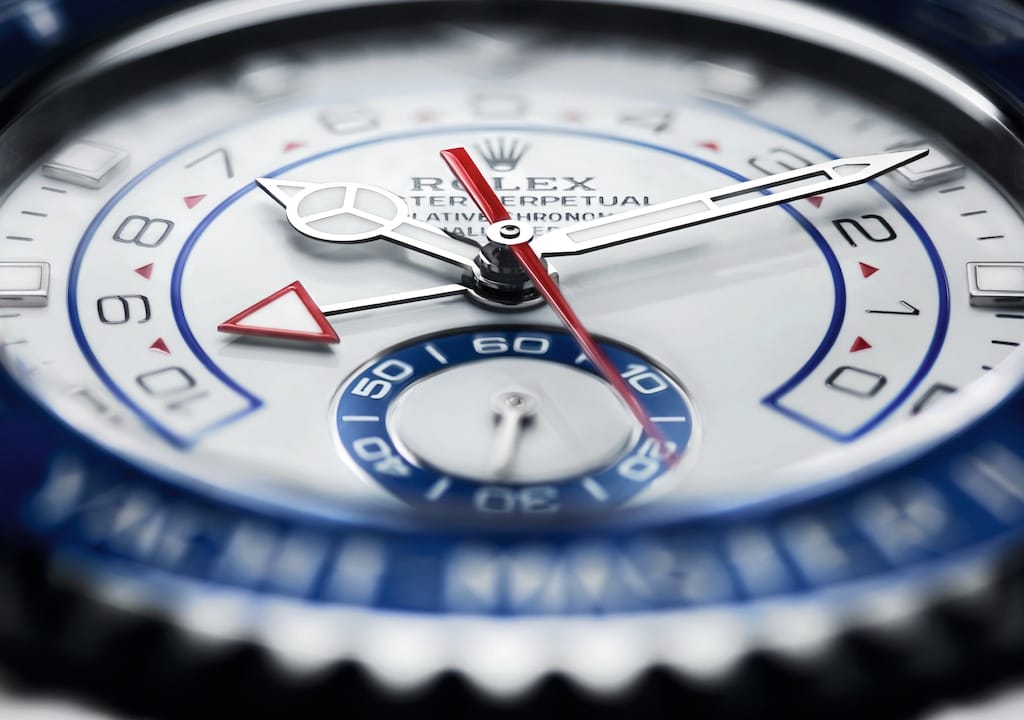
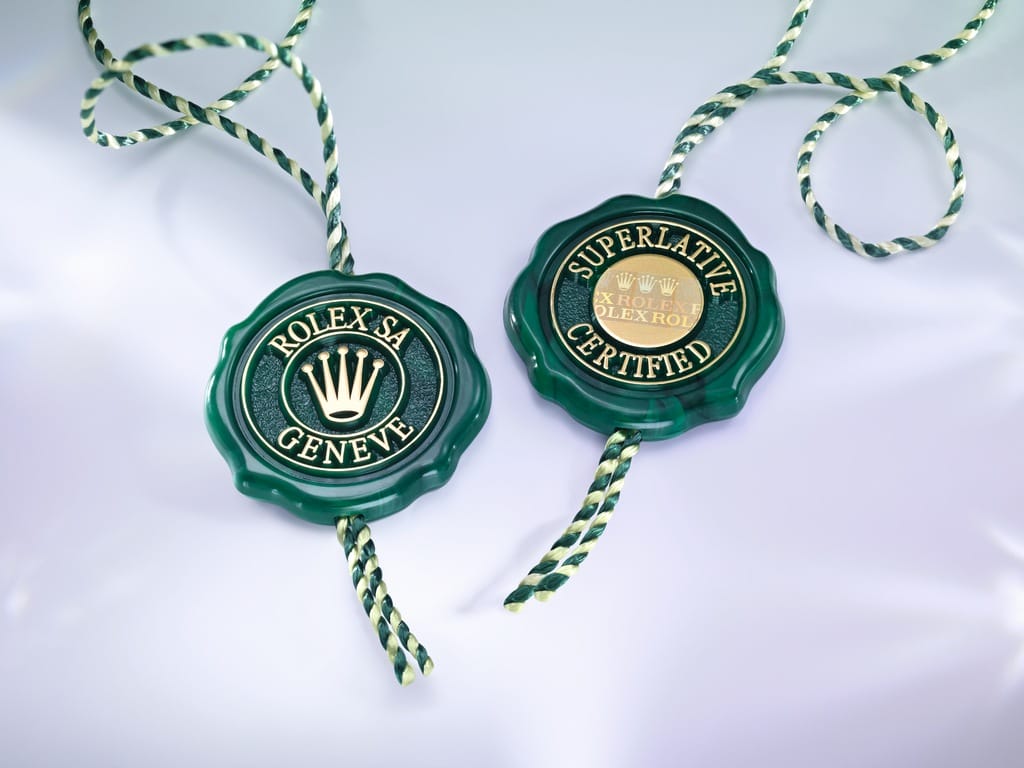
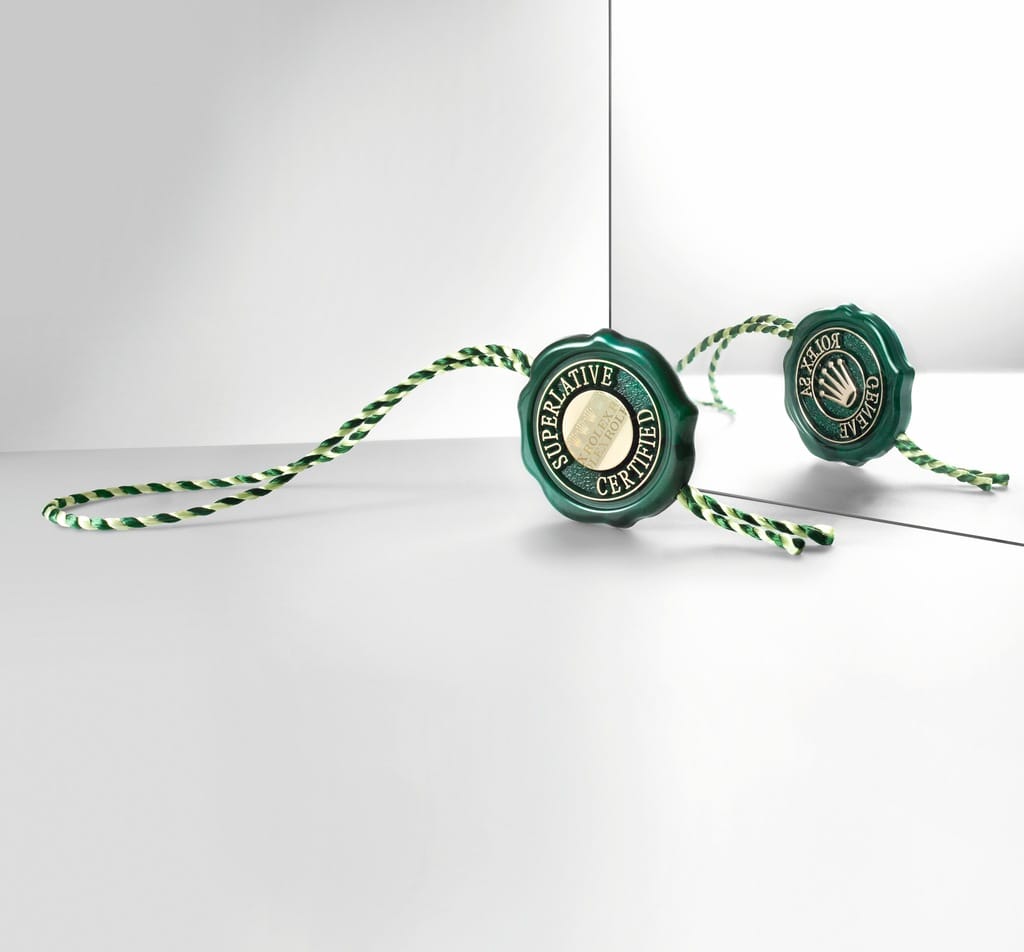
The final controls systematically complete the qualification tests carried out beforehand during the design and manufacture of the watches, to guarantee their reliability, robustness and resistance to magnetic fields and shocks. Superlative Chronometer status is symbolized by the green seal that accompanies each Rolex watch and comes with a five-year international guarantee.
The criteria of the superlative chronometer certification
The Superlative Chronometer certification controls and guarantees, for each Rolex watch, the key performance attributes liable to vary during the manufacturing process: precision, water resistance, self-winding and power reserve. All the tests are carried out on the watches after casing of the movement, as they will be worn by the end customer. They are performed according to exclusive methodologies on high-technology, fully automated equipment developed by Rolex.
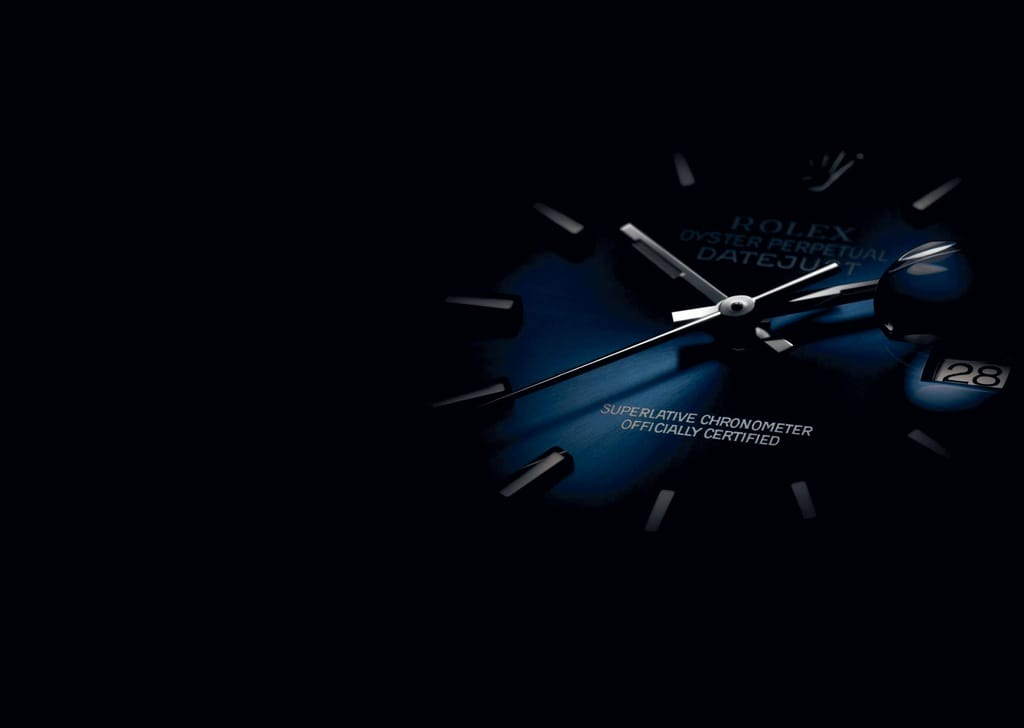
Precision
Each movement is submitted to the official certification of the COSC (Contrôle Officiel Suisse des Chronomètres), which tests them for fifteen days and fifteen nights according to seven eliminatory criteria, in five static positions and at three temperatures. All Rolex movements thus obtain an official Swiss Chronometer certificate.
After casing of the movement (an operation that can affect precision by several seconds per day), Rolex tests the precision of each watch over a 24-hour cycle, in seven static positions as well as by dynamic rotating storage, according to an exclusive methodology that simulates real wear. The tolerance criteria are far stricter than the official certification as regards the average daily rate, that is the precision perceived by the wearer on a daily basis. This must not exceed –2/+2 seconds per day, on the wrist, for a Rolex Superlative Chronometer, compared with –4/+6 seconds per day, for the movement alone, required by the COSC.
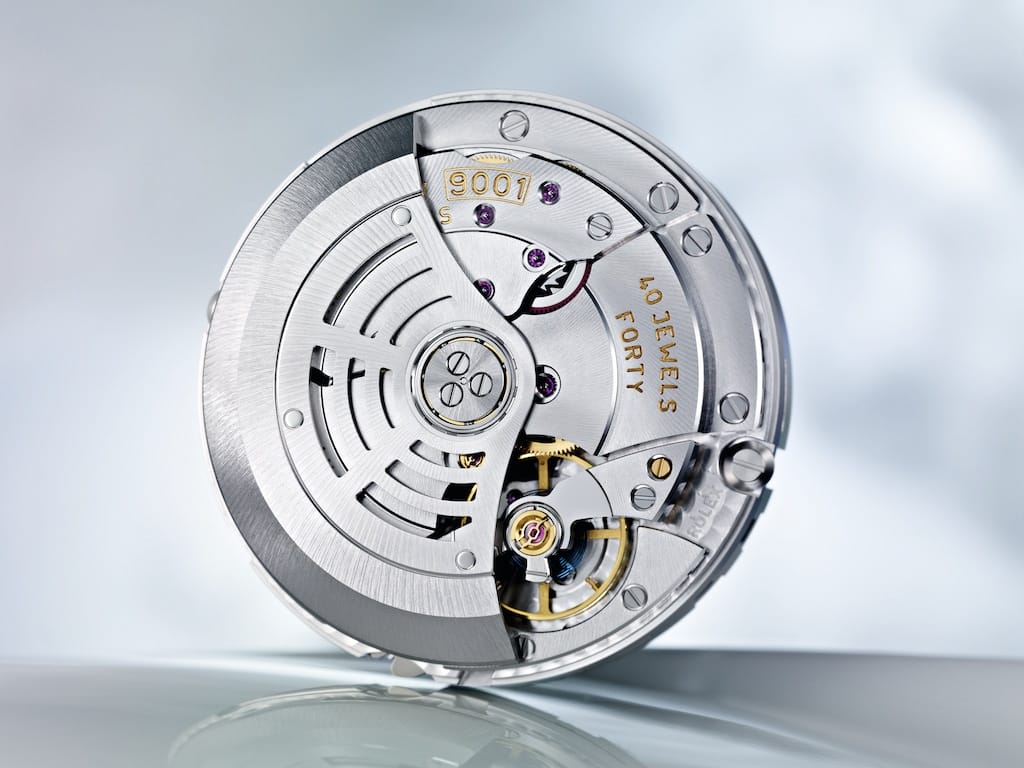
Water resistance
The water resistance of each watch is tested a first time by air overpressure, then in water in hyperbaric tanks. Watches that are water-resistant to 100 metres are tested at a pressure that is 10% higher, while diving watches – water-resistant to 300, 1220 and 3900 metres – are tested with an additional 25% safety margin. Both the air tests and the water tests follow an exclusive methodology developed by Rolex for extremely precise and reliable results.
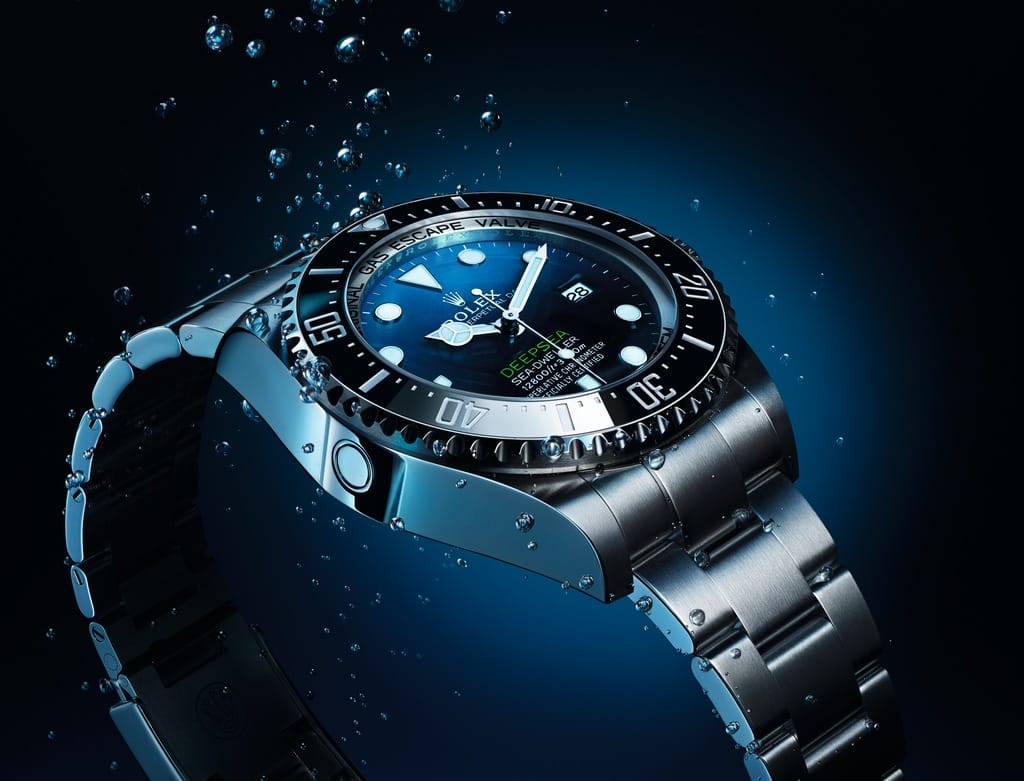
Self-winding
The winding power of the “Perpetual” self-winding module is checked according to an exclusive method to ensure that all the components interact optimally and suffer no obstruction or friction following casing.
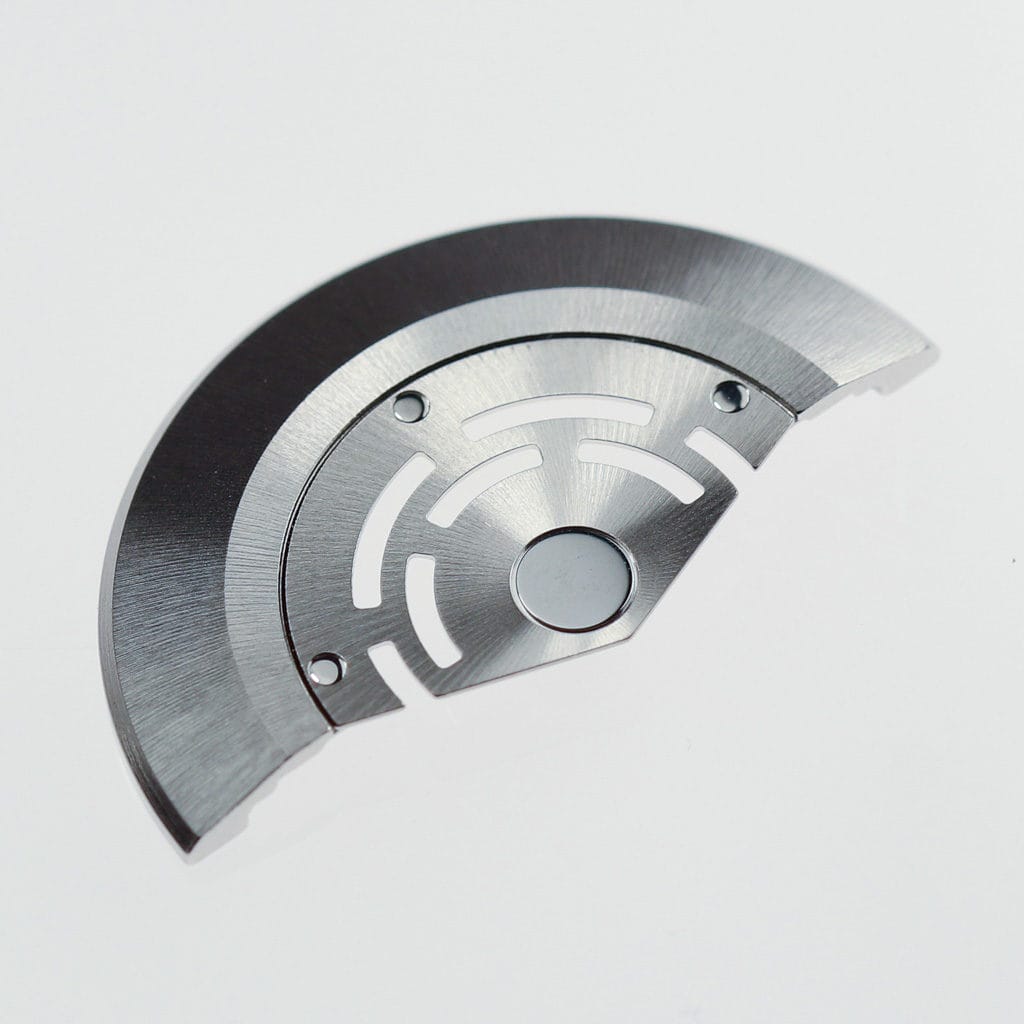
Power reserve
All the watches are fully wound at the start of the tests and their power reserve is checked according to the specifications of the different movements by determining how long the watch ran before stopping.
A Rolex signature
The designation “Superlative Chronometer Officially Certified” inscribed on the dial of every Oyster is a true signature of Rolex watches. Formalized in the late 1950s, it can nonetheless be regarded as the symbol of the brand’s relentless quest for chronometric excellence, given the pioneering role played by Rolex in developing the precision of wristwatches from the early 20th century.
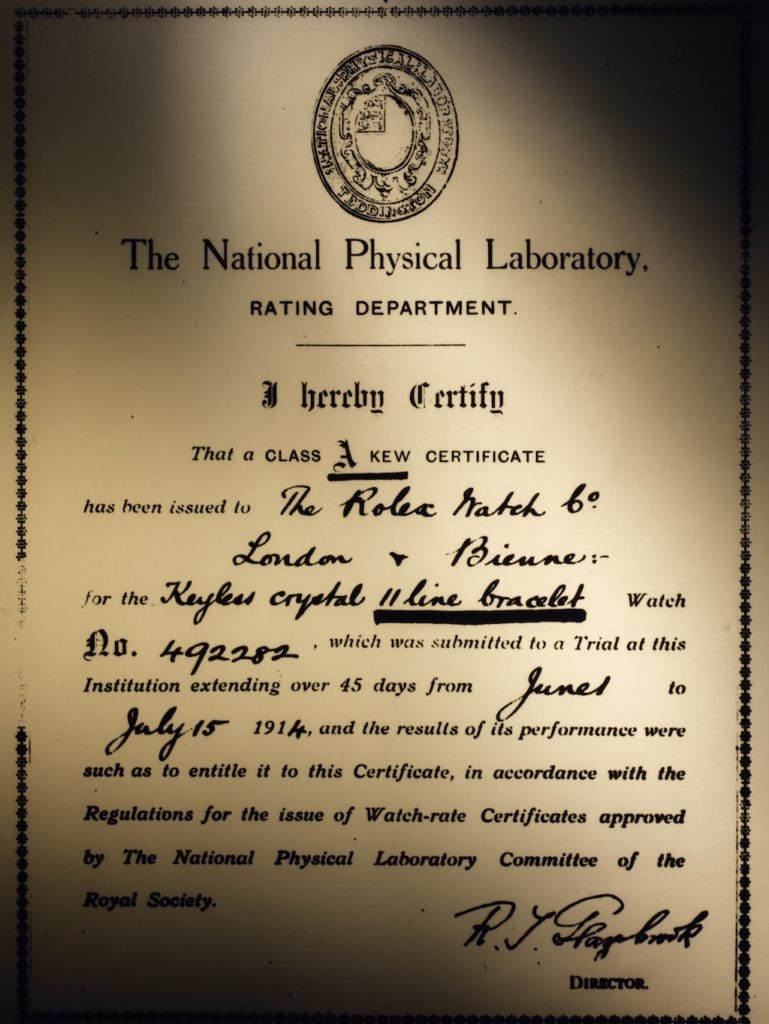
In 1910, Rolex obtained in Switzerland the first official Chronometer certificate ever delivered to a wristwatch. In 1914, a similar Rolex wristwatch obtained the first class “A” certificate from the famous Kew Observatory in England, the world’s highest authority on precision, responsible for certifying marine chronometers. Rolex’s invention of the Oyster in 1926, the world’s first waterproof wristwatch, was aimed first and foremost at protecting the high-precision movement from external elements.
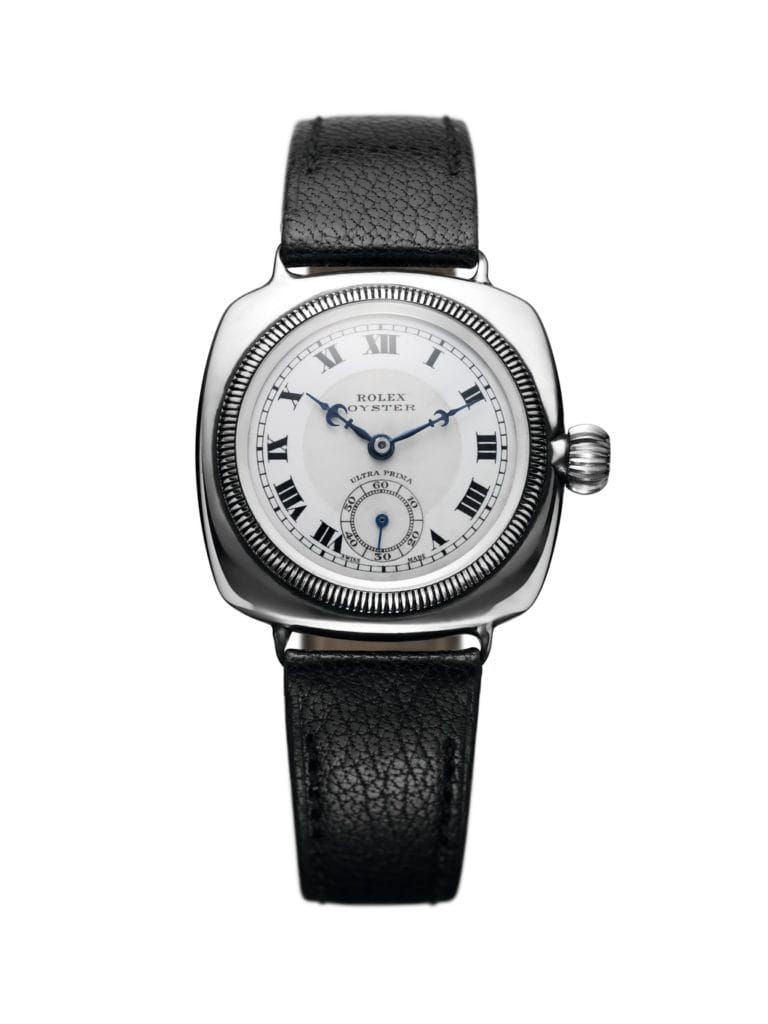
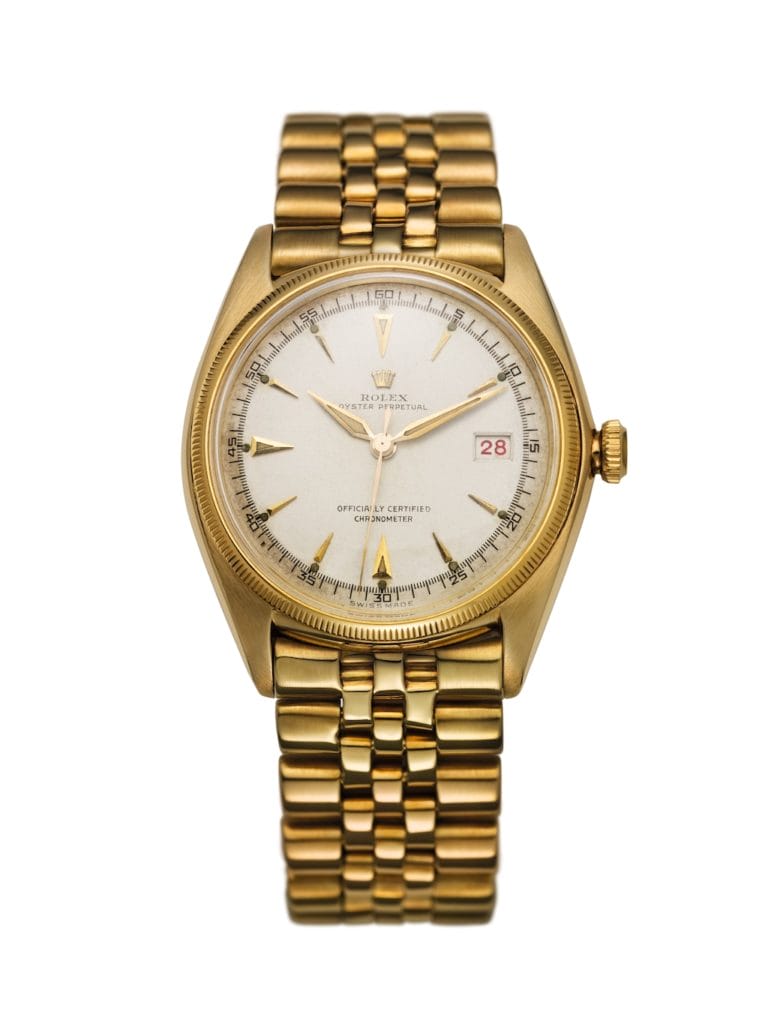
The inscription on the dial of Rolex watches has evolved over time to reflect this quest for precision. From “Chronometer”, it would notably pass through “Officially Certified Chronometer” in the late 1930s, before taking its definitive form of “Superlative Chronometer Officially Certified” some twenty years later. These various formulas testify to Rolex’s continual innovation to guarantee the highest degree of precision in its watches over time and to perpetuate the excellence of the Oyster.
Officially certified chronometer
But let us first recall what a Chronometer is, namely a high-precision watch officially certified for its ability to measure time without deviating from the exact hour by more than a few seconds per day. Today, among the seven eliminatory criteria, the maximum tolerance for men’s mechanical calibers is 4 seconds slow or 6 seconds fast per day. This precision is attested by an independent body after drastic tests over fifteen days and fifteen nights. A movement that meets the criteria then receives a Chronometer certificate delivered, in Switzerland, by the Contrôle Officiel Suisse des Chronomètres (COSC).

But it was not always so. Historically, the regulations on the Chronometer designation were quite different. The official definition was: “A precision watch […] able to obtain an official rate certificate.” A Chronometer could thus be certified by the manufacturer itself. To guarantee the quality of its Chronometers, Rolex set out to have them officially certified. To mark this difference, the mention “Officially Certified Chronometer” would appear on dials as early as the late 1930s.

Superlative precision
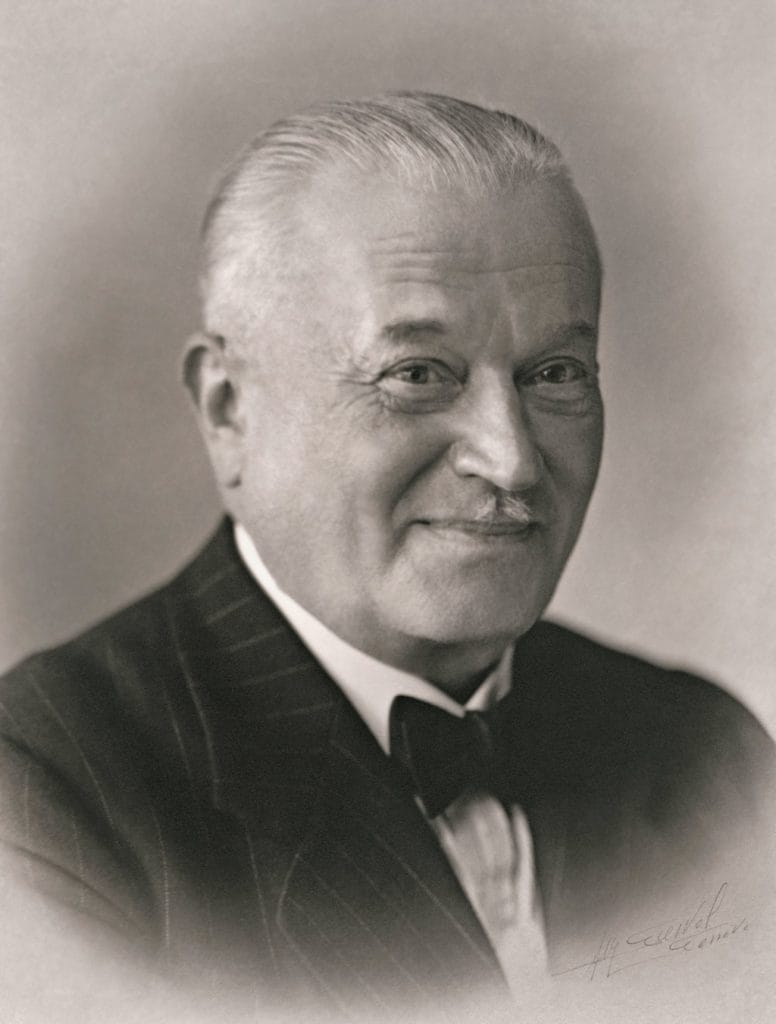
In 1951, the official certification of Chronometers became mandatory. A victory for Rolex which, at that time, accounted for nearly 90% of all officially certified Chronometers since 1927. At the same time, the brand created a red seal to accompany each watch, bearing the mention “Officially Certified Chronometer”. But to continue to distinguish its Chronometers, Rolex relied on another differentiating attribute, namely obtaining a certificate with distinction. Indeed, under the old regulations, movements that demonstrated superior precision during the tests received a certificate with the mention “particularly good results”. From the early 1950s, Hans Wilsdorf, the founder of Rolex, would make obtaining certificates with distinction his new rallying cry. A requirement that would grow until, in January 1959, he wrote: “We have now reached a point that will require obtaining all our certificates with distinction!” And he concluded: “This is how Rolex’s prestige will increase.”
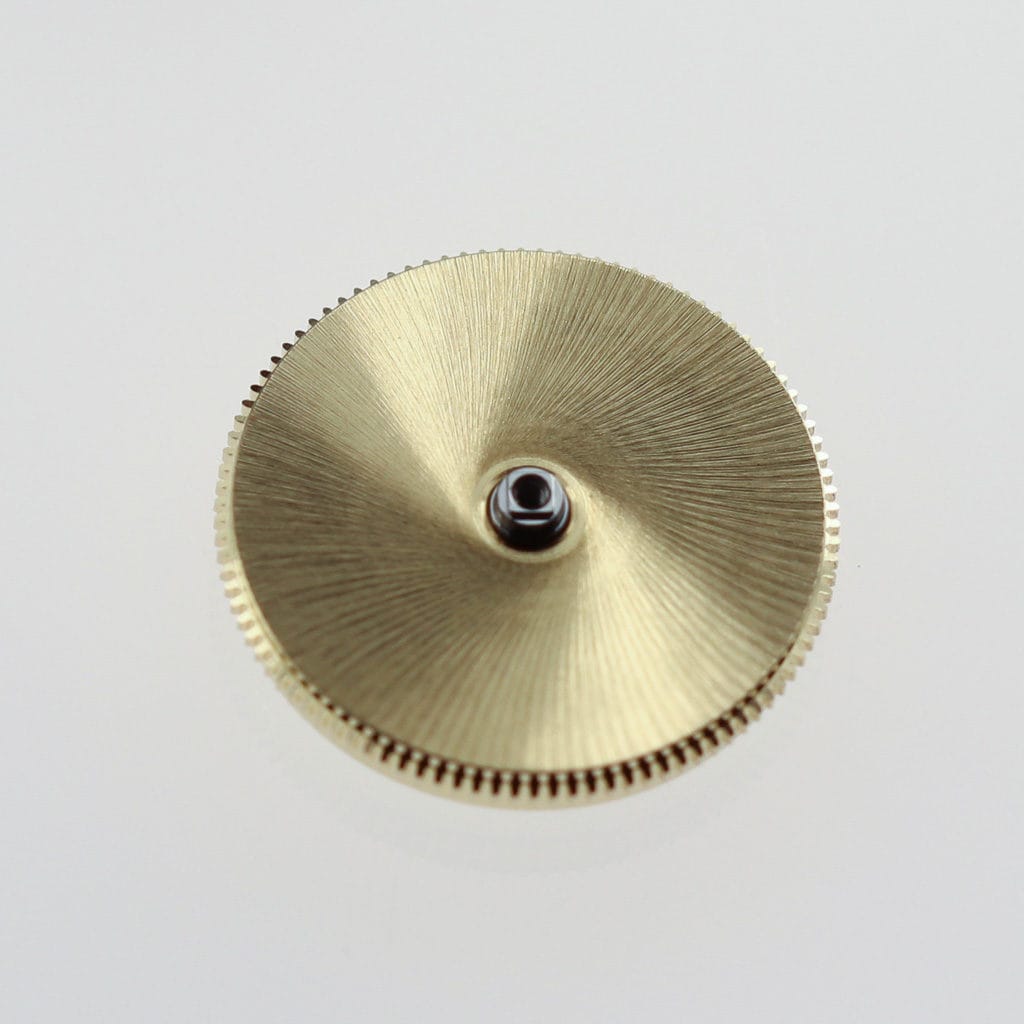
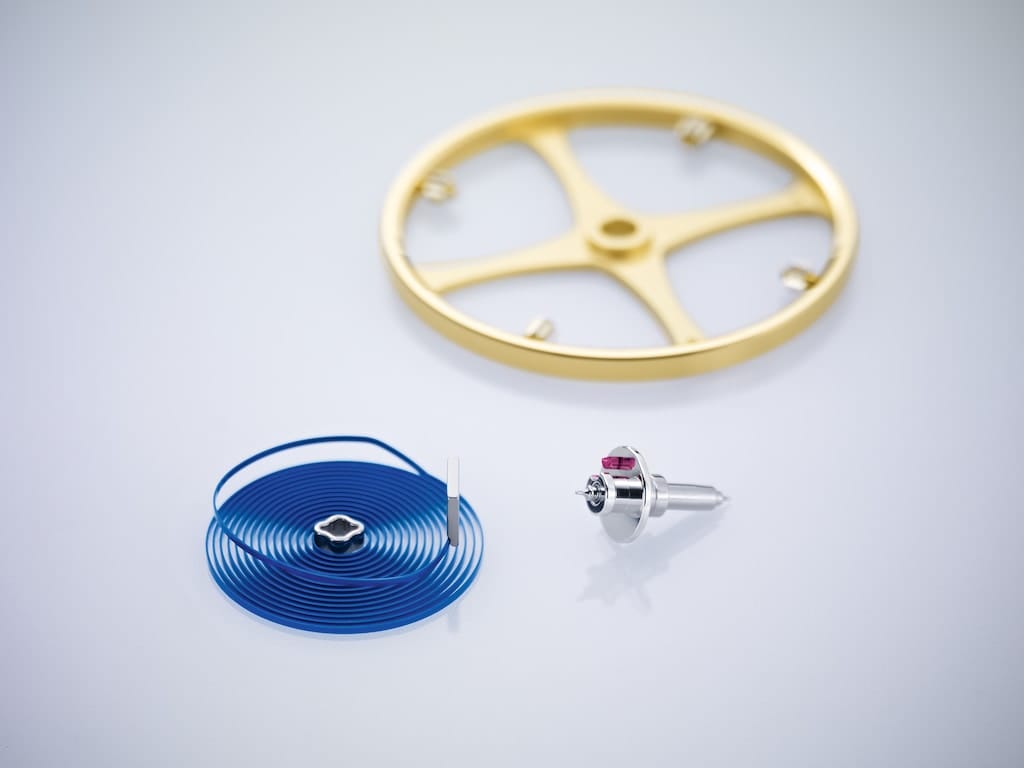
Reaching this result was facilitated by a major technical innovation. In 1957, Rolex launched a new generation of movements, the 1500 calibers, fitted with a gold Microstella screw balance Microstella (now nuts) and offering excellent chronometric performance. The rate results obtained were even more precise than the criteria for obtaining a distinction. To describe these exceptional qualities, Rolex invented the notion of “Superlative Chronometer”, that is “Chronomètre Superlatif”.
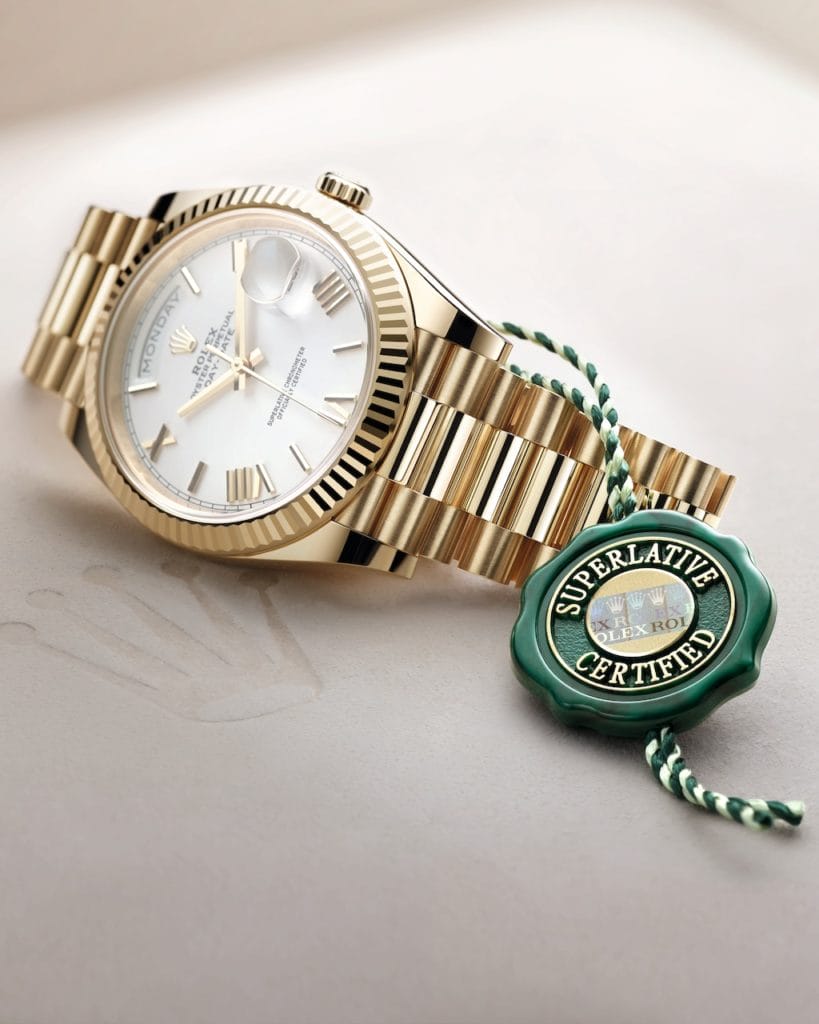
This designation would find its place on the dials in addition to the mention used until then, to give the famous “Superlative Chronometer Officially Certified”. This addition appeared in the late 1950s on the Datejust and Day-Date models.

Since then, the meaning of this designation has continued to evolve to reflect the technical advances and performance of Rolex watches, while retaining the notion that Rolex Chronometers exceed the standards in force.
An in-house certification
Rolex’s ambition has always been to produce watches of the highest quality, particularly in terms of precision and reliability. As technical advances came along, this ambition took shape through new possibilities and new criteria, beyond existing norms and standards, justifying the qualifier Superlative applied to Rolex Chronometers.
As early as 1927, the founder of Rolex, Hans Wilsdorf, declared about the precision of his watches: “We work according to criteria that cannot be measured by any instrument other than those we make ourselves.”
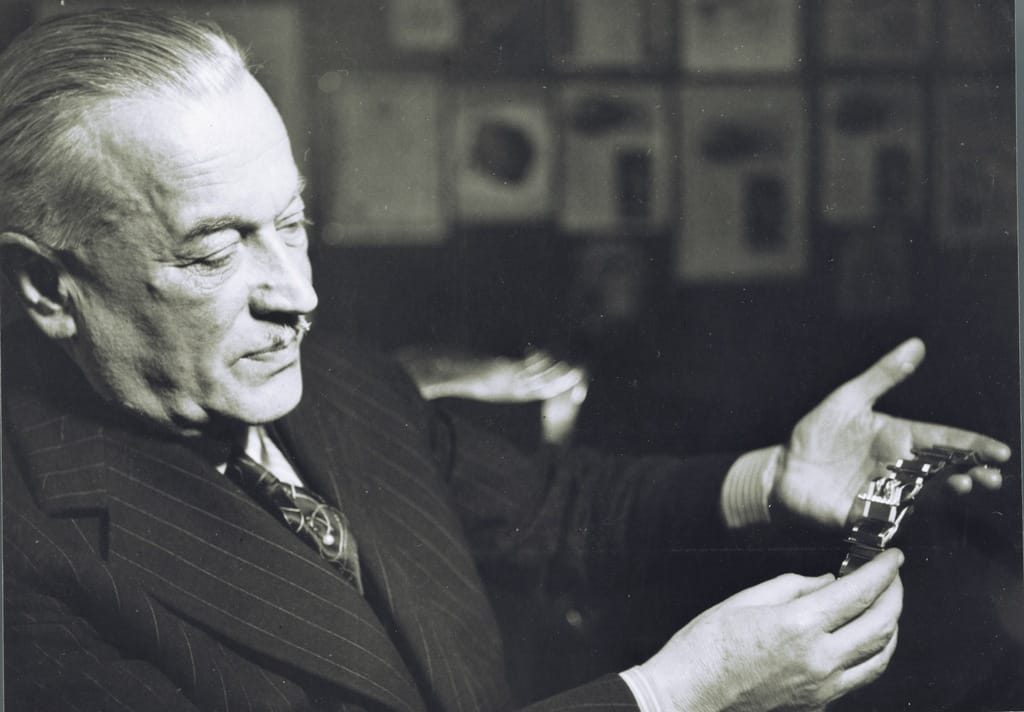
Rolex has indeed always tested the performance of its watches according to its own standards, while supporting this approach with official validation of its Chronometers. After 1973, with the grouping of the official Chronometer certification offices within the COSC and the adoption of unified criteria that rendered distinctions obsolete, Rolex continued to legitimize the Superlative qualifier of its Chronometers by testing 100% of them in-house in a more extensive way. Thus, in addition to water resistance, which preserves precision over time, Rolex has for several decades tested the precision of its Chronometers after casing of the movement.
The new Rolex certification reflects the pursuit of this ambition through the adoption of the strictest chronometric precision criteria on the market and more representative of real wearing conditions. This level of performance, beyond the standards in force, can only be certified in-house. The brand can thus offer its customers superlative performance that pushes the limits of the mechanical watch and makes Rolex the standard of watchmaking excellence.
Frequently asked questions
A Chronometer is a movement certified by an independent body (the COSC in Switzerland) according to official criteria. A Rolex Superlative Chronometer goes further : the certification covers the whole watch, with the movement cased, with tolerances stricter than the COSC and additional tests of water resistance, self-winding and autonomy.
The precision of a Rolex Superlative Chronometer is on the order of –2/+2 seconds per day, on the wrist, more than twice the precision required by the COSC for an official Chronometer (–4/+6 seconds per day for the movement alone).
The Superlative Chronometer certification is carried out in-house by Rolex, in its own laboratories, according to its own methodologies and with high-technology equipment developed by the brand. The movement first receives the official COSC certification, then the complete watch undergoes the Rolex tests.
The designation “Superlative Chronometer Officially Certified” was formalized in the late 1950s, appearing first on the dials of the Datejust and Day-Date. The criteria were significantly reinforced in 2015 to establish the current standard applied to 100% of production.
Superlative Chronometer status is symbolized by the green seal that accompanies each Rolex watch at the point of sale, as well as by the mention “Superlative Chronometer Officially Certified” inscribed on the dial of every Oyster. It comes with a five-year international guarantee.
The Superlative Chronometer certification encompasses four key performance attributes : precision (tested over 24 hours in seven positions and dynamic rotating storage), water resistance (air and hyperbaric tank tests with a margin of 10% to 25%), self-winding of the Perpetual module, and power reserve.
Yes, since the 2015 reinforcement, the Superlative Chronometer certification is applied to 100% of Rolex mechanical watches. Every watch leaving the factory therefore bears the green seal and the mention on the dial.