

What is this other life that Julien V. refers to? What turn are these adversarial hearings taking? Here is the fourth instalment of the trial of the 8 defendants, including the two main ones we are following, facing the public prosecution (Parquet) and the 10 civil parties.
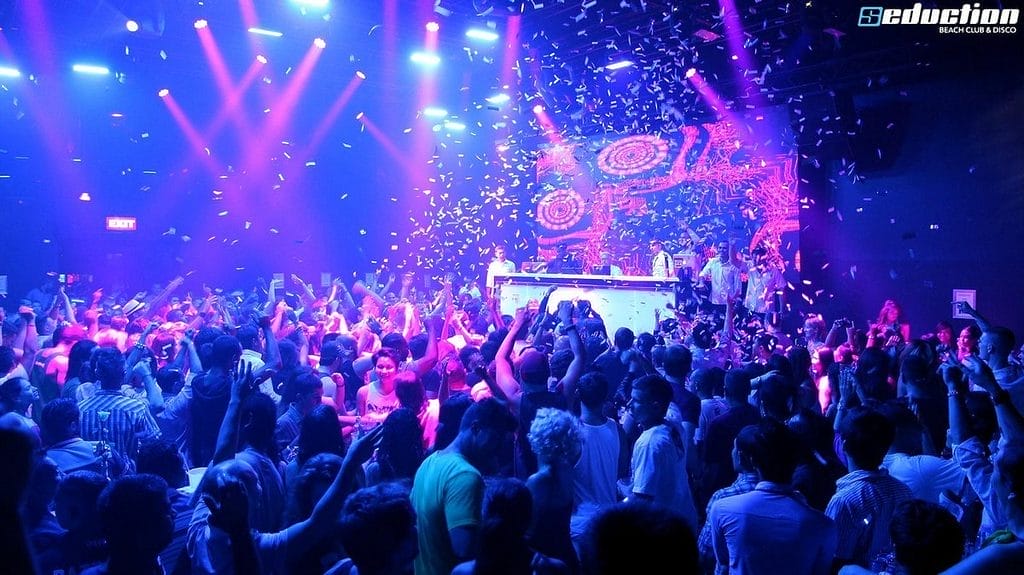
Julien V. once owned a nightclub in Phuket. The venture appears to have ended rather badly. “Then COVID hit, and I had investigators on my back,” he tells the Court. But the presiding judge mentions a business partner who left with the cash. “Tony went off to Turkey with 1.2 million. I said ‘the cash’, but actually he left with his own shares. Nobody swindled me!” replies Julien V. “That’s the Thai investigators’ remix of the story,” he adds.
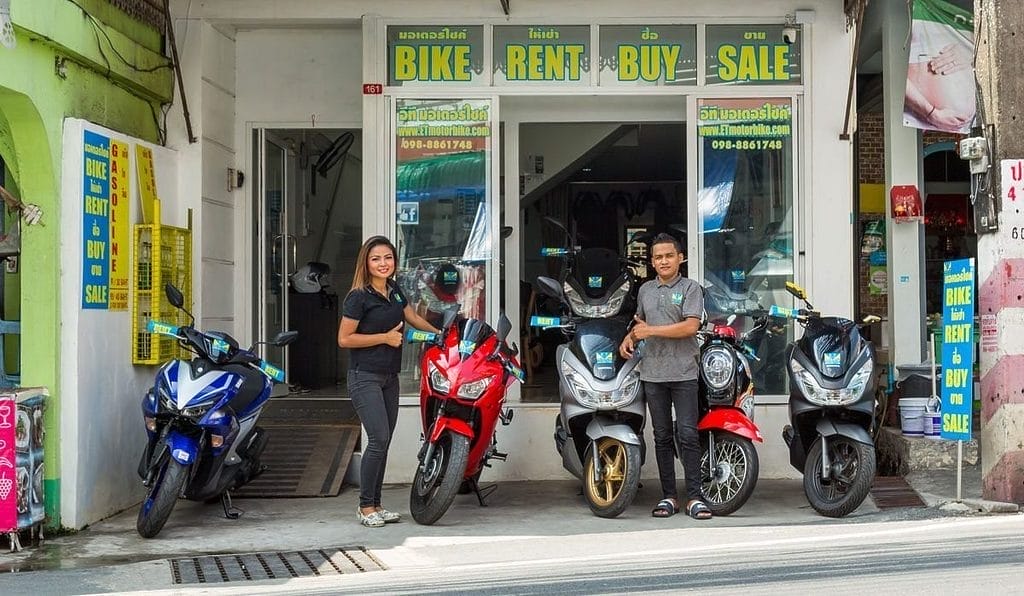
The presiding judge also brings up a big-bike rental business. He had a fleet of 70 motorcycles. “And was the brawl that led to your arrest linked to one of your businesses?” asks the presiding judge. “No, the fight has nothing to do with my businesses. Some drunk guy, a mate I was giving a lift home to, that’s all. I’m not a brawler,” retorts Julien V.
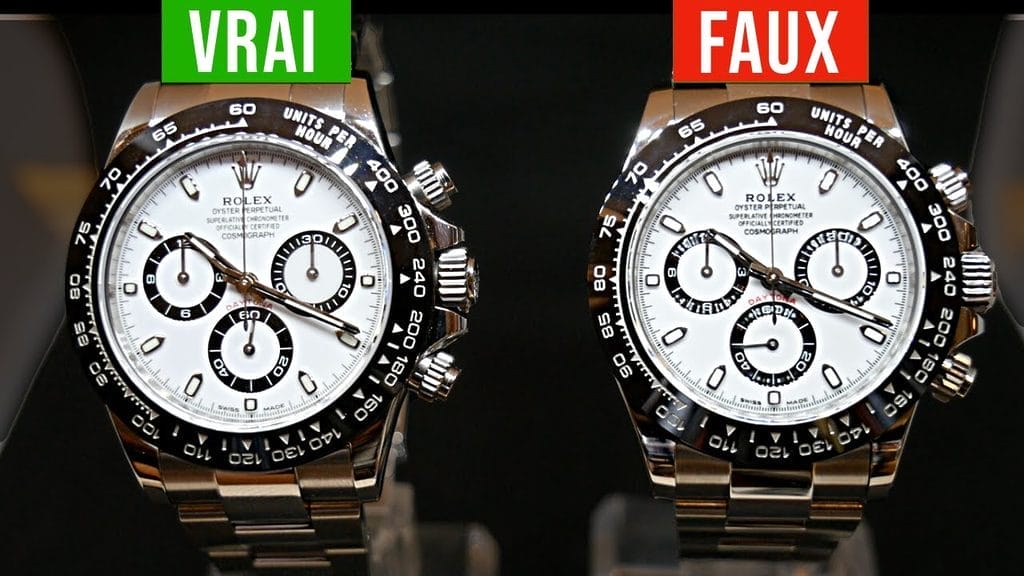
The presiding judge now tries to establish the link between the two defendants, Julien V. and Florian R. He mentions 200 doublette Rolex Daytonas, that is, watches fitted with genuine serial numbers, supplied to Florian R. The latter replies that during the confrontation he himself only mentioned 50 watches. There is therefore confusion over the figures between the public prosecutor, who reads out the 200 watches referred to by Julien V., and Florian R.’s claim that it was limited to 50 watches. And to back up his account, he offers to reveal a scoop to the Court!
“There is 21,000 euros inside the pressure washer that was seized and is part of the sealed exhibits! That’s where I hid the profit from reselling those 50 Rolex Daytonas.” The Court is stunned. Amused smiles from the civil parties, who immediately ask for the sealed exhibits to be brought up so they can be checked. The request is granted, and verification will take place once the pressure washer is brought before the Court.

The presiding judge returns to Julien V.’s case to wrap up his profile. His criminal record is read out:
- 2010: 2 months, suspended, for drug use
- 2011: 1 month for robbery with violence
- 2012: 4 months for drug possession
- 2013: 4 months for handling proceeds of fraud
- 2014: 2 months for death threats with a weapon
- 2014: convicted for carrying a weapon
- 2015: 50 day-fines at 20 euros for driving without a licence

Then comes the moment to hear the witness put forward by Rolex’s counsel. The young woman states her identity and introduces herself thus: “I work for Rolex France. I am a watchmaker. I am taking over from the watchmaker who identified the counterfeits in this case and who has since retired.” The presiding judge questions her on the difference between counterfeits and doublettes. But she does not seem to understand the question. She is then asked how she goes about determining whether a watch is counterfeit. “To identify a counterfeit, we first look at the watch’s serial number. Then, if necessary, we go further by opening the watch to examine its components.”
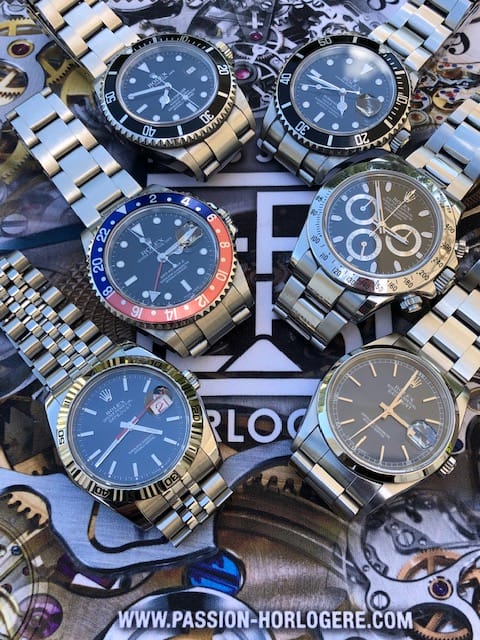
A sealed exhibit is shown to the Rolex watchmaker. She immediately notices that the stickers do not match. When asked about the watch’s weight, she says she is not struck by anything unusual. “What are the quality criteria for a Rolex watch?” asks the presiding judge. “Performance and reliability,” she replies. “Did the watches examined by Rolex perform as well as genuine Rolexes?” he continues. “I cannot say,” answers the witness.
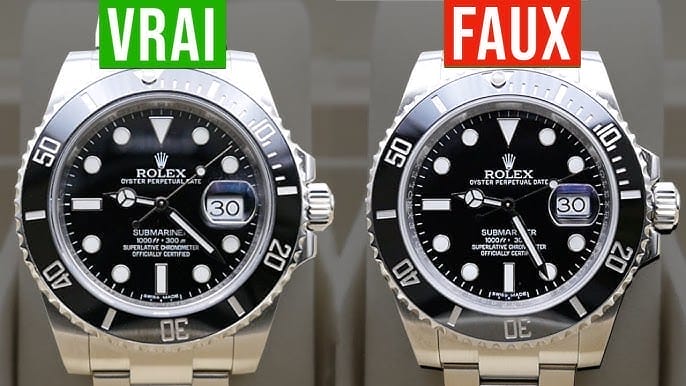
It is now the turn of the civil party to question her, in this instance the lawyer representing the Rolex brand. “In the course of your after-sales service work, do you ever have to identify the serial numbers of watches that come in?” “That can happen,” replies Delphine M. “The file shows watches assembled using genuine components, do you often come across those?” “In my case, I have never seen one. And it must be complicated to identify afterwards,” the watchmaker tells us.
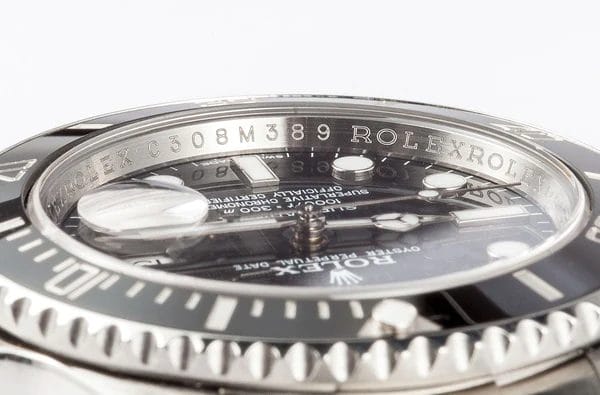
The presiding judge asks: “What does the serial number correspond to?“. “To a model,” replies the watchmaker. “And what do you do with the watches afterwards?” asks the presiding judge. The lawyer representing the Rolex brand takes the floor: “It gets passed on to us and we handle the situation. We ask the owner to give it up so that we can destroy it. And I can tell you that this sometimes leads to difficult moments, where we can be confronted with unhappy, angry customers, even insults. These are very uncomfortable situations caused by these counterfeits.”
The public prosecution, in the person of the public prosecutor, steps in. “If the serial numbers are genuine, would that mean there is complicity from within Rolex, supplying these serial numbers?” “I don’t think so,” replies the watchmaker.
Defence counsel, the lawyer representing Florian R., steps in (since Julien V. no longer wanted legal representation, Editor’s note): “Have you been trained in watch counterfeiting?” she asks the young watchmaker. “I am a watchmaker,” she replies. “Do you know how these watches are made in China?” “No, I don’t know!” Rolex’s lawyer takes the floor again to question the watchmaker: “There are waiting lists to obtain a Rolex from an official retailer. If you wait on the list for a watch, will you get it? You don’t need to go and buy a counterfeit?” “Yes, you will get it!” replies the Rolex watchmaker. The lawyer reminds the Court that French Customs is seeking a fine of 330 million euros, concerning at least 12,000 watches.
This is where Julien V. speaks up: “The investigators took 10 watches a day and multiplied it out. I was drunk and high when I made those statements. In France it would be illegal to rely on such statements, but over there in Thailand… If you want, you can see, I have videos from the night before in my cell with bottles of Champagne. I treated everyone!” And he continues: “I only made doublettes 4 or 5 times. It’s done in batches. There can be a batch of 200 and that’s it. Once they’re gone, they’re gone. My customers wanted fake Rolexes. That’s 80% of my business. And in my catalogue I offered whatever was available from the factories. I was really just a Media, in fact!”
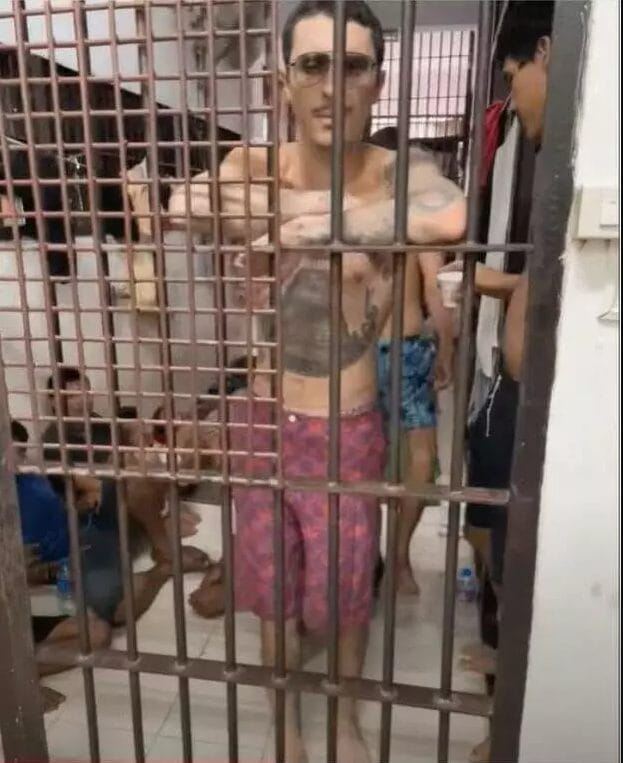
“Sometimes with the doublettes you had genuine movements?” asks the presiding judge. “Did you sell those for more?” “Yes, 6,500 euros,” replies Julien V. “And the watches at 39,500 euros?” he asks. “That was marketing,” replies the counterfeiter with a smug smile.
In the next episode, Julien V. will be questioned about his alleged inside accomplices, about child trafficking, and about the Patek Philippe counterfeits. Florian R., the alleged accomplice, will be questioned by the public prosecutor.
Frequently asked questions
He claimed that 21,000 euros, the profit from reselling 50 Rolex Daytonas, was hidden inside a pressure washer that had been seized as a sealed exhibit.
The presiding judge referred to 200 doublette Rolex Daytonas with genuine serial numbers linked to Florian R., though Florian R. said he had only mentioned 50 during the confrontation.
She explained that Rolex first checks the watch’s serial number, then, if necessary, opens the watch to examine its internal components.
French Customs (DGDDI) is seeking a fine of 330 million euros over at least 12,000 watches.
It lists convictions from 2010 to 2015 for offences including drug use and possession, robbery with violence, handling proceeds of fraud, death threats with a weapon, carrying a weapon, and driving without a licence.
- Part 1: Setting the scene
- Part 2: Chronology of the facts
- Part 3: Getting to the heart of the matter
- Part 4: The hidden money ←
- Part 5: The Punch and Judy show
- Part 6: A calmer hearing
- Part 7: Rolex’s conclusions
- Part 8: Material and moral harm to the brands
- Part 9: Customs and the public prosecution step in
- Part 10: The defence’s pleading
- Part 11: The verdict (208 million euro)

Leave a Reply