

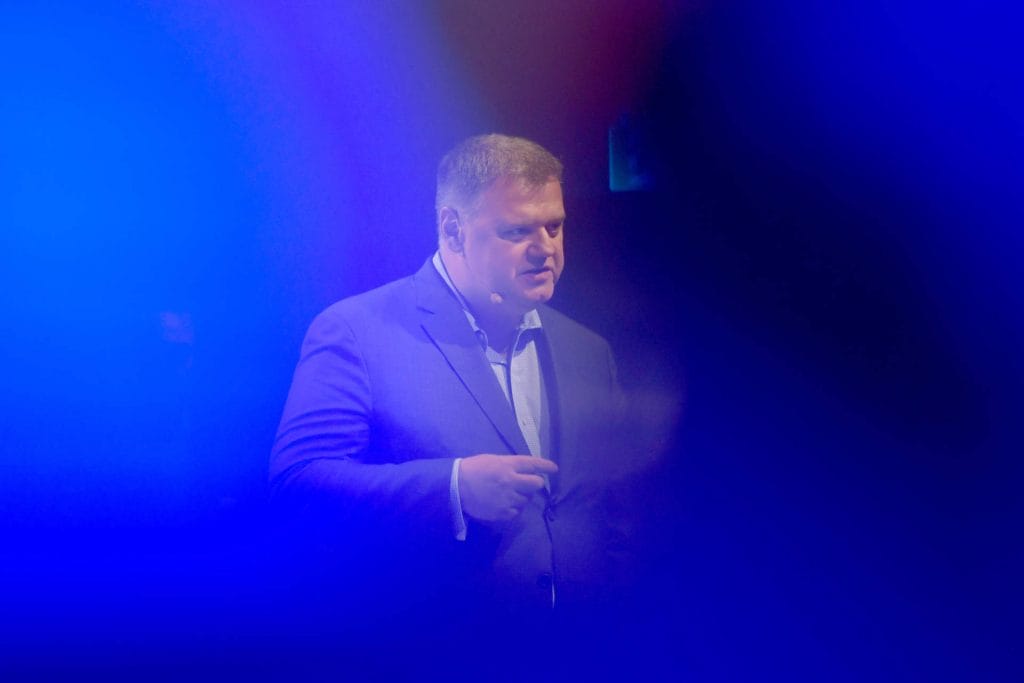
Guy Semon is a discreet man who has always worked behind the scenes for the success of others. A true genius who, as a young man, intended to become a fighter pilot, he has already lived 10 lives and had as many careers. Passionate about mathematics, physics, mechanics and, more recently, watchmaking, this doctor of science, specialised in physics and engineering science, taught for a time at the Université de Franche-Comté before turning to entrepreneurship. In the 1990s he worked on many major scientific projects before being recruited by TAG Heuer in 2004. Within this great watch brand, he completed the Monaco V4 project, then founded and ran the R&D laboratory of TAG Heuer from 2008.
On this page
- Which watch are you wearing for this interview?
- How long did it take you to develop this regulator?
- What is your greatest achievement in watchmaking?
- What is your favourite watch complication?
- Should we call this new regulator a watch complication?
- Apart from watchmaking, what are your passions?
- What would be your dream watch?
- How would you define luxury?
- Which brand, in watchmaking or elsewhere, best embodies luxury in your view?
- Which historical or contemporary figure inspires you?
- Which quality do you most appreciate in others, and which flaw do you regret having?
- Isn’t having no limits exactly what your job asks of you?
- Is there a quote you particularly like?
- What time is it?

With his team, he invented and developed several of the most accurate chronographs in the world, starting with the Mikrograph, unveiled in 2010 as the first integrated chronograph able to measure to 1/100th of a second. He went on to create some of the most complex watches and timekeeping systems, such as the Mikrotimer, the Mikrogirder, the Mikropendulum and the Mikrotourbillons. In December 2014 he was appointed Managing Director of TAG Heuer at the instigation of Jean-Claude Biver, who had become CEO of TAG Heuer and head of the LVMH group’s watch division. His first challenge, in barely a few months, was to create a connected TAG Heuer.

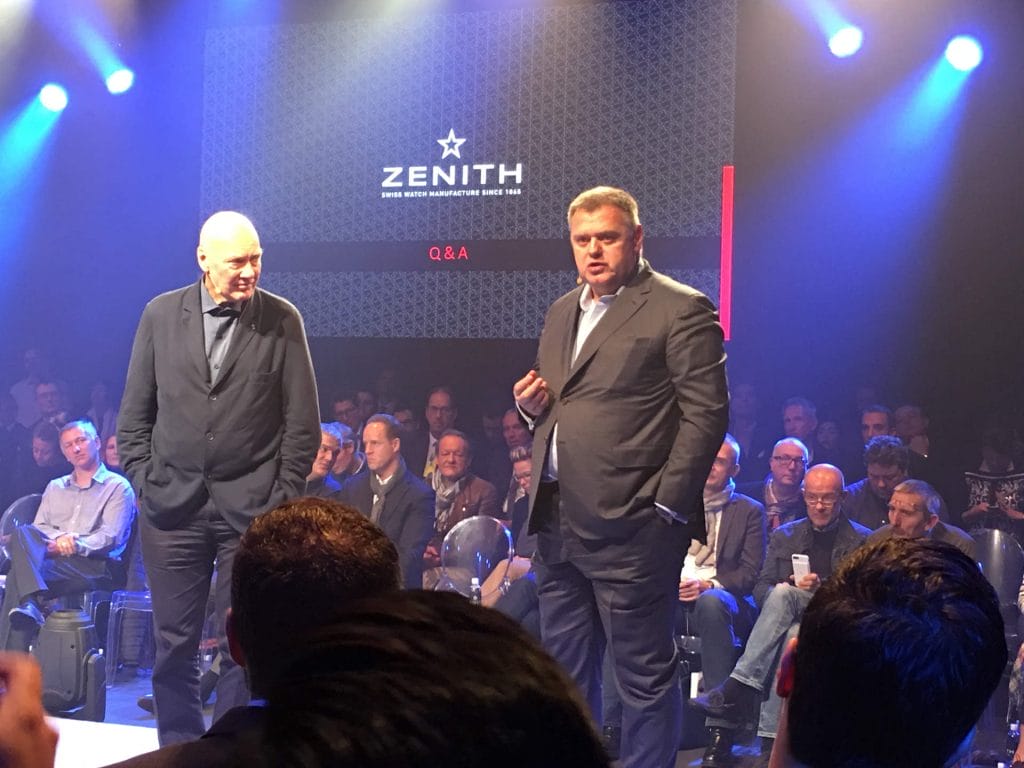
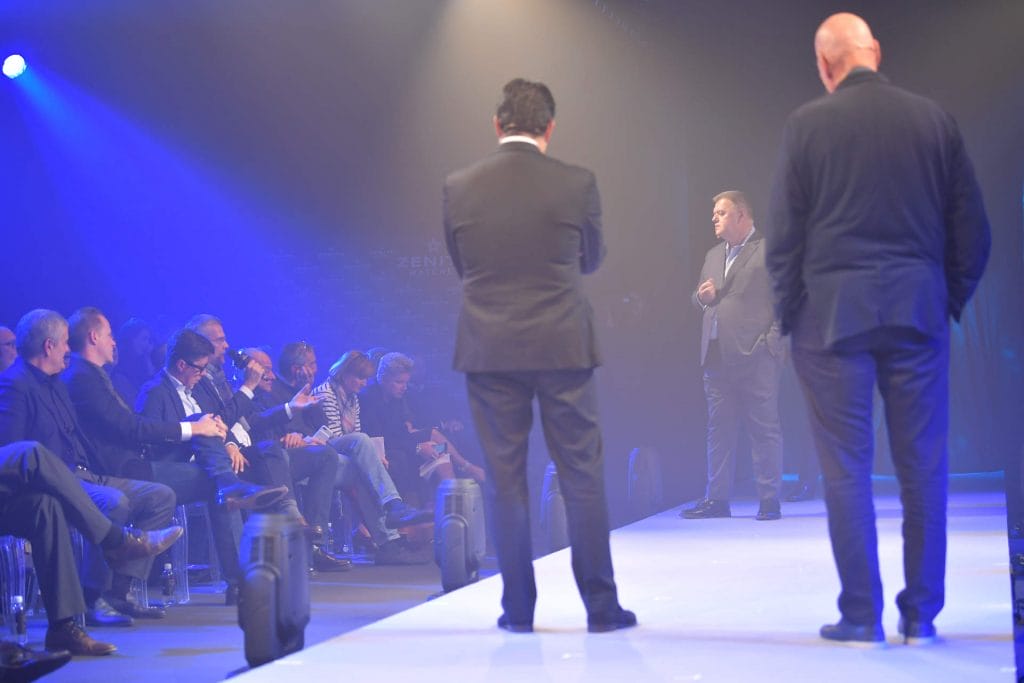
He met it successfully in partnership with Intel and Google. His boss, who had by then decided on a policy of synergy between the skills of the watch division’s brands, promoted him to CEO of the R&D laboratory of the watch division of the LVMH group. It was in this capacity that, in September 2017, alongside Julien Tornare, CEO of Zenith, Ricado Guadalupe, CEO of Hublot, and Jean-Claude Biver, CEO of TAG Heuer, Chairman of Hublot and President of the LVMH Watch Division, he presented the new and revolutionary Zenith Defy Lab.
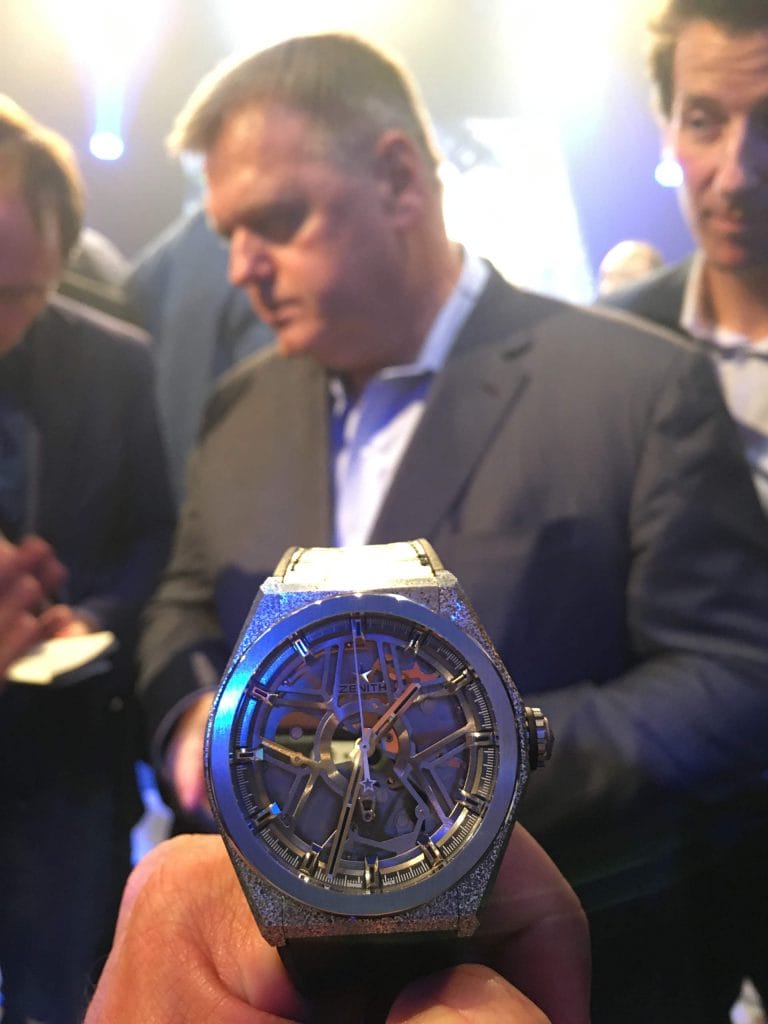
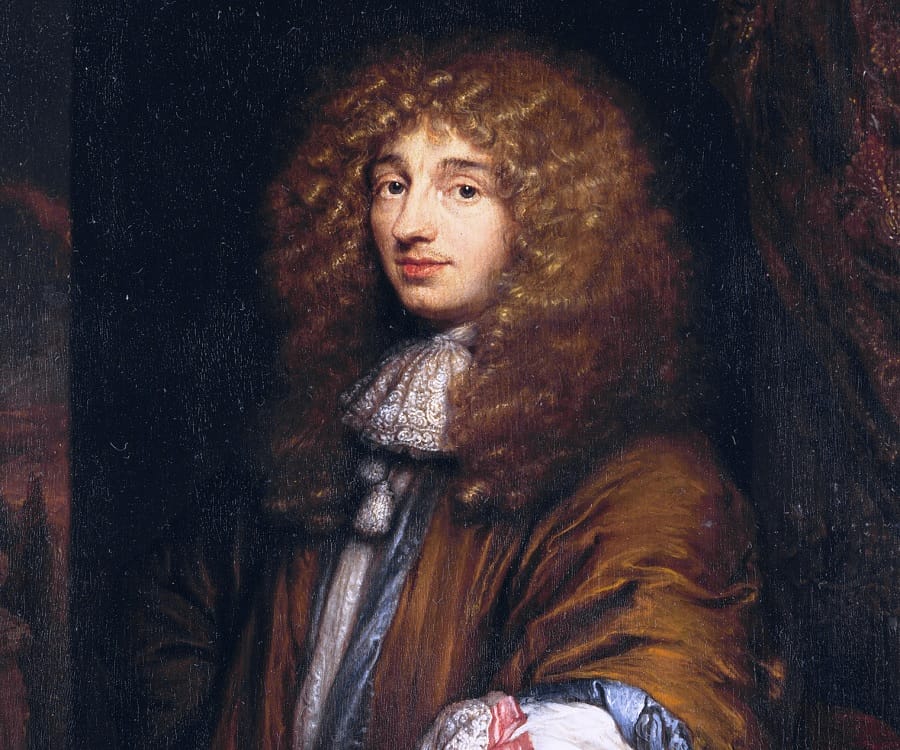
With this watch complication, this young man of 54, father of two grown-up children, a born and bred native of Franche-Comté whose family roots in the region go back to the 12th century, and an enthusiast of history, science and golf, has entered watchmaking history as the inventor of an oscillator that does away with the balance and hairspring system invented by Christiaan Huygens in 1675. No less! We met this genius, who describes himself as a scientist in the service of watchmaking.
Which watch are you wearing for this interview?
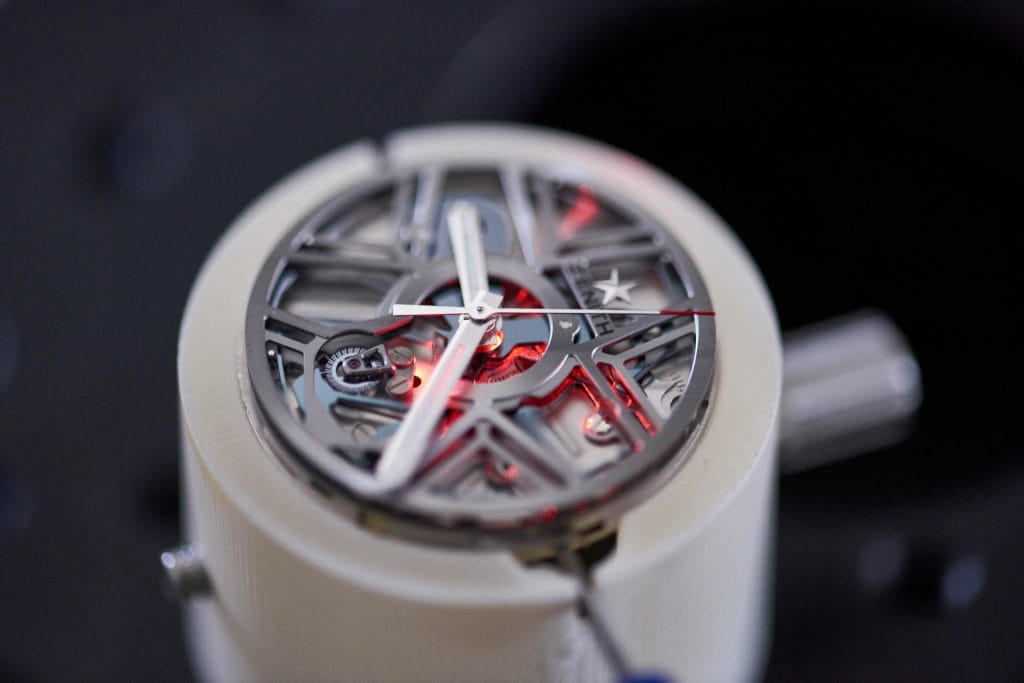
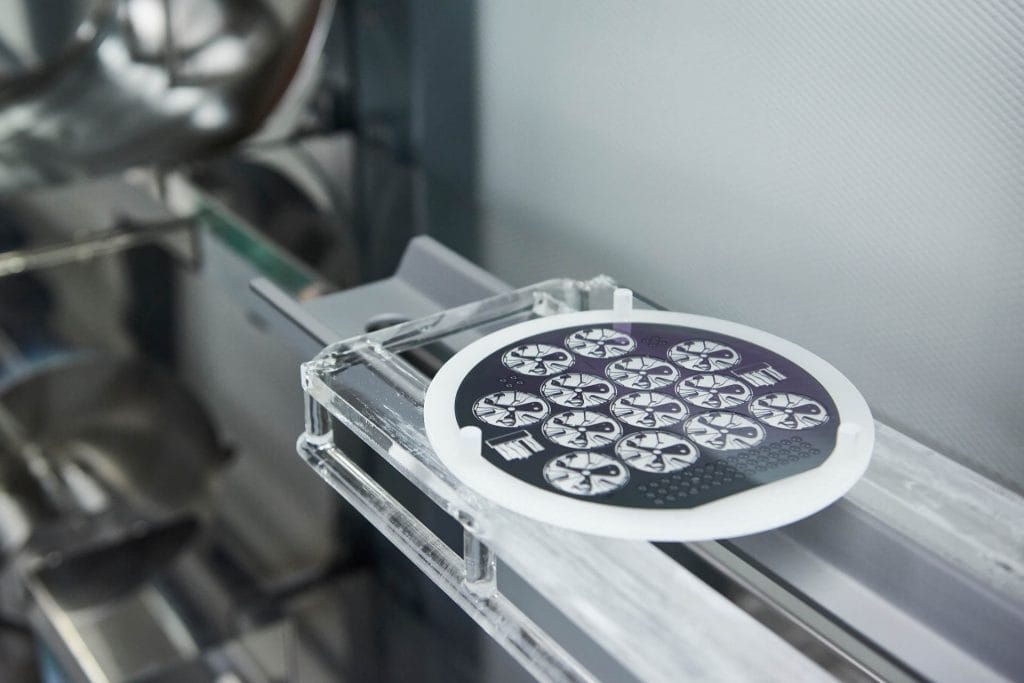
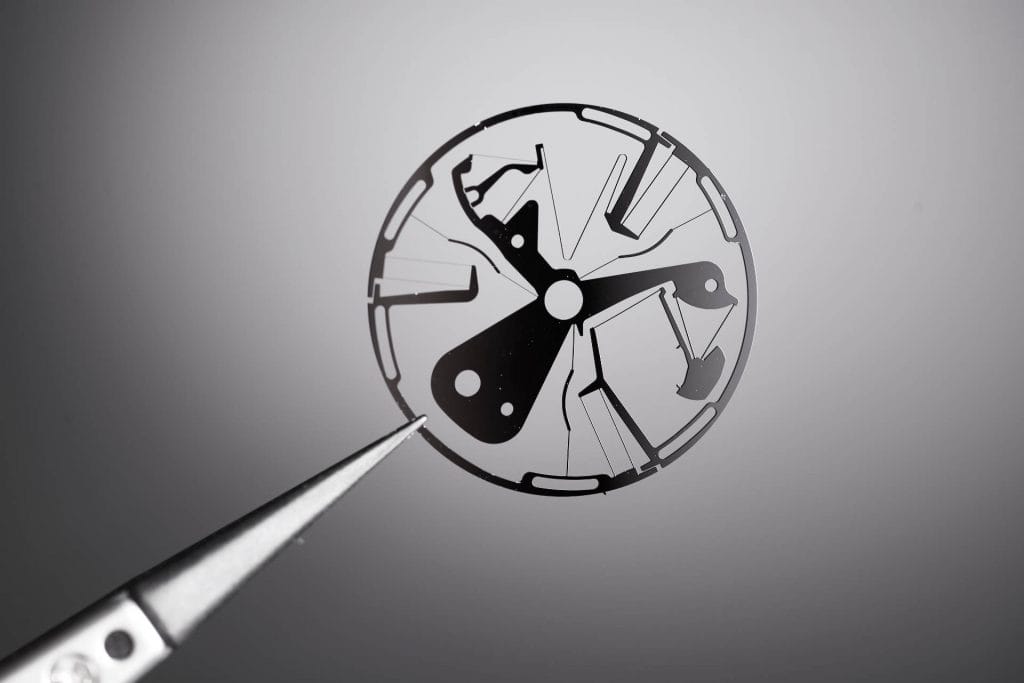
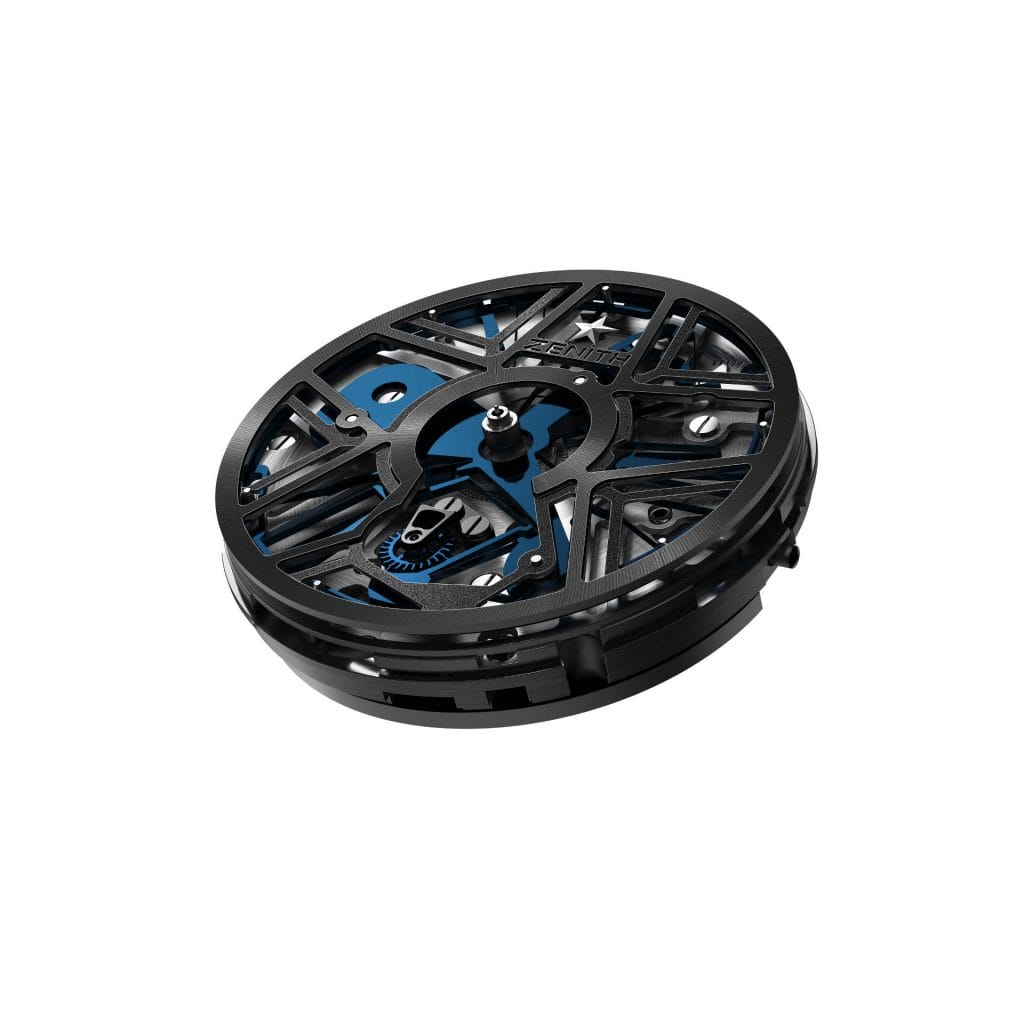
I’m wearing a very special watch. It’s called the Defy Lab. It’s a first, and its main feature is that it carries a new regulator that replaces the Huyghens principle.

How long did it take you to develop this regulator?
A little over three years.
What is your greatest achievement in watchmaking?
The next one!
What is your favourite watch complication?
This one, the latest. Replacing the Huygens principle 342 years on is no small thing. So yes, I’m a big fan of this one.
Should we call this new regulator a watch complication?
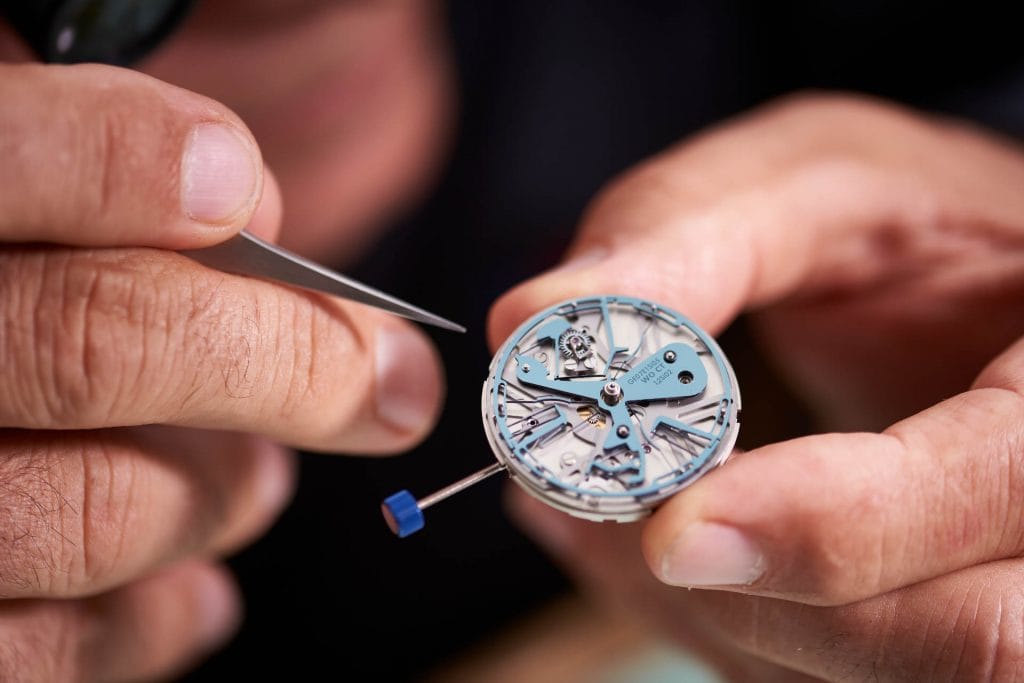
It is a watch complication! I invite you to meet Denis Badin, our Master Watchmaker at the LVMH Institut des Sciences. He holds the title of Meilleur Ouvrier de France, and you can put the question to him, since he is a true watchmaker, which I am not. He will tell you that nothing is more mechanical than this watch.
Apart from watchmaking, what are your passions?
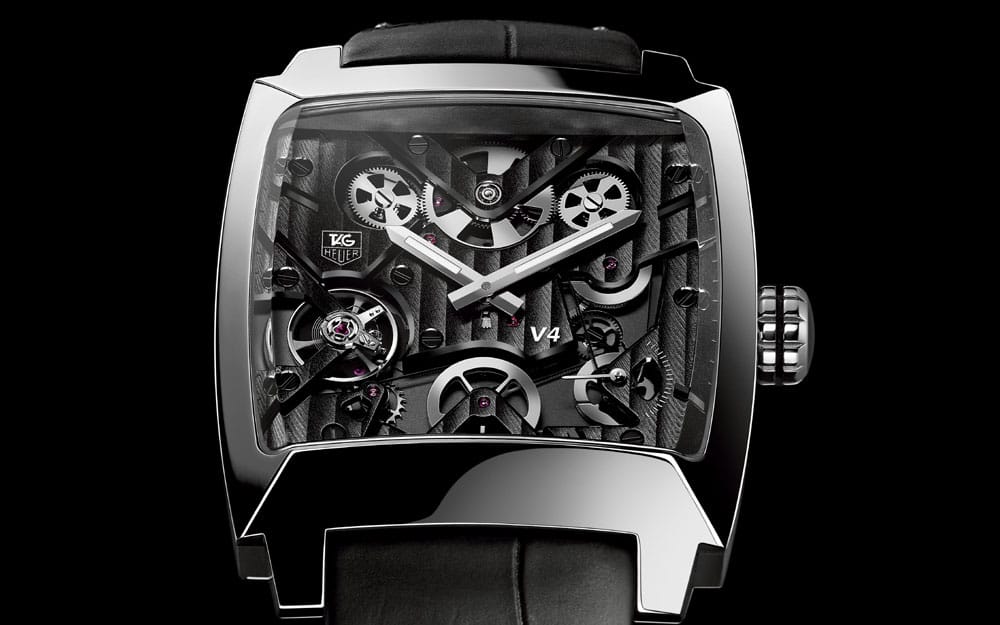
I’ve been in watchmaking for 12 years. I did the V4 (TAG Heuer, Ed.), the hundredth of a second, the thousandth of a second, the five ten-thousandths of a second, the Pendulum, the hundredth-of-a-second tourbillon, and so on. I’m a scientist who has become a scientist who is “quite a bit” of a watchmaker. Yes, of course I have quite a few other passions, and luckily for me. (Smiles)
What would be your dream watch?
It would be a mechanical watch whose accuracy no longer depended at all on the power reserve, a watch I would never have to wind, a watch that would be very beautiful, very pure, very “emotional”, and that would show both the talent of the scientists behind its development and the talent of all the watchmakers who assembled it.
How would you define luxury?
That’s a good question. Luxury is emotion. The kind that isn’t available all the time. Something you open from time to time and that gives you an extremely emotional perception of a given moment.
Which brand, in watchmaking or elsewhere, best embodies luxury in your view?
There are several. It’s hard to name the competition, although I have great admiration for our competitors, but allow me all the same to name Zenith today, because I’m at Zenith and the history of this brand is so fabulous that you can only be proud of it and naturally answer “Zenith”.

Which historical or contemporary figure inspires you?
It’s like watches, there are a lot of them. Scientists, writers, men who have inspired me in my life. Even people I’ve known in my family, among my friends, and so on. They aren’t necessarily famous people.
Which quality do you most appreciate in others, and which flaw do you regret having?
Perseverance and modesty. Humility is the overriding rule when you work in science, so it matters a great deal to me.
As for flaws, I have an enormous number. I’m not going to completely discredit myself… Probably excessive, no limits. That has its advantages, but also a lot of drawbacks.
Isn’t having no limits exactly what your job asks of you?
What they ask of me above all is results. (Smiles) And results can be seen as a limit.
Is there a quote you particularly like?
“Things are only what we make of them”
What time is it?
It must be 1 pm.

Leave a Reply