

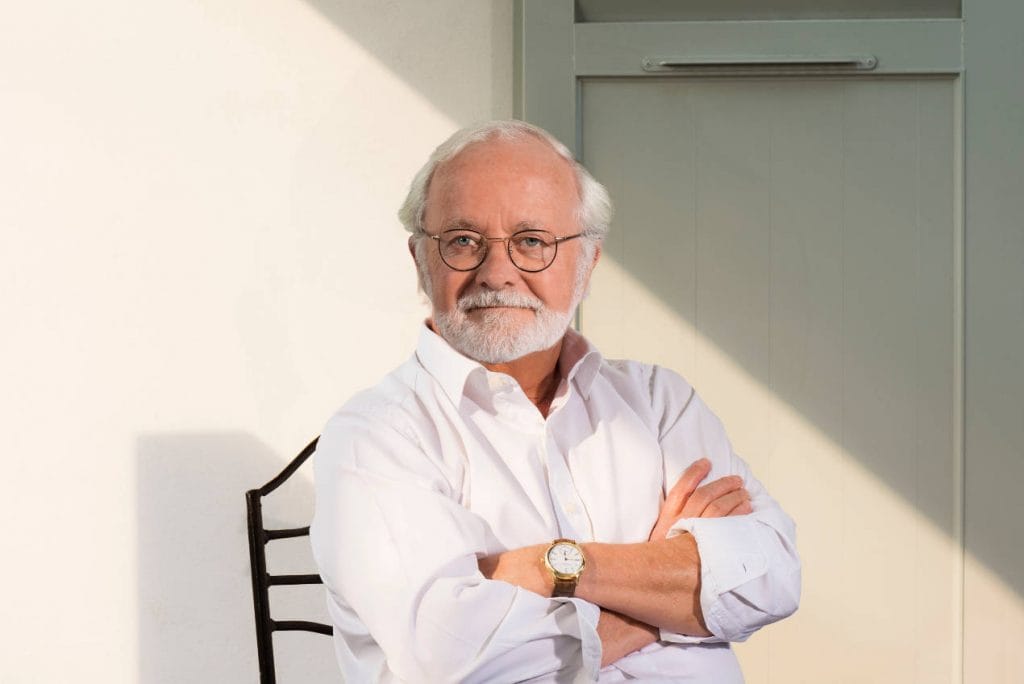
Laurent Ferrier is a discreet man, an exceptional watchmaker who spent almost 40 years of his life at the Patek Philippe Manufacture. Find out how, three years away from retirement, this man who loves a challenge created his own brand, and how passion and friendship have guided him along the way… A portrait.
On this page
- Hello Laurent Ferrier, how are you?
- We are delighted to meet you here too. Mr Ferrier, can you tell us the story of your brand?
- So it was welcome from a commercial point of view, but it must also have really motivated you to keep going and build the brand for the long term?
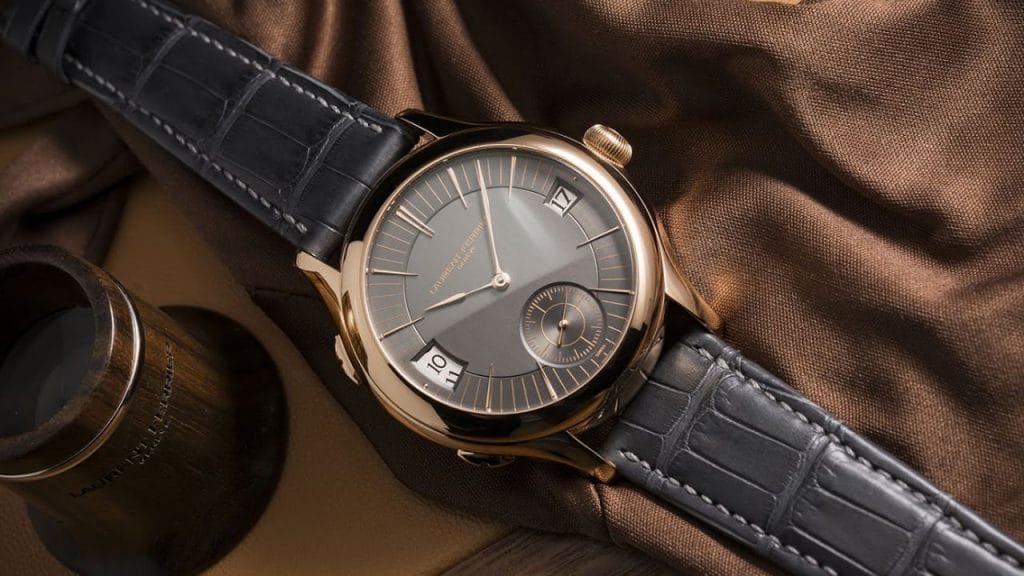
- Mr Ferrier, what are you wearing on your wrist today?
- What do you consider your greatest watchmaking achievement?
- Do you have a favourite watch complication?
- So function comes first?
- Do you have any passions in life besides watchmaking?
- Is there a car that has left its mark on your life? What is your dream car?
- Mr Ferrier, how would you define luxury?
- Is there a brand today, in watchmaking or elsewhere, that embodies luxury for you?
- So isn’t it a somewhat variable notion?
- Mr Ferrier, is there a historical or contemporary figure who has inspired you in life, and who may still inspire you today?
- Mr Ferrier, people often say that in your dealings with others you are very open and very understanding. What qualities do you value in other people?
- Mr Ferrier, one essential question: what time is it?
Hello Laurent Ferrier, how are you?
Well, I’m doing well! We are delighted to be at the SIHH for the third year. We are still fairly young in this business, since our first piece came out in 2010, so we are very proud to have been accepted three years ago into the inner circle of watchmakers, and we are delighted to be here again this year.
We are delighted to meet you here too. Mr Ferrier, can you tell us the story of your brand?
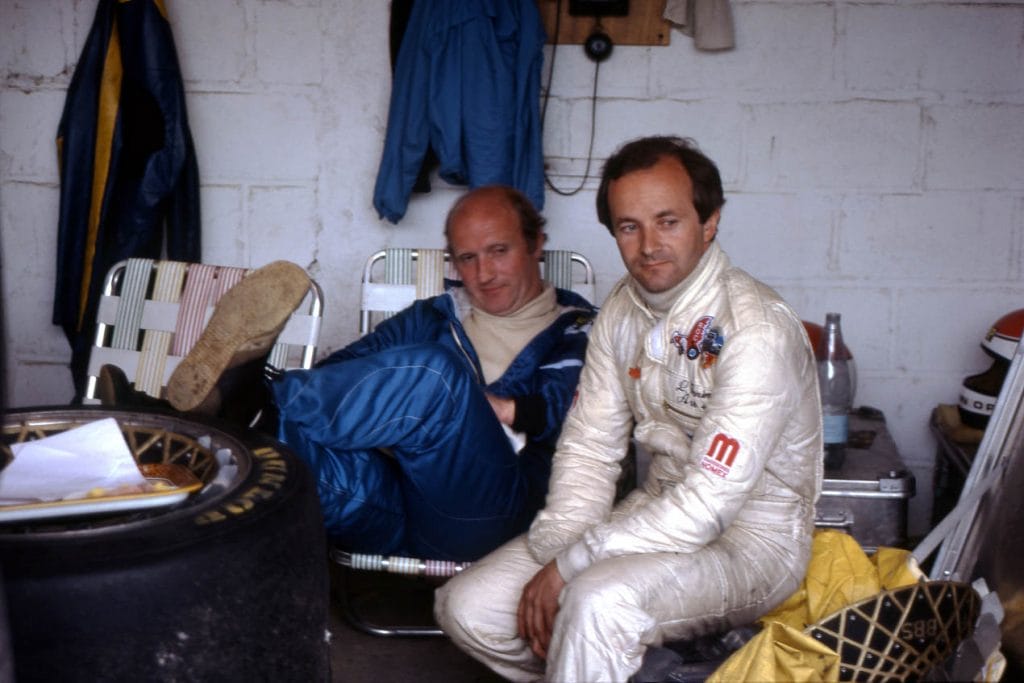
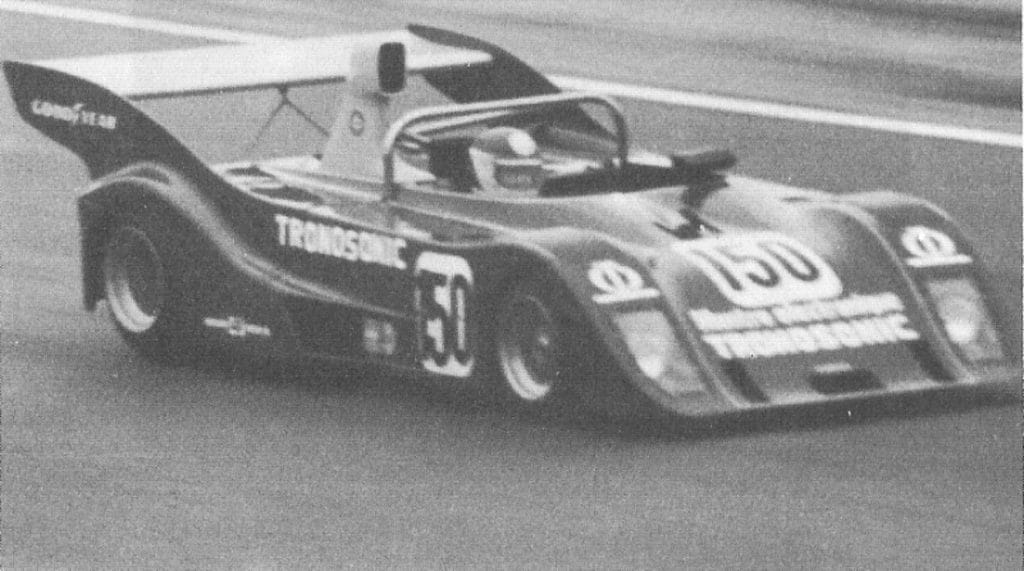
Well, it’s a funny story… I’m a watchmaker by training. My father was a watchmaker, my grandfathers were watchmakers, and so were my great-grandfathers. We really were a whole family of watchmakers, and as soon as I finished watchmaking school, I joined Patek Philippe. I worked there for 37 years, so I really spent my entire career there. My second passion was motor racing. In 1979, we had the chance to finish third at the 24 Hours of Le Mans, and I gave a Patek Philippe Nautilus to my teammate, who was a French industrialist and a friend.
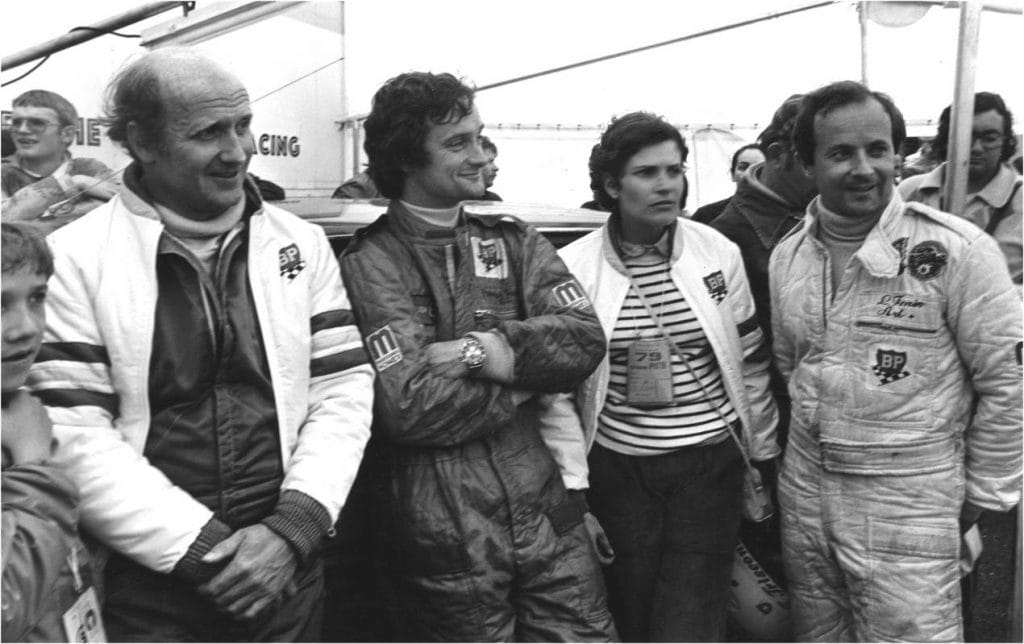
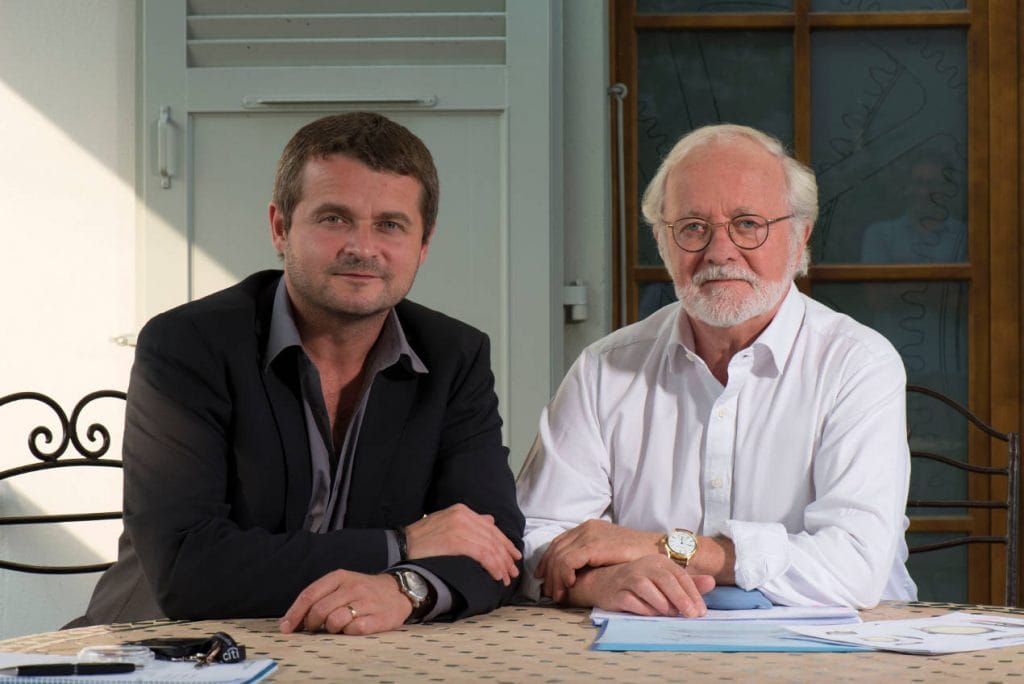
And whenever we saw each other, he would always say to me: “Laurent, everyone tells me Patek Philippe is the finest brand in the world, but it’s so hard to get hold of one. One day we’ll make watches ourselves, we’ll start our own brand…” We talked about it the way you do on holiday in Corsica, when you tell each other you’ll open a beach restaurant. It wasn’t a real hope, we had completely put it to the back of our minds… Then a few years ago, François Servanin, who is now the company’s main shareholder, came to see me and said: “Listen Laurent, it’s now or never. Are we making this watch or not?” I was three years from retirement, so it seemed a bit crazy. But my son was himself a movement designer at Roger Dubuis, so I thought it was the right time. And since François Servanin was neither a real watch enthusiast nor a collector, he told me: “You do absolutely whatever you want!” As a rule, that’s something a watchmaker can’t resist, so we had the chance to make the first tourbillon, which was a beautiful piece.
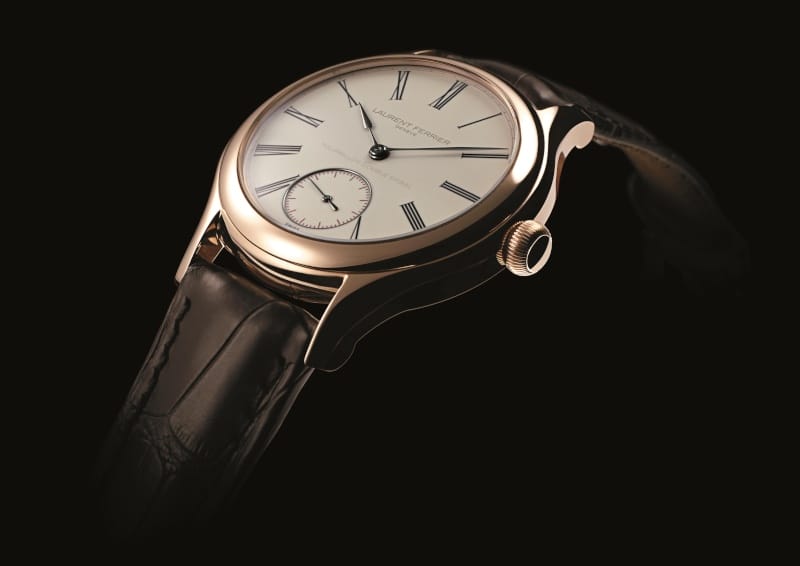
A piece that went on to win an award!
Well, the first year (the piece came out in 2010), we went to the Basel fair, where we already made some very interesting contacts. Then we held a collectors’ dinner in the United States, and one of the collectors asked us whether we had entered the Grand Prix d’Horlogerie (the GPHG, editor’s note). We hadn’t, because the piece seemed too classic to me to stand any chance of winning. One of those collectors was on the jury and told us this piece had something truly interesting about it, and that people were now looking for pieces in that category of timeless, classic watches. So we entered! In fact he entered us himself, because it was the very last minute. And we won the Grand Prix in our first year, which was a significant asset with potential clients. It gave us real credibility, which was valuable.
So it was welcome from a commercial point of view, but it must also have really motivated you to keep going and build the brand for the long term?
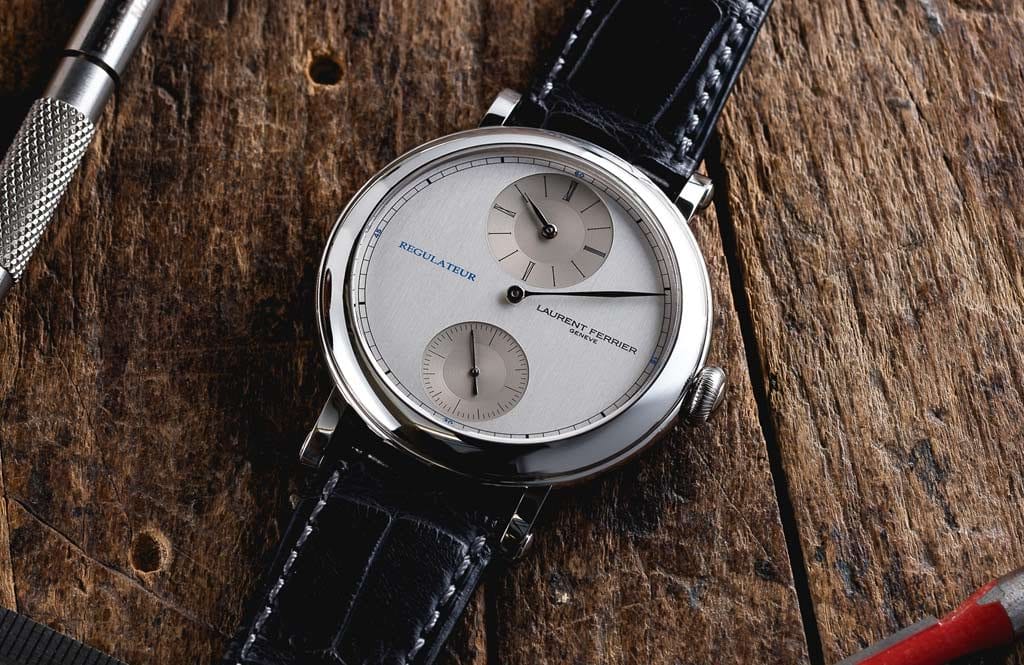
Exactly. Here again, when we launched the brand, we didn’t have a five-year business plan saying we need a chronograph in three years and a repeater in eight… It really was: “Let’s make one piece and see if there’s any interest !” And if there isn’t, well, we’ll quietly go back home… As it turned out, there was interest, it was all very, very pleasant, the reception was great, and we have been able to keep growing at our own pace.
Mr Ferrier, what are you wearing on your wrist today?
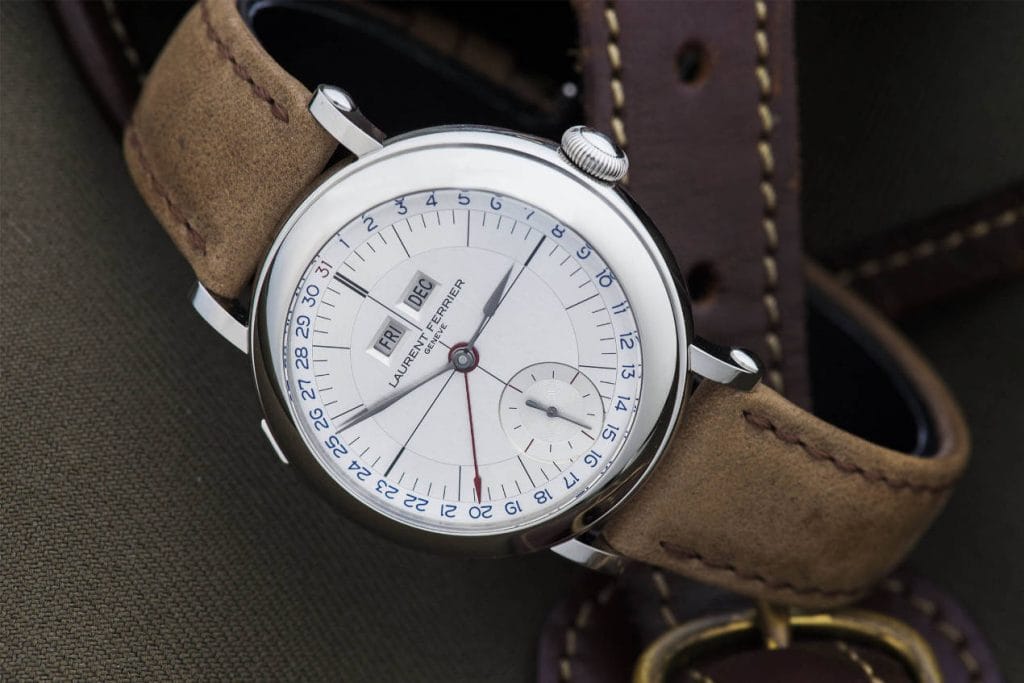
I’m wearing the very first tourbillon. It really is prototype number 1, and it still runs very, very well. It’s a piece I’m very fond of, a very beautiful one, in steel. I wear it all the time, I test it in my garden and everything is fine. Although I don’t chop wood with it!
What do you consider your greatest watchmaking achievement?
The one we’ll make in two years’ time, I think! One thing that makes me very happy is that I like every model we have made. When we made the micro-rotor movement, our second movement, it was the same. We needed a model that was a little more accessible than the tourbillon, and we made a movement with a Breguet natural escapement, a special escapement that was difficult to perfect, but the basic idea was excellent. And that movement now runs very well too. We are still in the same category. So I think it’s like at Ferrari: each new Ferrari is more beautiful than the one before, but when you look at the old one, you still find it beautiful.
In fact, your answer is the same one Enzo Ferrari gave when asked which was his favourite Ferrari: the next one.
But it’s true, when you want to build something, that’s always the case. Even architects must surely tell themselves that the next villa they build will be the finest they have ever made.
Do you have a favourite watch complication?
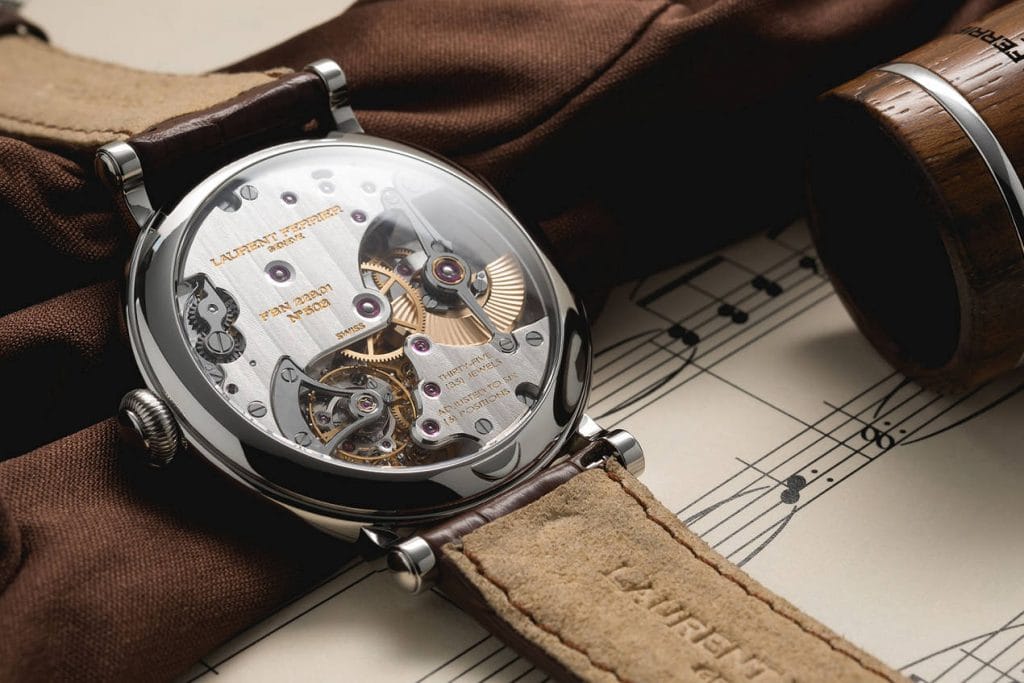
Well, the idea is not to have overly elaborate complications. Of course I admire grand complications. The trouble is that the more complications you add, the harder the piece is to keep running. As a rule, very grand complications end up in a safe. They don’t run all the time. Even a perpetual calendar, even with a moon phase: if you have friends who own one, three times out of four when you look at the moon, it isn’t right, because they haven’t had time to set it. So the idea is to make pieces that are pleasant, legible and comfortable to wear. And the idea behind our tourbillon was to make a piece a little more precise than others, not to add a complication for its own sake.
So function comes first?
Function comes first, exactly.
Do you have any passions in life besides watchmaking?
I’d say that at my age, that’s already plenty of passions! Watchmaking takes up a lot of my time. I’m not a great traveller, I’ll be quite honest…, unfortunately I’m not a great traveller… For now, watchmaking is enough for me, and I’m still passionate about cars.
Is there a car that has left its mark on your life? What is your dream car?
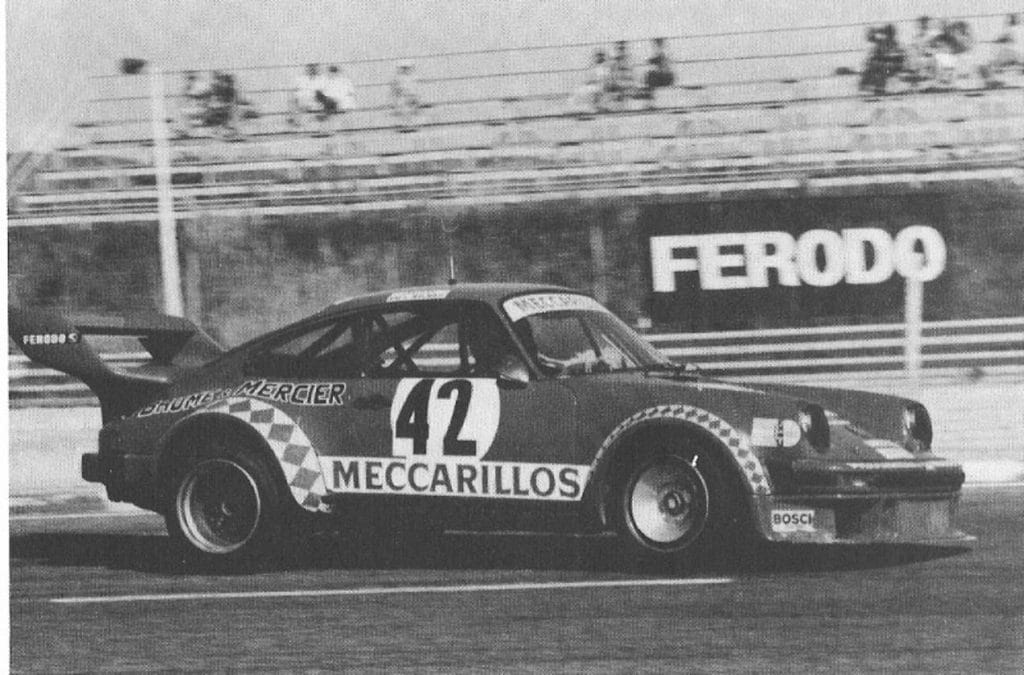
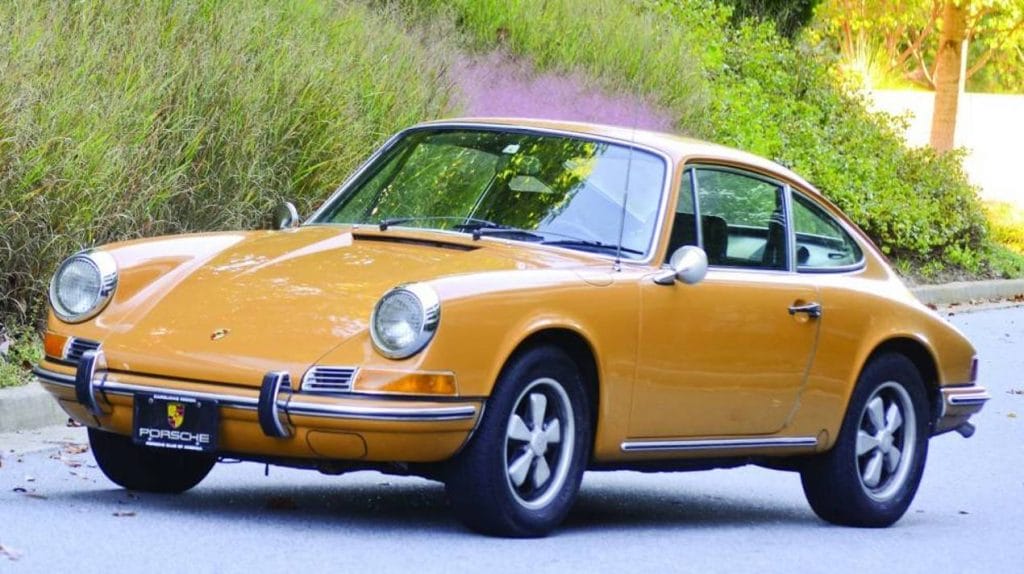
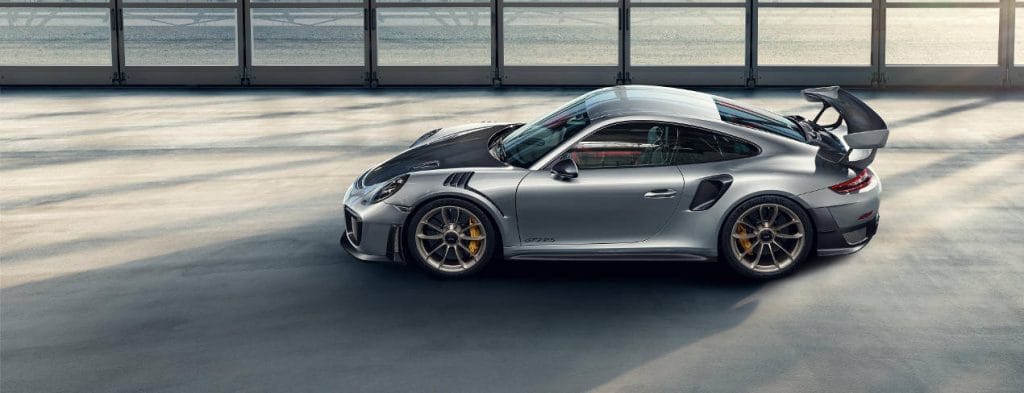
The car that has certainly left its mark on me is the Porsche 911. About 40 years ago, I believe, the very first one I owned was a Porsche 912. In terms of styling, it was the smallest model of all the 911s. Later I had one or two 911s. They are fantastic cars, they run beautifully, they make a terrific sound… it’s a truly brilliant sports car.
Mr Ferrier, how would you define luxury?
Well, luxury could be discreet beauty. Luxury is hard to define. Something that isn’t necessarily worth a fortune can still be a truly luxurious object, I think.
Is there a brand today, in watchmaking or elsewhere, that embodies luxury for you?
Big brands such as Hermès or Vuitton are clearly luxury brands. They can make you a luxury key ring and a luxury watch. But is that really what luxury is? Perhaps not. Luxury can also mean doing what you want to do, and being able to afford it without being immensely rich.
So isn’t it a somewhat variable notion?
Certainly. Luxury could also be sitting in the mountains eating cheese with a great piece of bread and a glass of red wine. That can be part of luxury too.
Mr Ferrier, is there a historical or contemporary figure who has inspired you in life, and who may still inspire you today?
Did my father inspire me? Certainly, because his workshop was in the same building. We lived on the fourth floor and he had his workshop on the first. So he must certainly have inspired me without my realising it. To be honest, I didn’t take apart the watches in his workshop, I was more inclined to build small plastic model cars than to dismantle my father’s watches. But he must certainly have taught me, at the very least, to appreciate that kind of thing.
Mr Ferrier, people often say that in your dealings with others you are very open and very understanding. What qualities do you value in other people?
Honest sharing. I really think that’s essential. If you talk honestly with anyone, it’s always very pleasant. Then of course there are people who are extremely passionate, interesting and pleasant. There are fantastic people, and others who are a little less so, but that’s normal, that’s part of life.
Mr Ferrier, one essential question: what time is it?
Ha ha… 12:05!
Thank you, Mr Ferrier.
Thank you.

Leave a Reply