

The report published on 16 July 2026 by Morgan Stanley, drawing on WatchCharts data, confirms the gradual recovery of the secondary watch market. Prices rose again in the second quarter and the increase now concerns a broad majority of the brands tracked. Behind this improvement, however, lies a two-speed market dominated by Patek Philippe, Rolex and Audemars Piguet, while the bulk of the industry continues to suffer heavy discounts against retail prices.
On this page
- A fourth consecutive quarterly increase
- LVMH leads the listed groups
- TAG Heuer and Breitling regain momentum
- At Rolex, the classic models take over
- Patek Philippe extends its lead
- Value retention reveals a two-speed market
- Price increases are reaching their limits
- Rolex Certified Pre-Owned becomes a market in its own right
- A recovery that does not yet signal a new cycle of euphoria
- A healthier market, but still highly selective
- Frequently asked questions
A fourth consecutive quarterly increase
The secondary watch market is continuing its recovery. In the second quarter of 2026, the global WatchCharts index rose 1.5% compared with the first three months of the year. This is the fourth consecutive quarter posting an increase of more than 1%, after a long period of correction that began in spring 2022.
The recovery is nonetheless slowing. Prices had risen 2.5% in the fourth quarter of 2025, then again 2.5% in the first quarter of 2026. The gain recorded between April and June therefore appears more moderate.

It is, on the other hand, far better distributed. Of the 35 brands studied, 27 saw their prices rise over the quarter, compared with 25 in the previous quarter. Twenty-nine also show a positive change over one year. For the first time since the recovery began, the movement no longer rests solely on a few major names.

This improvement must, however, be qualified. The quarterly increase was almost entirely concentrated in April, during which the WatchCharts index jumped 2.5%, its best monthly performance since March 2022. Prices then fell 1% across the months of May and June.
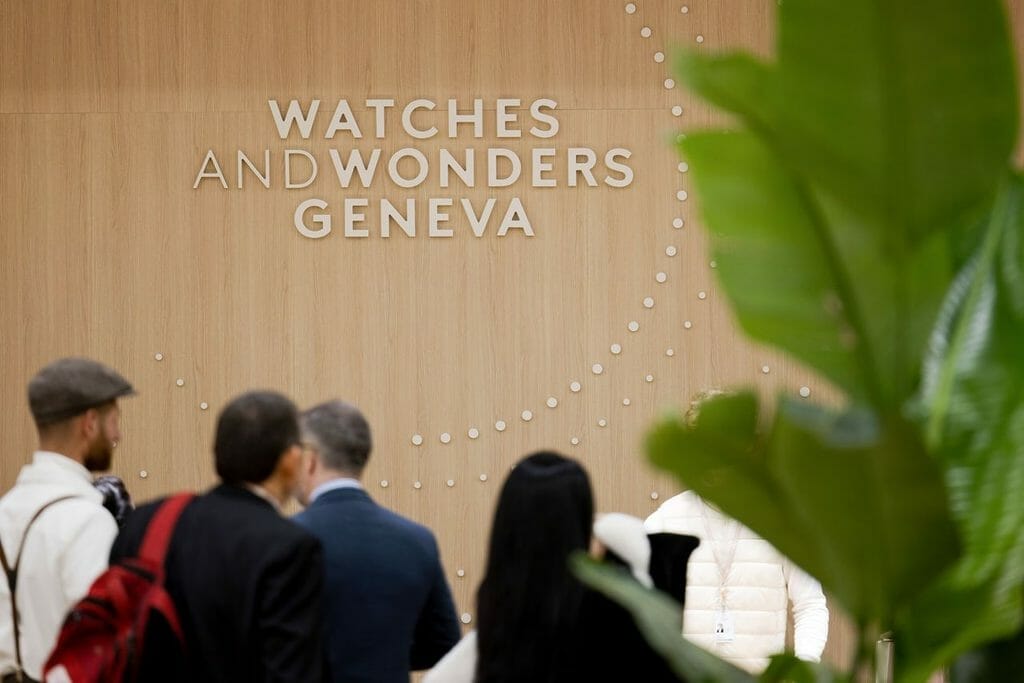
The spectacular renewed interest surrounding Watches and Wonders, held from 14 to 20 April 2026, strongly influenced the market. The anticipation around the new releases, the fiftieth anniversary of the Nautilus and the possible discontinuation of certain Rolex references pushed buyers and professionals to bring forward their transactions. At the same time, sellers multiplied their listings in order to take advantage of this exceptional attention.
LVMH leads the listed groups
The four large watchmaking groups tracked by Morgan Stanley all recorded an increase in their prices on the secondary market.
LVMH comes out on top with a quarterly increase of 1.7%, ahead of Richemont at 1.3%, Rolex SA at 1.1% and Swatch Group at 1%. Over one year, however, Rolex remains the most dynamic group with an increase of 6.9%, ahead of Swatch Group at 5.4%, Richemont at 4.2% and LVMH at 4.1%.
For the first time since the start of 2022, these four groups are all simultaneously in positive territory over twelve months. This signal reflects a genuine improvement in demand, even though the levels still remain far removed from the euphoria seen at the market’s peak.
At LVMH, TAG Heuer is the main driver with an increase of 3.8% in the second quarter, accompanied by Zenith at 2.8%. Hublot slips slightly by 0.3%, but its prices now appear to have stabilised over one year. Richemont benefits mainly from the strength of Cartier, up 2.2%, and from the third consecutive quarter of growth recorded by Vacheron Constantin, at 1.4%. Jaeger-LeCoultre also gains 1.2%.
At Swatch Group, Omega rises 0.9%, Breguet 2.5% and Glashütte Original 1.7%. The Swatch brand even posts the best performance of the quarter among the 35 houses studied, with an increase of 9.4%.
TAG Heuer and Breitling regain momentum
Among the brands positioned below the very tight circle of speculative haute horlogerie, TAG Heuer and Breitling stand out particularly. Both rise 3.8% over the quarter. Over twelve months, TAG Heuer gains 9.9% and Breitling 8.7%.
TAG Heuer’s momentum is concentrated in its motoring universe. The Formula 1 collection rises 5% in the second quarter and 8.7% over one year, while the Monaco gains 2.2% over three months and 8% over twelve months. TAG Heuer’s return as official timekeeper of Formula 1 appears to have strengthened the exposure and desirability of these collections.

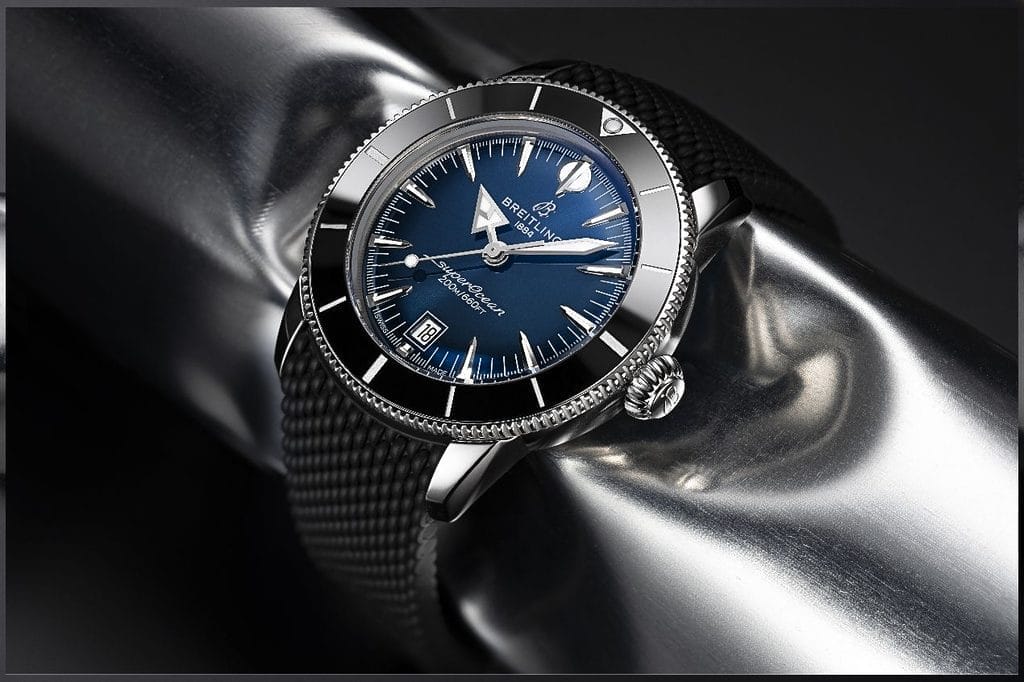
At Breitling, the increase appears more balanced. The Superocean Heritage gains 4.5% and the Chronomat 4.4%. These strong results should not, however, be confused with a strong ability to preserve purchase value. Several Formula 1 models currently in the catalogue still trade at more than 60% below their retail price. Breitling’s Navitimer, Endurance and Chronomat frequently show discounts of between 40 and 50%.
The rise in pre-owned prices is therefore a signal that demand is returning, but not necessarily proof that the prices charged in the primary network are fully accepted by the market.
At Rolex, the classic models take over
Rolex’s gain, limited to 1% in the second quarter, does not rest on the most speculative models.
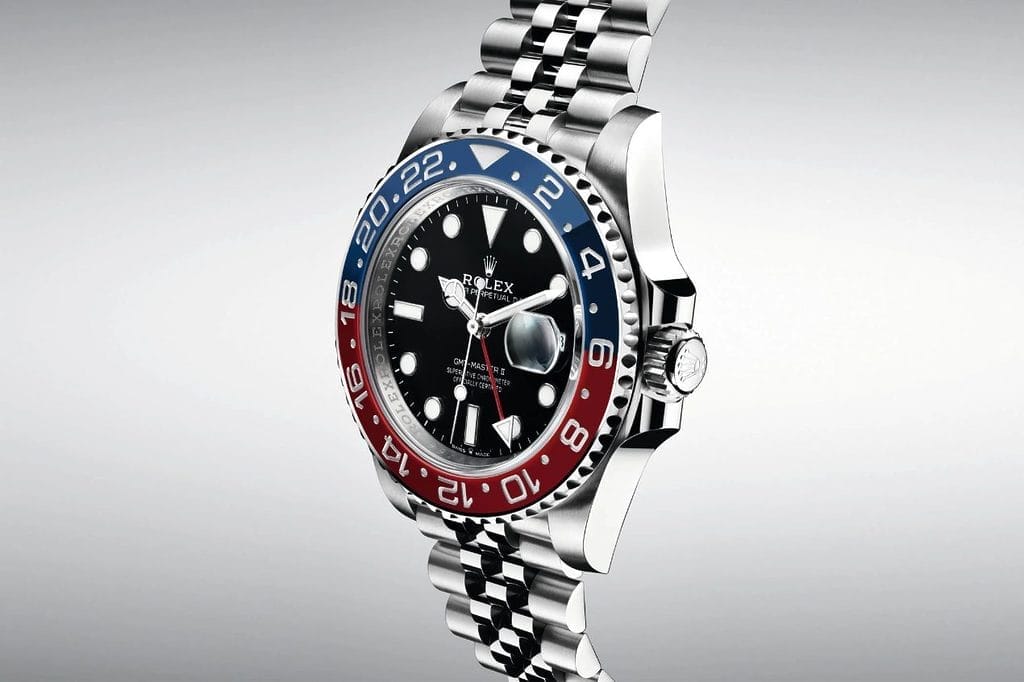
Despite the attention paid to the GMT-Master II “Pepsi”, the GMT-Master collection gained only 0.3%. The 126710BLRO reference even fell 2.3%, as some buyers anticipated its discontinuation ahead of Watches and Wonders.
Rolex’s increase was mainly supported by more classic collections. The Air-King rises 2.1%, the Datejust 1.7% and the Sky-Dweller 1.6%. Conversely, the Sea-Dweller loses 2%. This trend is significant. It shows that Rolex’s recovery no longer depends exclusively on the most sought-after Daytona, Submariner or GMT-Master models. Demand seems to be spreading towards a broader part of the catalogue, notably towards the dressier city models.

Patek Philippe extends its lead
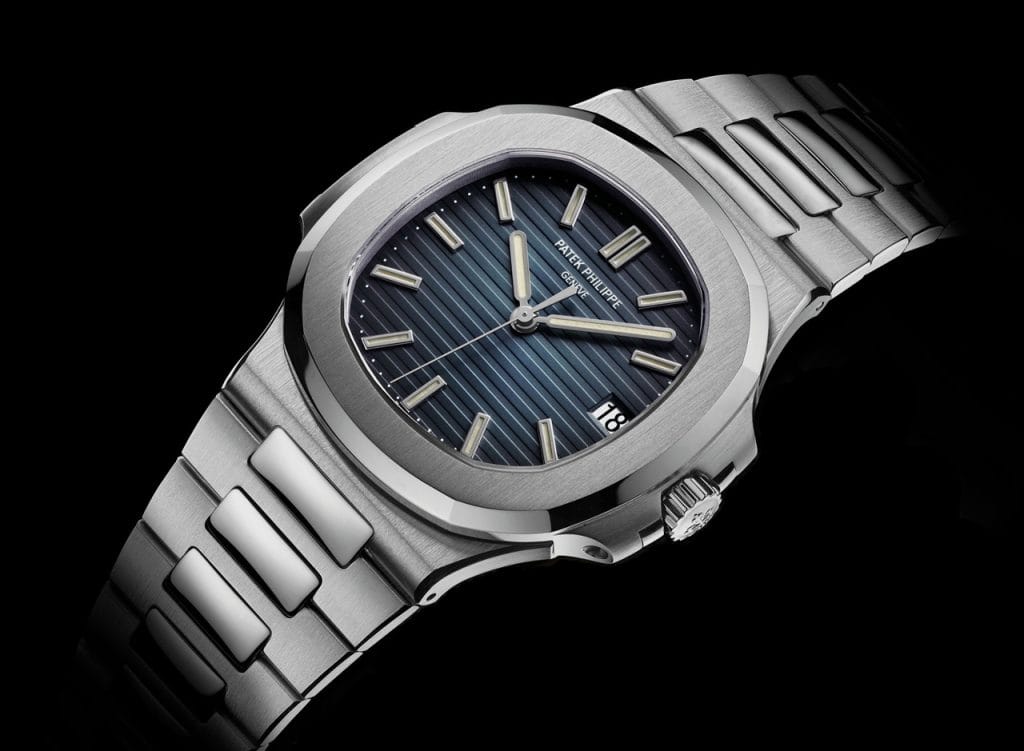
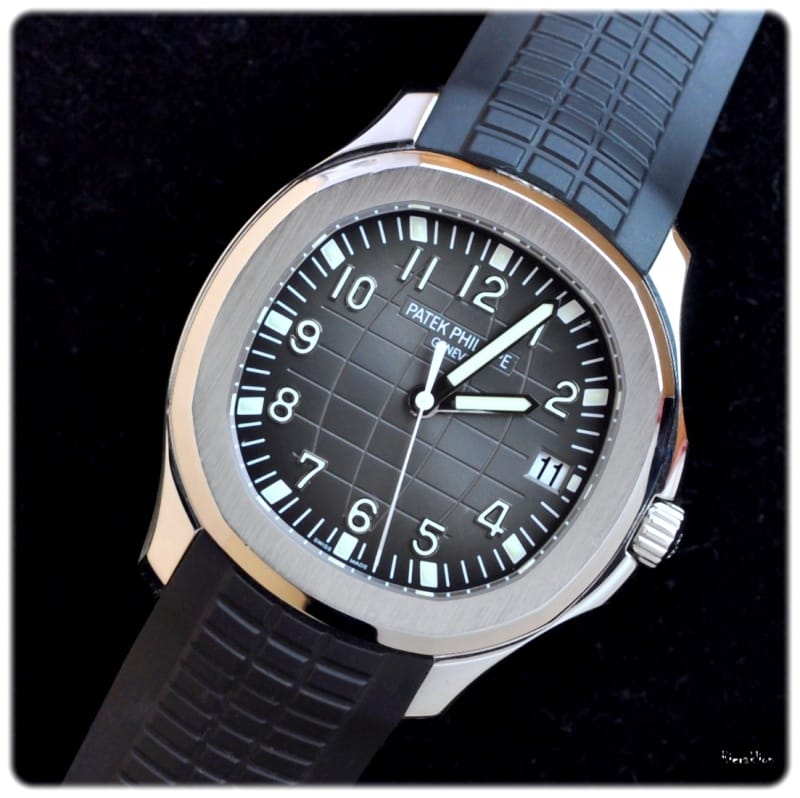
Patek Philippe remains the strongest brand on the secondary market. Its prices rose 2.2% in the second quarter and 18.8% over one year, the best annual performance of the 35 houses studied. The Aquanaut gains 3.6% over the quarter, the Gondolo 2.2% and the Nautilus 1.7%. Looking only at the references still in production used to calculate value retention, the Nautilus even rises 5%.
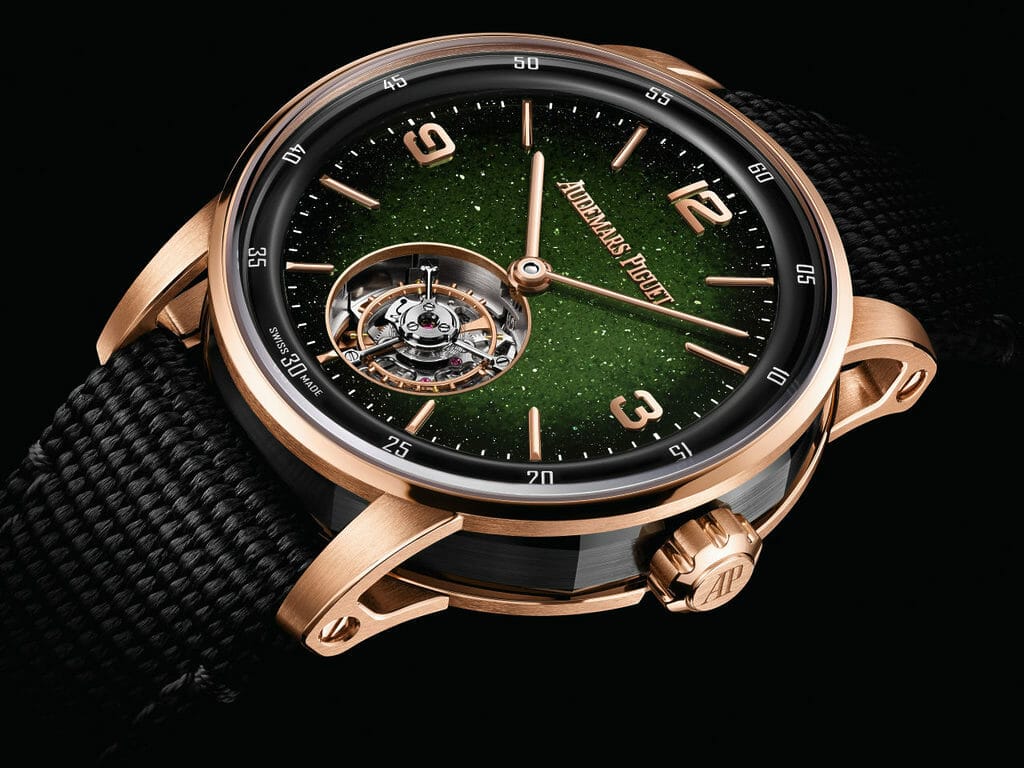
Audemars Piguet, for its part, advances 1.5%. The Royal Oak gains 2%, while the CODE 11.59 falls 0.5% and the Royal Oak Offshore 1.5%. These results illustrate a now structural reality: performance is no longer measured only by brand, but collection by collection. The Royal Oak supports Audemars Piguet, just as the Nautilus and Aquanaut carry Patek Philippe. The other families can move in very different directions.

Value retention reveals a two-speed market
Morgan Stanley places particular importance on “value retention”, that is, the gap between the retail price of a watch still in production and its estimated value on the secondary market. At the end of June 2026, only three brands still show an average value above their retail price:
Patek Philippe trades on average 15.4% above retail, Rolex 9.8% above and Audemars Piguet 3% above.

The gap with the rest of the market is considerable. Cartier, even though it ranks fourth in this ranking, sits 27.4% below its retail price. Omega shows an average discount of 32.3%, Tudor of 35.7%, Vacheron Constantin of 37.2% and IWC of 37.9%.

The per-brand average itself masks wide disparities. At Patek Philippe, the Aquanaut trades on average 90.1% above retail, the Nautilus 74% and the Cubitus 62.7%. At the same time, the Calatrava shows a discount of 34% and the models in the Complications family of 34.5%.
At Audemars Piguet, the Royal Oak retains an average premium of 35.6%, while the Royal Oak Offshore sits 23.1% below retail and the CODE 11.59 at minus 33.3%.
Even at Rolex, only seven collections out of fourteen trade above the catalogue price. The Oyster Perpetual shows a premium of 34.5%, the Daytona of 33.8% and the GMT-Master of 25.4%. At the opposite end, the Sea-Dweller trades 21.4% below its retail price.

Price increases are reaching their limits
Value retention improved on a comparable basis for seven of the eight brands specifically analysed by Morgan Stanley. Cartier is the only exception.
This trend must be viewed alongside the price increases implemented in the official network. In the second quarter, Cartier raised its prices by an average of 5.4% across the five markets studied. Vacheron Constantin increased them by 2.7%, Rolex by 2.6% and Tudor by 2.4%. Patek Philippe shows an average global increase of 1.6%, essentially driven by a 7.8% rise in Japan.

Cartier’s pre-owned prices did rise, but more slowly than its retail prices. Its value retention therefore deteriorated slightly on a comparable basis.
The message to the brands is clear: the positive momentum of the secondary market does not yet give them complete freedom on pricing. Apart from Patek Philippe, Rolex and Audemars Piguet, the discounts remain large enough to limit the ability to multiply price increases without undermining demand.
Rolex Certified Pre-Owned becomes a market in its own right
The Rolex Certified Pre-Owned programme is one of the most spectacular takeaways of the report.

Morgan Stanley estimates its sales at 186 million dollars in the second quarter of 2026, up 28% on the previous quarter and 67% over one year. In the first half alone, the programme is estimated to have generated 330 million dollars, already around two thirds of its estimated activity for the whole of 2025.
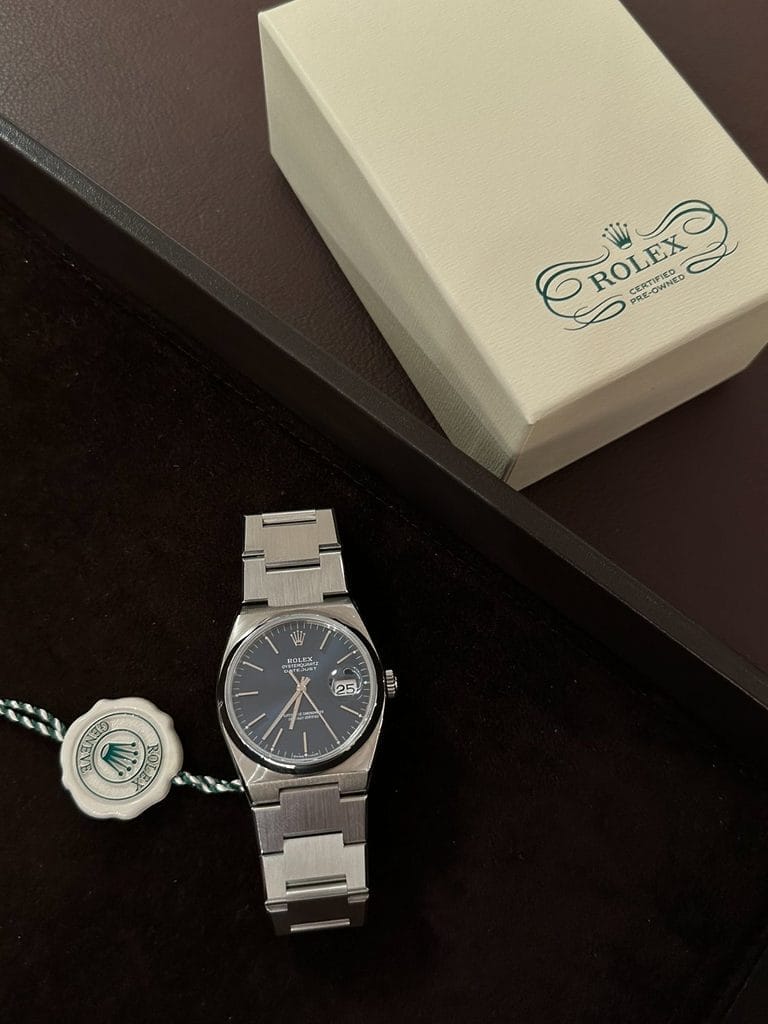
At the start of July, around 11,300 certified Rolex watches were offered by 157 retailers, for a total value estimated at 285 million dollars. For the first time since the programme’s launch, the number of watches available fell from one quarter to the next. Growth no longer comes primarily from the opening of new points of sale. Median sales per retailer rose from 578,000 dollars in the first half of 2025 to 899,000 dollars in the first half of 2026.
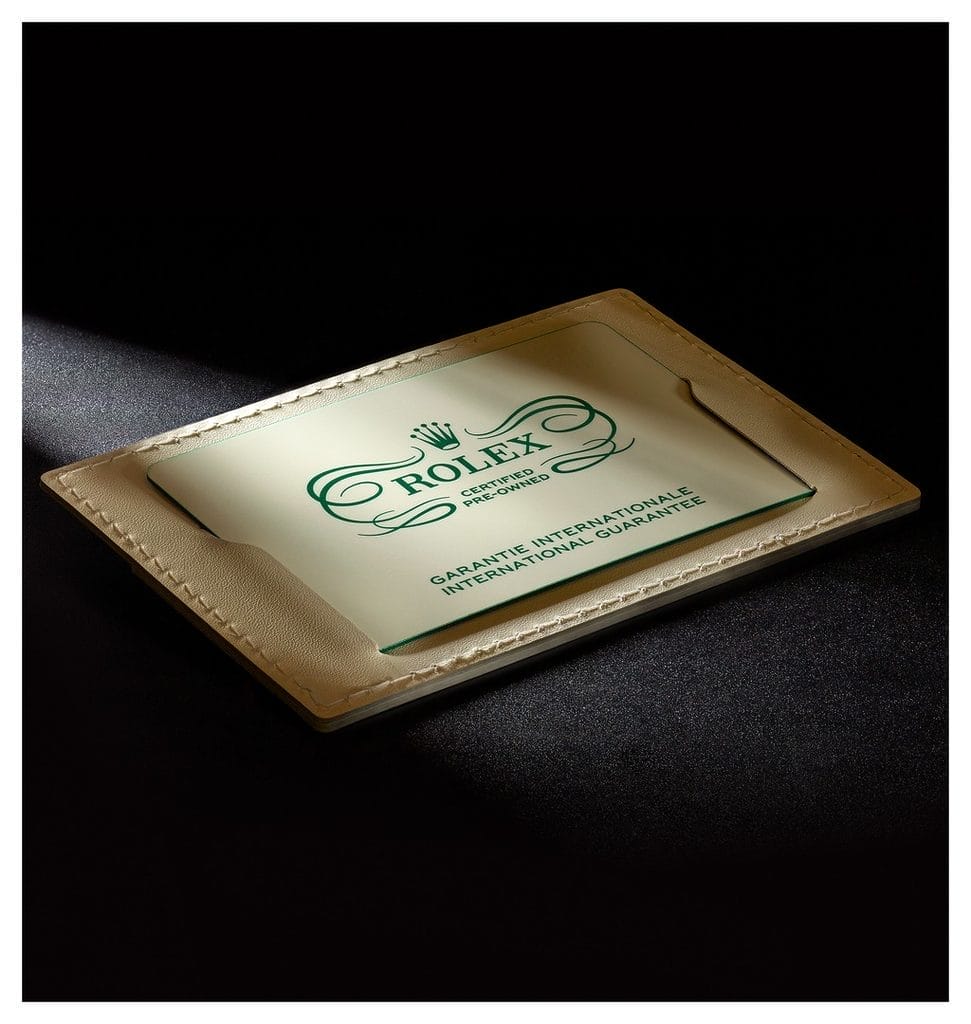
Buyers also accept paying a median premium of 22.6% compared with a comparable watch offered by a traditional secondary-market dealer. This difference pays for the Rolex certification, the warranty, the traceability and the trust attached to the official network. It shows that, on the pre-owned market, securing the transaction can now represent a value almost as important as the product itself.
A recovery that does not yet signal a new cycle of euphoria
The results published by Richemont on the eve of the report support some of its conclusions. In the quarter ended 30 June 2026, the group recorded growth of 20% at constant exchange rates. Sales at the Jewellery Maisons, which include Cartier’s watchmaking operations, rose 24%, while the Specialist Watchmakers gained 8%. Richemont notably cites Vacheron Constantin, Jaeger-LeCoultre and A. Lange & Söhne among the most dynamic houses.
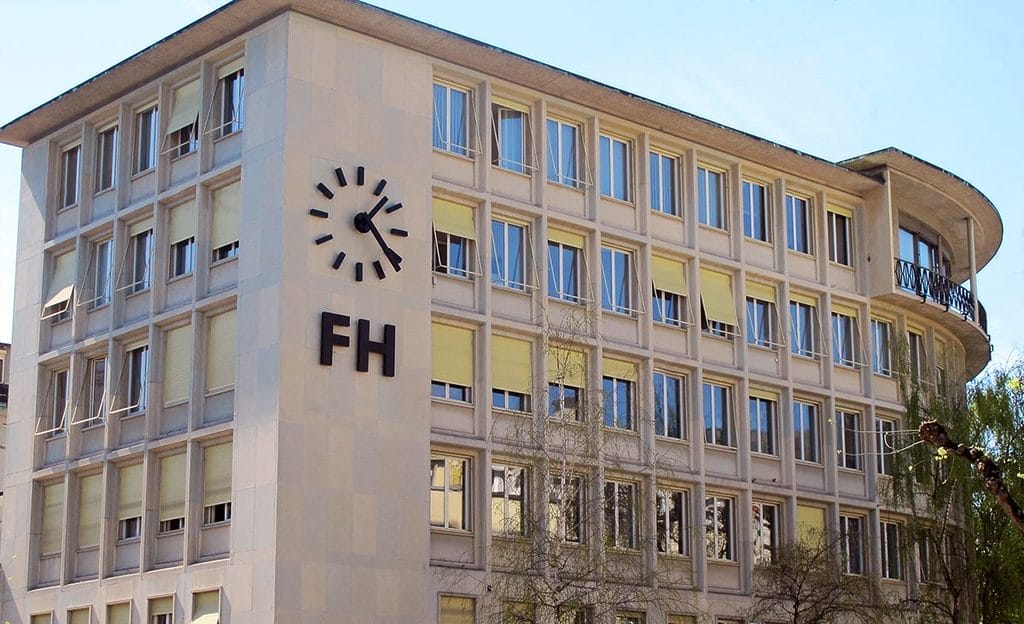
The situation of the industry as a whole nonetheless remains more measured. The latest available statistics from the Fédération de l’industrie horlogère suisse reported exports that were practically stable in May 2026, at plus 0.4%, for a value of 2.1 billion francs. The June figures are not due to be published until 21 July. The FH also points out that exports do not necessarily correspond to sales made to end customers and do not allow each group to be assessed individually.
The rebound of the secondary market should therefore not be interpreted as the return of uniform growth across Swiss watchmaking.
A healthier market, but still highly selective
The Morgan Stanley report ultimately describes a market on the way to normalisation rather than a new speculative cycle.
Prices have been rising for four quarters, more brands are taking part in the recovery and the watches sold are generally finding buyers more quickly. But available stock remains close to record levels, notably at Rolex, and will still have to be absorbed over the coming months.

The exceptional acceleration in April, followed by a decline in May and June, also calls for caution. Part of the recent gain comes from one-off phenomena linked to the Watches and Wonders announcements.
The main conclusion remains the extreme polarisation of the market. Patek Philippe, Rolex and Audemars Piguet retain a unique ability to create scarcity and to keep certain collections above retail. Cartier, Omega, Tudor and IWC are seeing their pre-owned market recover, but remain faced with high discounts.

The secondary market is doing better. It is becoming more liquid, broader and probably more organic. It remains no less demanding: a brand’s reputation is no longer enough. Desirability is now built reference by reference, while collectors weigh up with greater discernment between retail price, availability, the model’s history and real value on the market.

Main source: Morgan Stanley report and WatchCharts, “Swiss Watches: Secondary Market Keeps Ticking Higher in 2Q26”, published on 16 July 2026.
Frequently asked questions
The recovery of the secondary market continues: the WatchCharts global index rose 1.5% in the second quarter, a fourth consecutive quarter up more than 1%, with 27 of the 35 brands tracked gaining. But it remains a two-speed market dominated by Patek Philippe, Rolex and Audemars Piguet, while most of the industry still trades at heavy discounts to retail.
Only three trade above retail on average at the end of June 2026: Patek Philippe at +15.4%, Rolex at +9.8% and Audemars Piguet at +3%. The rest discount heavily, for example Cartier at -27.4%, Omega at -32.3%, Tudor at -35.7%, Vacheron Constantin at -37.2% and IWC at -37.9%.
Patek Philippe posted the strongest annual performance of the 35 brands studied, up 18.8% year-on-year, while the Swatch brand recorded the best single quarter at +9.4%.
Morgan Stanley estimates its sales at 186 million dollars in Q2 2026, up 28% quarter-on-quarter and 67% year-on-year, and around 330 million dollars in the first half. Buyers accept a median premium of 22.6% over a comparable watch from a traditional secondary-market dealer, paying for Rolex certification, warranty and traceability.
No. The report describes a market that is normalising rather than entering a new bubble. Available stock remains near record levels, especially at Rolex, April’s spike around Watches and Wonders partly reversed in May and June, and desirability is now built reference by reference rather than by brand name alone.

Leave a Reply